Zoomion Gravity 150-1400 EQ Telescope Review & Test
Published on 15 July 2026 · By OptiqueNature
Review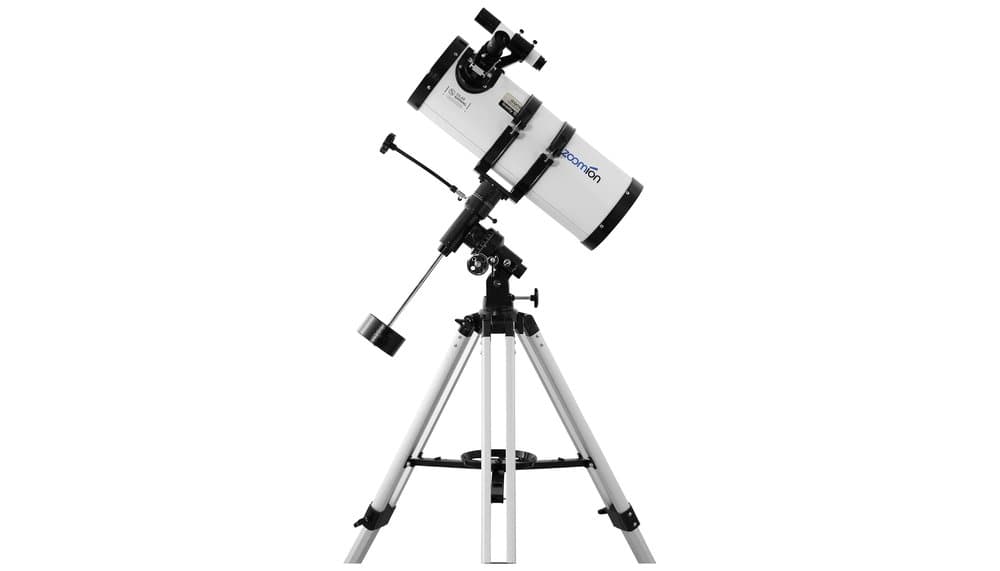
Introduction
The Zoomion Gravity 150-1400 EQ Telescope Astronomical Reflector presents itself as an ambitious entry-level offering for budding astronomy enthusiasts. With its 150mm diameter mirror and a complete equatorial mount, it promises performance beyond traditional small beginner refractors. In this in-depth analysis, we will dissect what it actually offers in terms of optical quality, robustness, and user experience, cross-referencing its technical specifications with concrete feedback from the community and expert opinions. The goal is to determine whether this Newtonian telescope is a reliable stepping stone to the stars or too much of a compromise.
Strengths
- A generous aperture for the price: A 150mm primary mirror is a major asset. On paper, it collects significantly more light than a 70 or 90mm refractor, which should translate to brighter images and an increased ability to observe deep-sky objects (nebulae, galaxies) in addition to planets.
- A complete accessory kit from purchase: The telescope comes with several eyepieces, a Barlow lens (to double magnifications), a lunar filter, and a finder. This allows for experimenting with different observation configurations immediately, without initial additional investment.
- The presence of an equatorial mount (EQ): Unlike many beginner kits that offer a simple alt-azimuth mount, the included equatorial mount allows, once properly aligned on the North Star, for manually tracking celestial objects by turning only one axis. It's a pedagogical tool for understanding the basics of astronomical tracking.
Weaknesses
- Random quality control and finish: This is the most recurring black point according to user feedback. Several accounts report loose screws, paint or plastic debris inside the optical tube upon receipt, and sometimes even machining defects on the axes. This often requires a thorough check and tightening before first use.
- Notoriously insufficient instructions: The manual, often described as unclear, too brief, or only in a foreign language, is a major handicap for a product aimed at beginners. Many buyers indicate having had to turn to online tutorials for assembly and adjustment.
- Room for improvement in stability and mechanics: Although the tripod is deemed acceptable by some, other users highlight difficulties in achieving optimal stability, especially with the included accessories that push magnification. Manual focusing, via the "rotary hand wheel," is sometimes described as imprecise or sensitive to vibrations.
- Unsuitable for terrestrial observation (nature): As a Newtonian telescope, the image is inverted. Unlike a refractor or Schmidt-Cassegrain, it is not designed to be easily converted for upright terrestrial viewing. Its use for wildlife or landscape observation is therefore very cumbersome, if not impossible, which limits its versatility for our readership dedicated to nature observation.
Detailed Analysis by Criterion
Optical Quality and Performance
On paper, the optical specifications of the Zoomion Gravity are solid for its segment. The focal ratio of f/9.3 (1400mm / 150mm) indicates a relatively "slow" configuration, which is more forgiving with entry-level eyepieces and favors good correction of aberrations, ideal for planetary and lunar observation.
- Light transmission and exit pupil: As a Newtonian reflector, it does not use ED glass, phase coatings, or dielectric prisms like in high-end binoculars. Transmission depends mainly on the quality of the aluminized coating of the primary and secondary mirrors. The large aperture provides a generous exit pupil at low magnification, maximizing perceived brightness. For example, with a 25mm eyepiece, the exit pupil is about 3.4mm (150/44), which is comfortable.
- Field of view: The actual field depends on the supplied eyepieces. As the specifications do not detail the exact models, they are estimated to be standard Plössl or Kellner types. The apparent field will therefore be rather restricted (around 50°). Compared to compact Maksutov-type telescopes of the same focal length, the field will be similar. In contrast, compared to a Newtonian with a shorter focal length (f/5 for example), the field will be much narrower.
- Useful magnification: Theory places the limit at about 2 times the diameter in mm, or 300x for this 150mm. However, according to feedback, this limit is rarely reached satisfactorily due to atmospheric turbulence and the stability limits of the mount. Users report the best results on the Moon and Jupiter at more moderate magnifications (150x-200x).
Construction and Ergonomics
- Sealing and Robustness: No information on any waterproof or fogproof rating. The tube is made of painted steel or aluminum, with basic mechanical components. User feedback confirms an "out-of-the-factory" construction with little finish. The total weight (about 15 kg) does not make it a particularly light or compact instrument, despite marketing claims. Transport requires disassembly.
- Minimum focusing distance: Not specified and not relevant for an instrument designed for infinity. In practice, it will not allow focusing on close objects, making it unusable for observing wildlife at close range.
- Eye relief: The standard supplied eyepieces typically offer short eye relief, especially at high magnifications (the 6.5mm eyepiece mentioned by one user). This can be uncomfortable for eyeglass wearers, who will likely have to remove them to observe. This is not an instrument optimized for visual ergonomics.
Value for Money and Comparisons
The Zoomion Gravity 150-1400 EQ occupies a very low price niche for such an aperture. This is both its strength and its weakness.
- In the budget segment: It visually outclasses small 60-70mm refractors by its light-gathering capability. It offers more raw "power" for the same price or less.
- Versus the mid-range: This is where the comparison becomes harsh. For a slightly higher investment, established brands like Sky-Watcher or Celestron offer 150/750 Newtonians on an EQ mount with much better quality control, mirrors with better coatings, and clear manuals. One disappointed user even returned it for a Celestron 130mm, noting a "night and day" difference. Mechanics, stability, and reliability are the main points of divergence.
- For astrophotography: The manual equatorial mount is completely unsuitable for deep-sky photography. For very basic planetary captures (with a planetary camera at prime focus), the 150mm mirror has potential, but the lack of motorized tracking and the approximate mechanics will be major hindrances.
Typical Use Cases
- Beginner astronomical observation: This is its stated purpose. It allows for discovering the Moon with a lot of detail, Saturn's rings, Jupiter's bands and its main moons, as well as some bright deep-sky objects like the Orion Nebula. Reviews confirm this capability.
- Hiking and mobility: Its weight and relative fragility make it poorly suited for frequent outings to remote sites. It is more of a garden instrument.
- Wildlife observation (Birdwatching) & Digiscoping: Clearly unsuitable. The inverted image, bulkiness, lack of close focus, and inability to use a right-angle adapter make it a poor choice. It does not meet the needs of this field.
- Astronomical photography (lunar digiscoping): Possible for basic photos of the Moon with a smartphone held by hand in front of the eyepiece. Nothing more advanced is realistic with the supplied equipment.
Technical Specifications
| Feature | Detail |
|---|---|
| Type | Newtonian Reflector |
| Objective Diameter (Aperture) | 150 mm |
| Focal Length | 1400 mm |
| Focal Ratio (F/D) | f/9.3 |
| Mount | Manual Equatorial (EQ) |
| Tripod | Steel, height adjustable |
| Finder | Red dot finder (reflex) |
| Supplied Eyepieces | Not specified (often 25mm, 10mm, 6.5mm) |
| Included Accessories | 2x Barlow Lens, Lunar Filter |
| Total Weight (approx.) | ~15.4 kg |
| Manufacturer Warranty | 2 years (according to the spec sheet) |
What Users Say: A Summary of Reviews
The overall rating of 4.1/5 stars masks very contrasting experiences which we can summarize into clear trends.
Recurring positive points:
- Satisfied users praise its excellent value for money for the offered aperture.
- Many confirm that performance on the Moon and Jupiter is very decent, even impressive for beginners.
- The completeness of the kit is appreciated, allowing one to start without another purchase.
- Once assembled and adjusted, it "gets the job done" for an introduction to astronomy.
Recurring negative points:
- The failing quality control is the number one problem. Multiple reviews report screws to tighten, debris in the optical tube, and even damaged axes or parts upon delivery. One user had to completely clean the optics of the finder and the telescope.
- The manual is unanimously criticized for its lack of clarity, absence, or poor quality in French. Many had to rely on YouTube.
- The learning curve is steep for a true beginner alone. Several reviews (notably the 1 or 2 star ratings) testify to difficulties in adjusting and using it, leading to frustration.
- Stability and movement precision are often judged mediocre, especially at high magnifications.
Conclusion
The Zoomion Gravity 150-1400 EQ Telescope Astronomical Reflector is a double-edged product. It offers, on paper and under the best conditions, a very powerful entry point into visual astronomy thanks to its 150mm mirror and complete kit. For a motivated observer, a part-time tinkerer capable of compensating for factory defects through thorough checking, it can represent a bargain.
However, the analysis of user feedback reveals a less idyllic reality. Its main flaw is not optical, but industrial and pedagogical. The lack of reliability upon delivery and deficient instructions make it a risky choice for a complete beginner, who is not equipped or patient. It requires an investment of time and adjustments that is not advertised.
Our verdict: This telescope may suit a hands-on enthusiast looking for a large aperture at a minimal budget and who accepts playing the quality control lottery. For an absolute beginner seeking a smoother and more educational experience, it is generally wiser to direct their choice towards reputable brands in the entry-level segment, even with a slightly smaller aperture. The reliability and ease of use will often be worth the initial additional investment.
100% free and independent — All our articles are written independently, without any sponsorship. We may earn a commission on purchases made through our links, at no extra cost to you.
Articles you might like
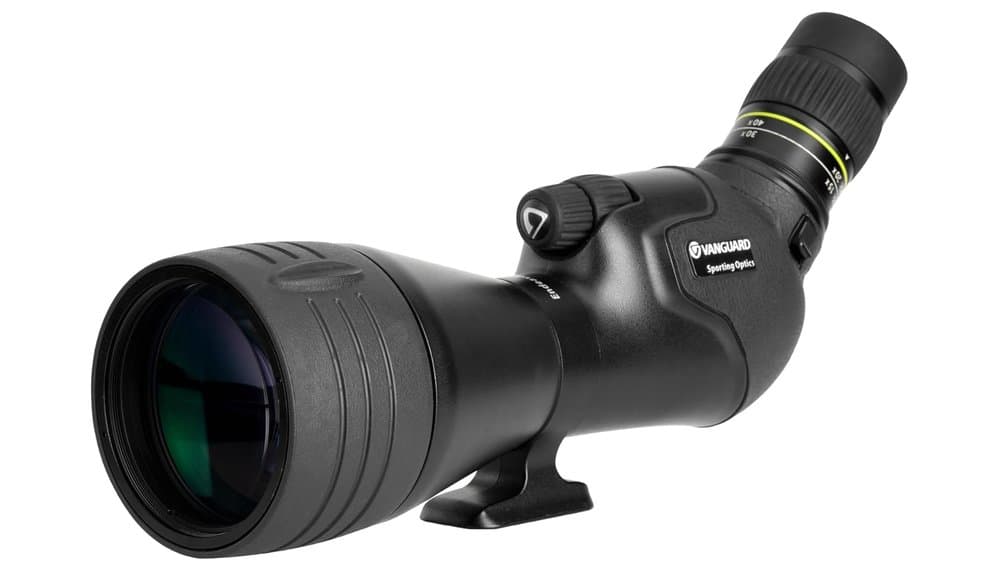
Vanguard Endeavor HD65A Spotting Scope Review
Spotting scope with 65mm ED glass & 15-45x zoom for birding & hiking. Balanced performance & portability for serious nature observers.
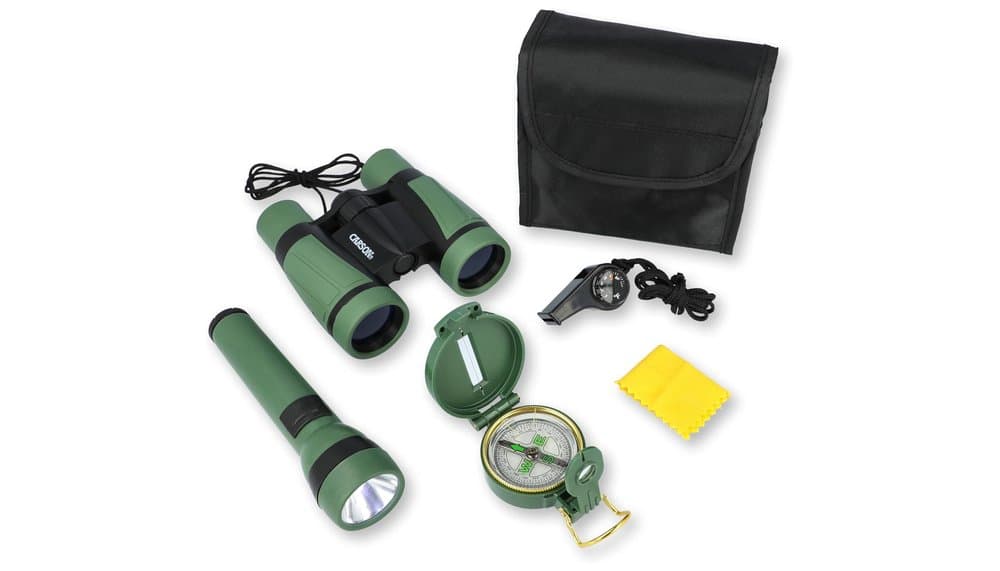
Carson AdventurePak Kids' Exploration Tool Kit Review
Explore nature with this kid's 5-piece tool kit for outdoor adventure and educational discovery. Perfect for young explorers.
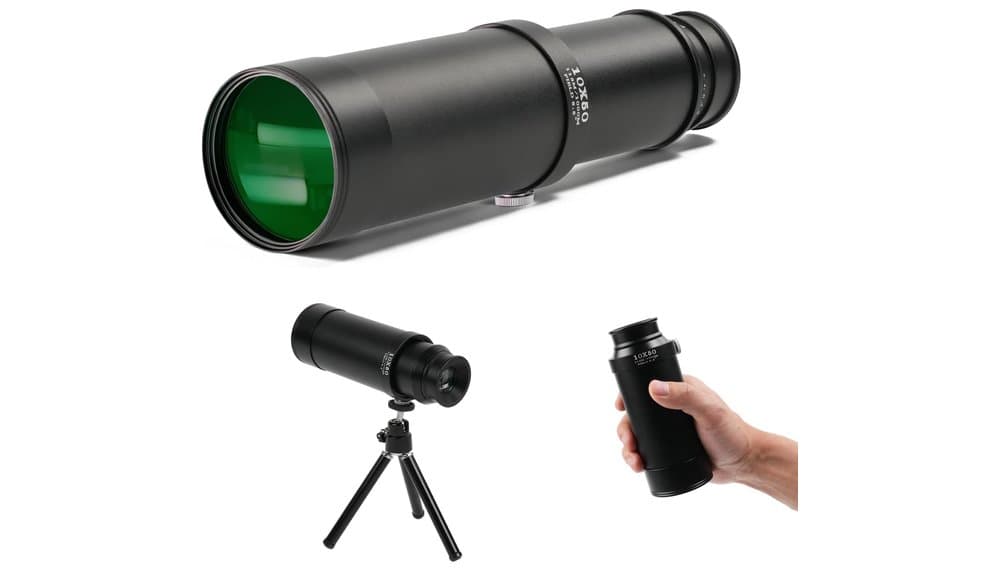
BOSTRON CY 10x50 Monocular Review & Test
Compact 10x50 monocular review: Analyzes optical clarity, field of view & build quality for hiking, nature & astronomy. See its true value.
Guides you might like
WiFi Trail Camera Guide
See wildlife discreetly from your couch! Learn how WiFi trail cameras let you monitor animals without disturbance and how to choose the right one.

Ultimate Travel Telescope Guide
Choose a portable, high-performance travel telescope to explore the universe from your backpack without compromising on essential astronomical views.
Ultimate Guide to Night Vision Binoculars
Choose the perfect night vision binoculars: Gen vs. digital? Unravel the tech to make your nighttime wildlife adventures a total success. Guide inside.