BOSTRON CY 10x50 Monocular Review & Test
Published on 18 October 2026 · By OptiqueNature
Review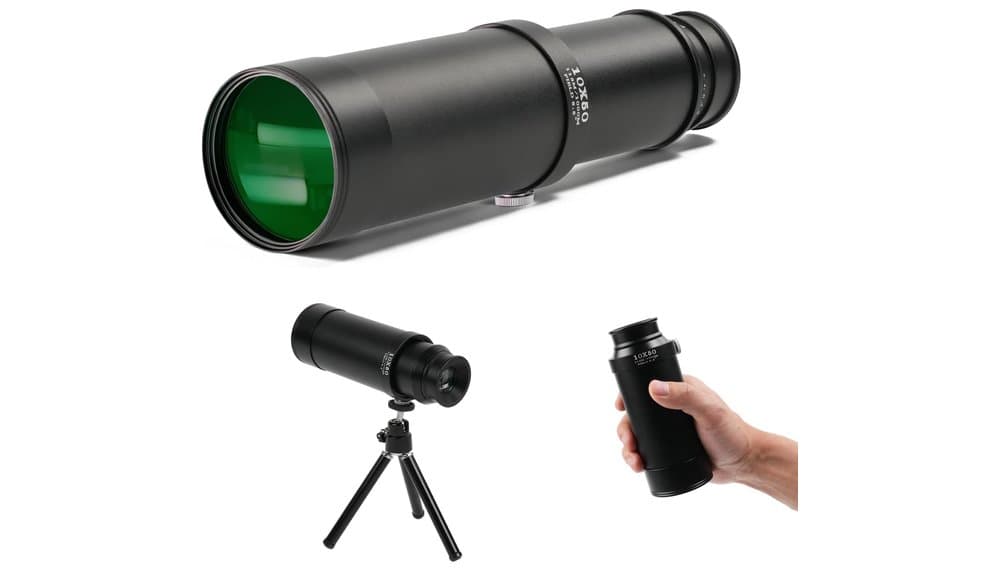
Introduction
In the vast world of field optics, the monocular stands out as an ideal compromise between compactness, power, and simplicity. The BOSTRON CY 10x50 Monocular Telescope clearly targets this niche, offering a generous optical configuration (10x50) in a format designed to be portable and versatile. It presents itself as a complete tool for nature observation, hiking, or even light astronomy. But beyond the marketing promises, what is this instrument really worth? Through a rigorous analysis of its technical specifications, community feedback, and optical principles, we will determine its place in the landscape of observation instruments.
Strengths and Weaknesses
Before diving into the details, here is a synthetic overview of the strengths and limitations of the BOSTRON CY 10x50, as they emerge from the analysis of available data.
Strengths
- Generous optical configuration: A 50mm objective lens and 10x magnification offer a 5mm exit pupil and a good twilight factor, promising brightness.
- Perceived build quality: Users highlight a robust metal alloy body and a pleasant matte finish to the touch.
- Complete accessories: The inclusion of a smartphone adapter (digiscoping), a tripod, a strap, and a carrying case adds real versatility.
- Value for money: For its segment, the combination of specifications, finish, and accessories seems to offer a good return on investment.
Weaknesses
- Non-intuitive telescoping mechanism: Several testers were confused by the need to fully extend the eyepiece for correct focusing, information that is not clear enough.
- Basic quality of included tripod: The included accessory is consistently described as light and unstable, unsuitable for serious use, particularly in astronomy.
- Incomplete optical information: The lack of numerical data on the angular field of view and precise coatings (dielectric, phase) prevents a fine comparison with the competition.
- Uncertain glasses compatibility: Despite a large 23mm eyepiece, the actual eye relief is not specified, leaving a doubt for glasses wearers.
Detailed Analysis of the BOSTRON CY 10x50
The Optical Promise: Performance on Paper and in Practice
The 10x50 combination is a classic for a good reason. On paper, it generates a 5mm exit pupil (50mm / 10x), which is excellent for capturing a lot of light. This translates into a twilight factor of 22.4 (√(10x50)), indicating good potential for observation in low light, such as at dusk. User feedback goes in this direction: one tester favorably compared its low-light performance against smaller models.
The optics announce a K9 prism and FMC (Full Multi-Coated) green coatings. K9 is a standard quality borosilicate optical glass, suitable for this range. FMC is an asset if properly applied to all air-to-glass interfaces, as it maximizes light transmission and reduces stray reflections. Users confirm an overall clear, contrasted image with minimal chromatic aberration under normal observation conditions. However, it is important to note that no mention is made of dielectric coatings on the prisms (for more natural colors and maximum contrast) or phase correction (crucial for sharpness in roof prism binoculars, less so here with a monocular likely using a Porro prism), which positions it below high-end models.
The major shadow point is the total lack of information on the field of view. Is it wide (Wide Angle) as the marketing title suggests? Without a figure in degrees or meters at 1000m, it is impossible to compare it objectively to the competition. This is a significant omission for bird watchers or for tracking moving subjects.
Construction, Sealing, and Ergonomics
This is the point where opinions converge most positively. The body is described as being made of metal alloy (magnesium or aluminum). This gives it a feeling of solidity and premium quality, although it contributes to a weight of about 500g (with packaging) or 350g for the instrument alone according to one tester. The matte and non-slip finish is appreciated for a good grip.
The specifications mention sealing via O-rings, but without indicating a standard (IPX7, waterproof). Users have not tested this claim under extreme conditions. It suggests resistance to splashes and light rain rather than immersion, which is consistent for the segment.
Ergonomics are marked by a confusing particularity: the telescoping mechanism. To reach its working length and be able to focus, the eyepiece must be pulled out a good length. This detail, not explicitly indicated, caused difficulties for several users who thought the device was defective. Once understood, the focusing wheel on the eyepiece is described as functional.
The minimum focusing distance is not given. For versatile naturalist use, this is important data for observing insects or flowers.
Versatility and Accessories: An Almost Complete Kit
The BOSTRON stands out for the richness of its package. The inclusion of a universal smartphone adapter directly opens the door to digiscoping – capturing images or videos through the eyepiece. This is a major asset for sharing observations or for naturalists wishing to document their finds.
The presence of a standard tripod screw (1/4") is also crucial for stabilizing the monocular, especially at 10x. However, and this is a consensus among testers, the included tripod is of very basic quality: light, unstable, deemed unsuitable for serious use. They all recommend using a robust photo tripod if needed. The other accessories (strap, cleaning cloth, soft case) are appreciated.
Typical Use Cases
- Bird and wildlife observation: The 10x50 is suitable, offering detail. The lack of data on field of view and eye relief remains a caveat for tracking birds in flight and for glasses wearers.
- Hiking and travel: Its compact format when retracted (approx. 14.5 cm) and reasonable weight make it a portable companion. The perceived robustness is a plus.
- Light astronomy: The 50mm objective allows observing the Moon in detail and the brightest planets (Jupiter, Saturn). As one user notes, this absolutely requires a solid tripod, the provided one being useless.
- Digiscoping: Thanks to the included smartphone adapter, this is an immediately usable feature, significantly increasing its interest.
Recap of Technical Specifications
| Characteristic | BOSTRON CY 10x50 Specification |
|---|---|
| Magnification | 10x |
| Objective Lens Diameter | 50 mm |
| Exit Pupil | 5 mm |
| Twilight Factor | ~22.4 |
| Prism | K9 |
| Optical Coatings | FMC (Full Multi-Coated) Green |
| Eyepiece Diameter | 23 mm |
| Construction | Metal alloy, matte finish |
| Sealing | O-ring seals (no specified standard) |
| Tripod Compatibility | Standard 1/4" screw |
| Included Accessories | Monocular, lens caps, smartphone adapter, basic tripod, strap, case, cloth |
| Weight (approx.) | 350 g (instrument only) / 500 g (with packaging) |
| Dimensions (retracted) | ~145 mm long |
What Users and Testers Say
The synthesis of available customer reviews (mainly German) paints a very consistent and generally positive picture of the product, while pointing out precise flaws.
Recurrent praise focuses on:
- Image quality: Users describe it as clear, bright, and with good contrast, even in low-light conditions. One tester specifically noted its superiority in twilight light compared to other models.
- Feel in hand: The robust metal construction and finish are consistently praised, giving an impression of quality superior to the price paid.
- Bundle value: The inclusion of the smartphone adapter and tripod (despite its quality) is perceived as a very good point, adding versatility and content to the package.
Frequent criticisms and remarks concern:
- The telescoping mechanism: This is the major point of confusion. Several testers had to discover for themselves that the eyepiece needed to be pulled to extend the tube before being able to focus. This lack of clarity in the instructions is a notable ergonomic flaw.
- The poor quality of the included tripod: It is unanimously described as too light, unstable, and unsuitable for serious use. Users advise using a photo tripod if stability is needed.
- A slight lack of information: Some would have appreciated clarifications on the mechanism's operation and on complete optical specifications.
Conclusion: Who is this monocular for?
The BOSTRON CY 10x50 Monocular Telescope is a product that effectively rides a winning formula: solid optical specifications (10x50), a construction perceived as high-end, and a very complete accessory box that includes the digiscoping tool. According to feedback, it largely delivers on its promises by offering a clear and bright image for activities like hiking, general wildlife observation, or outdoor events.
However, its audience must be aware of its limits. The non-intuitive telescoping mechanism requires an adaptation period. The provided tripod should be considered a symbolic bonus rather than a functional tool. Finally, the absence of precise data on the field of view and the level of sealing places it behind models from established optical brands, which communicate these key figures.
Our analysis concludes that the BOSTRON CY 10x50 constitutes an excellent entry point or a compact alternative for the occasional observer or traveler who values a ready-to-use kit and a good feel in hand. For the demanding ornithologist requiring a guaranteed wide field and perfect ergonomics with glasses, or for the amateur astronomer who will need to invest in a solid tripod, it is advisable to compare with models providing exhaustive technical specifications. It represents an intelligent compromise where the strengths (optics, construction, accessories) largely eclipse its flaws, which are more related to communication and peripheral accessories than to a fundamental optical failure.
100% free and independent — All our articles are written independently, without any sponsorship. We may earn a commission on purchases made through our links, at no extra cost to you.
Articles you might like
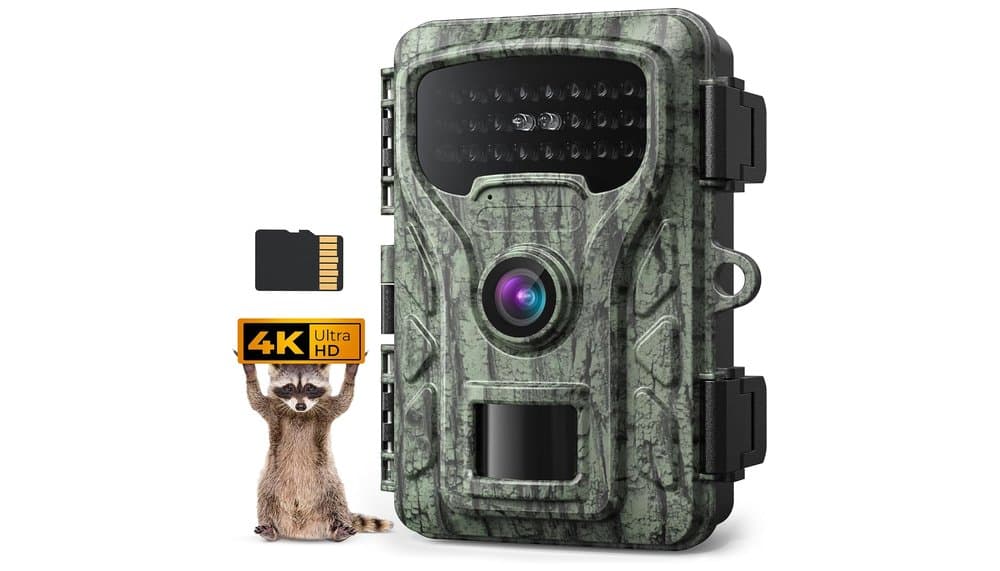
Caytail 4K 48MP Hunting Camera Review & Test
In-depth review of the Caytail 4K 48MP trail camera with included SD card. We analyze specs and real user feedback on its true field performance.
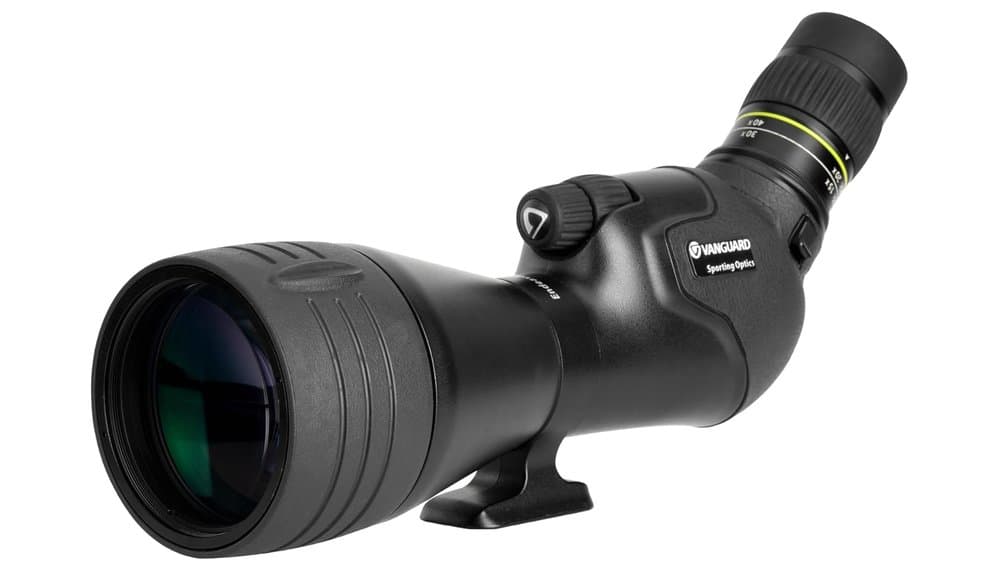
Vanguard Endeavor HD65A Spotting Scope Review
Spotting scope with 65mm ED glass & 15-45x zoom for birding & hiking. Balanced performance & portability for serious nature observers.
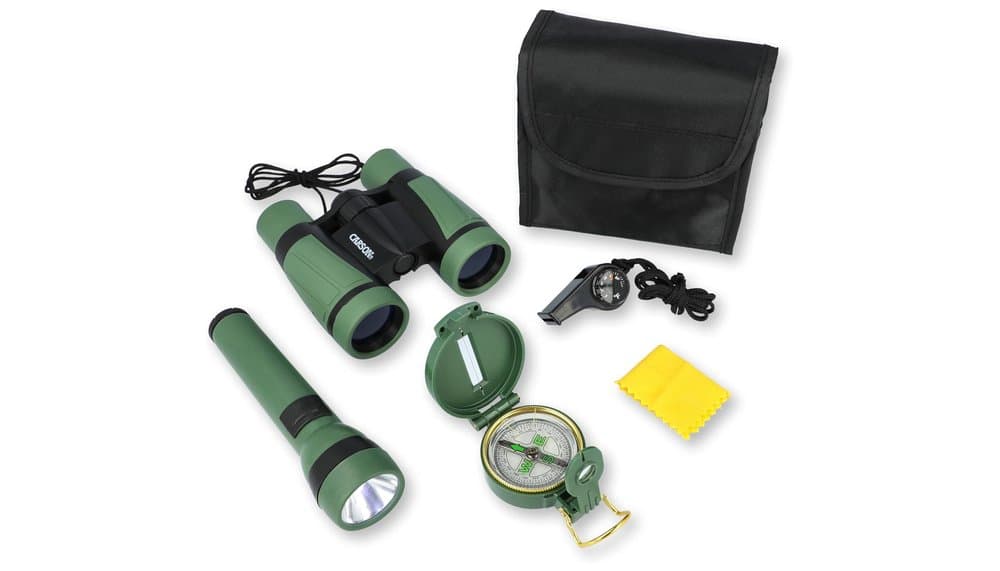
Carson AdventurePak Kids' Exploration Tool Kit Review
Explore nature with this kid's 5-piece tool kit for outdoor adventure and educational discovery. Perfect for young explorers.
Guides you might like
WiFi Trail Camera Guide
See wildlife discreetly from your couch! Learn how WiFi trail cameras let you monitor animals without disturbance and how to choose the right one.

Ultimate Travel Telescope Guide
Choose a portable, high-performance travel telescope to explore the universe from your backpack without compromising on essential astronomical views.
Ultimate Guide to Night Vision Binoculars
Choose the perfect night vision binoculars: Gen vs. digital? Unravel the tech to make your nighttime wildlife adventures a total success. Guide inside.