Lupxiu 20x50 Binoculars Review & Test
Published on 27 March 2026 · By OptiqueNature
Review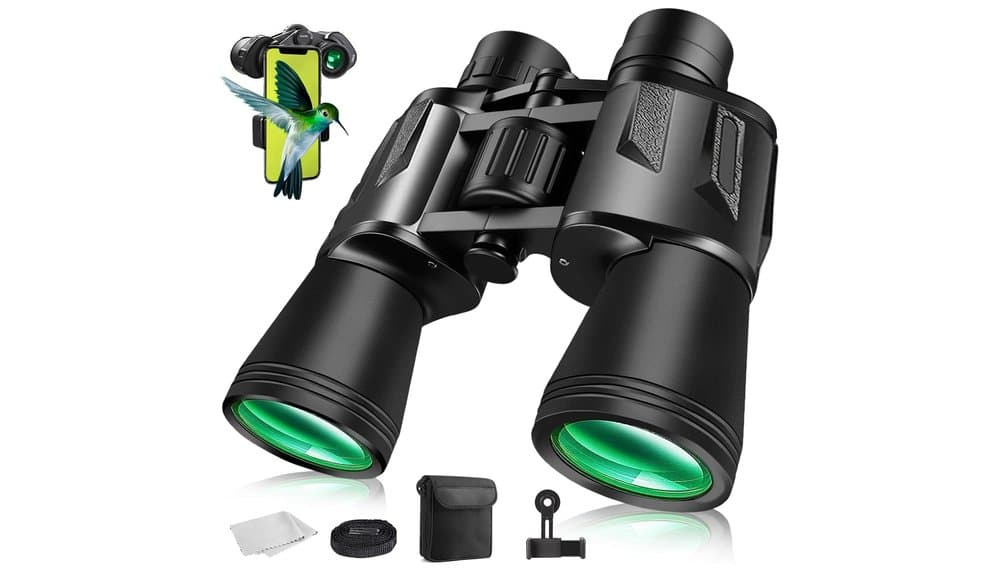
Introduction
Compact and powerful binoculars are an essential tool for observing nature, whether it's tracking the movement of a bird of prey or admiring the details of a distant landscape. In the highly competitive entry-level and mid-range segment, the Lupxiu 20x50 Binoculars promise a formula combining high magnification, brightness, and versatility, all at an accessible price. They are presented as an all-in-one solution for birdwatching, hiking, sporting events, and even as an introduction to astronomy. But how do they really perform in the field? We have analyzed their technical specifications, cross-referenced expert opinions, and synthesized feedback from the user community to paint an objective picture of this product.
Strengths and Weaknesses
Strengths
- Perceived excellent value for money by many users for the clarity and sharpness provided.
- Robust and waterproof construction offering a sense of durability and protection for outdoor activities.
- Complete accessory kit including a smartphone adapter, case, and strap.
- Generally satisfactory optics with BAK4 prisms and FMC coatings for a correct image in good light.
- Ergonomic grip and central focusing wheel judged to be fast and precise.
Weaknesses
- Disputed real magnification: many tests and user feedback indicate an effective magnification well below the advertised 20x, closer to 10x.
- Poor quality smartphone accessory, often described as unstable, difficult to calibrate, and not very functional in practice.
- Limited performance in low light despite the 50mm objective lens, partly due to a low calculated exit pupil.
- Relatively narrow field of view for dynamic use like observing birds in flight.
- Basic quality case and strap, consistent with the price segment.
Detailed Analysis of the Lupxiu 20x50 Product
Optical Quality and Field Performance
On paper, the specifications of the Lupxiu 20x50 seem solid for their category. The mention of BAK4 prisms and FMC (Fully Multi-Coated) treatments is a good starting point. BAK4 prisms, of better quality than BK7, minimize light loss and improve contrast. The multi-layer coatings on all air-to-glass surfaces aim to increase light transmission, which the manufacturer claims is 99.6% – a figure that should be viewed with caution, as it is extremely high and typical of marketing claims in the low-end segment. In reality, based on feedback, the image is indeed judged to be clear, sharp, and with faithful colors under optimal daytime conditions.
However, analysis of key figures reveals limitations. A magnification of 20x combined with a 50mm objective lens results in an exit pupil of only 2.5 mm (50/20). This value is low: it means little light reaches the eye, which significantly degrades perceived brightness in shaded areas or at dusk. The twilight factor is 31.6 (√(20x50)), but this theoretical metric is less important than a large exit pupil for comfort in low light. This 20x50 configuration is inherently unstable for hand-held use and very sensitive to vibration, making the use of a tripod (tripod mount provided) almost mandatory for prolonged observation, which contradicts the "compact for hiking" argument.
The most critical point raised by expert testers and some users concerns the magnification. There is a consensus that the real magnification is noticeably lower than the advertised 20x, being closer to around 10x. This difference is major and directly impacts the user experience and the choice of product for uses requiring high power.
The field of view is not specified in the provided data, but for a 20x50 configuration, it is typically quite narrow (often around 3° or less). This can make tracking moving objects, like a bird in flight, more difficult compared to 8x42 or 10x42 binoculars which offer a wider field.
Build, Ergonomics, and Durability
The construction is often described as robust in feedback. The rubber armor provides a good grip, even with gloves, and protects against minor shocks. The waterproof and fogproof claim is an important marketing asset. While users confirm resistance to splashes and light rain, it is prudent to note that in this price range, pressure-proof waterproofing (immersion type) is generally not guaranteed. Nitrogen purging, which prevents internal fogging, is often present on these models.
Ergonomics are praised. The twist-up and soft eyecups adjust well for eyeglass wearers, offering comfortable eye relief. The central focus wheel is judged to be precise and quick, a crucial point for nature observation.
The minimum focusing distance is not communicated, but for this type of binoculars, it is generally around 3 to 5 meters, which is sufficient for observing wildlife and flora.
Accessories and Versatility
The product comes with a complete set: smartphone adapter, case, strap, and cleaning cloth. This is a strong commercial argument. However, the smartphone adapter is consistently singled out as the weak link. Users and testers find it unstable, difficult to align perfectly with the eyepieces, and often resulting in vignetted or poor-quality images. For digiscoping (taking photos through binoculars), it offers a basic introduction but can prove frustrating.
The carrying accessories, while useful, are of standard quality, consistent with the kit's price.
In terms of versatility, the product sheet intends them for everything from concerts to astronomy. In practice:
- Birdwatching / Wildlife: Correct in daylight, but the potentially narrow field of view and unstable hand-held magnification are handicaps.
- Hiking / Trekking: Their weight (880g) and dimensions make them quite bulky for light hiking. The need for a tripod to exploit the advertised 20x makes them impractical.
- Astronomy: The small exit pupil (2.5mm) makes them not very bright for celestial observation, limiting their use to the Moon or the brightest planets, with a tripod.
- Events (concert, sports): The high magnification (real or advertised) and reduced field of view make them poorly suited for this type of use, where models with a wider field (like 8x25) are preferable.
Technical Specifications Table
| Characteristic | Lupxiu 20x50 Binoculars Specification |
|---|---|
| Model | Lupxiu 20x50 Binoculars |
| Advertised / Estimated Real Magnification | 20x / ~10x (according to feedback) |
| Objective Lens Diameter | 50 mm |
| Prisms | BAK4 |
| Optical Coatings | FMC (Fully Multi-Coated) |
| Exit Pupil | 2.5 mm (for 20x) |
| Twilight Factor | ~31.6 |
| Waterproofing | Advertised as waterproof (weather resistant) |
| Fogproof | Advertised (likely nitrogen purged) |
| Eyecups | Twist-up and soft |
| Focus | Central |
| Smartphone Adapter | Included (poor quality according to feedback) |
| Weight | 880 grams |
| Included Accessories | Case, strap, cloth, smartphone adapter |
What Users and Testers Say
The synthesis of available online customer reviews and expert tests paints a mixed but overall positive opinion for the price, with major reservations.
The recurring positive points are:
- Satisfactory Sharpness and Clarity: Phrases like "very sharp," "clear vision," "sharp images" often appear for standard daytime use.
- Value for Money: Many buyers say they are "pleasantly surprised" for the price paid.
- Finish and Sturdiness: The product gives an impression of robustness and "feels good in the hand."
- Completeness of the Kit: The presence of all accessories, especially the case and adapter, is appreciated.
The frequently mentioned negative points are:
- Misleading Magnification: This is the main pitfall. Comments like "the real magnification seems to be 10x" or doubts about the 20x labeling are frequent in technical analyses.
- Poor Quality Smartphone Adapter: Described as "unstable," "gimmicky," or "hard to adjust," it disappoints most users who want to do digiscoping.
- Limitations in Low Light: Consistent with technical analysis, performance drops significantly as light decreases.
- Low-End Accessories: The case is sometimes described as "not very sturdy" or "minimal quality."
The final user experience therefore seems heavily dependent on expectations. Those looking for decent, sturdy, and complete binoculars on a tight budget are often satisfied. Those who believe they are acquiring truly 20x observation power, or a performing photo setup, are disappointed.
Conclusion
The Lupxiu 20x50 Binoculars perfectly embody the strengths and weaknesses of over-equipped entry-level binoculars. Their main advantage is to offer, for a modest investment, decent optics (BAK4 prisms, FMC coatings) in a robust and waterproof body, all accompanied by a range of accessories that gives an impression of great versatility.
However, our analysis confirms the doubts raised by the community: the 20x magnification is very likely overstated, and one should rather expect optical performance close to a 10x50 model. This point is crucial because it moves the product into a different usage category. Furthermore, the included smartphone adapter proves to be an accessory of insufficient quality for serious use.
Recommended Target Audience: These binoculars may suit an absolute beginner, a casual user (for the garden, an outdoor concert, a family outing), or someone looking for a sturdy pair of binoculars to keep in their car, without extreme technical demands. They serve as a stepping stone to discover the practice.
Audience For Whom They Are Not Suitable: Regular observers (birdwatchers, wildlife enthusiasts), astronomy enthusiasts, or those seeking authentic and stable high magnification power (requiring a tripod) will find their limits too pronounced. It is then preferable to consider established brands in the mid-range segments, even with a slightly higher budget, for guaranteed reliable specifications and better-controlled optical quality.
In summary, the Lupxiu 20x50 are an honest proposition provided you recalibrate your expectations. Consider them as decent 10x50 binoculars, bright in daylight and well-equipped, sold with a "20x" marketing argument that must be taken with a large grain of salt. For their price, they do the job, but they don't defy the laws of optics.
100% free and independent — All our articles are written independently, without any sponsorship. We may earn a commission on purchases made through our links, at no extra cost to you.
Articles you might like
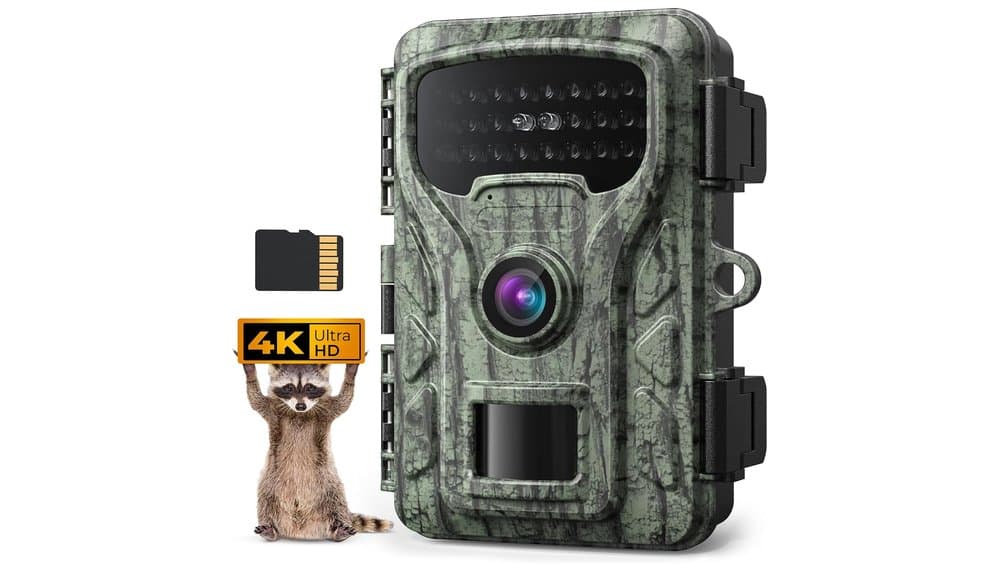
Caytail 4K 48MP Hunting Camera Review & Test
In-depth review of the Caytail 4K 48MP trail camera with included SD card. We analyze specs and real user feedback on its true field performance.
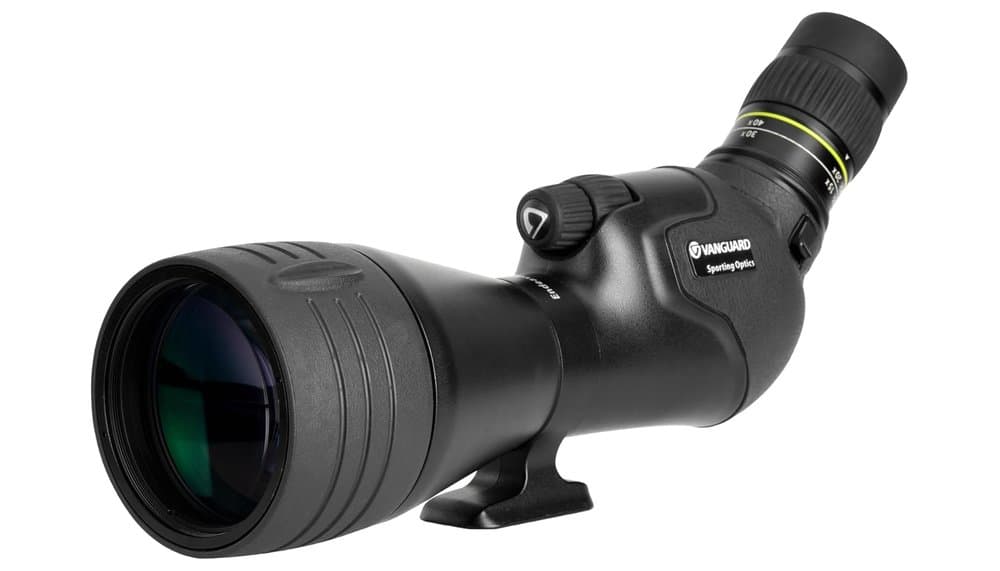
Vanguard Endeavor HD65A Spotting Scope Review
Spotting scope with 65mm ED glass & 15-45x zoom for birding & hiking. Balanced performance & portability for serious nature observers.
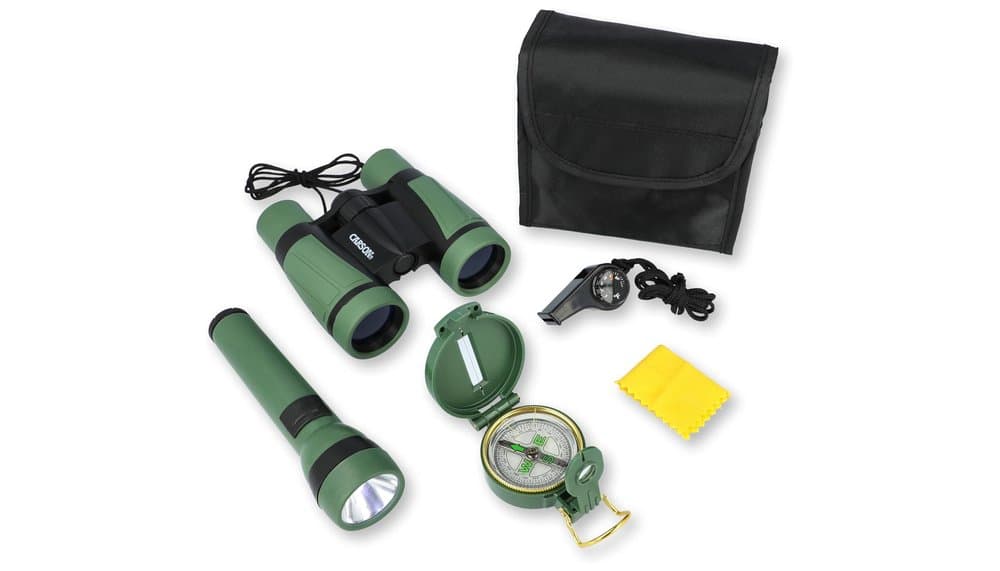
Carson AdventurePak Kids' Exploration Tool Kit Review
Explore nature with this kid's 5-piece tool kit for outdoor adventure and educational discovery. Perfect for young explorers.
Guides you might like
WiFi Trail Camera Guide
See wildlife discreetly from your couch! Learn how WiFi trail cameras let you monitor animals without disturbance and how to choose the right one.
Ultimate Travel Telescope Guide
Choose a portable, high-performance travel telescope to explore the universe from your backpack without compromising on essential astronomical views.
Ultimate Guide to Night Vision Binoculars
Choose the perfect night vision binoculars: Gen vs. digital? Unravel the tech to make your nighttime wildlife adventures a total success. Guide inside.