Adjustable Latitude Equatorial Wedge Review for Telescopes
Published on 11 May 2026 · By OptiqueNature
Review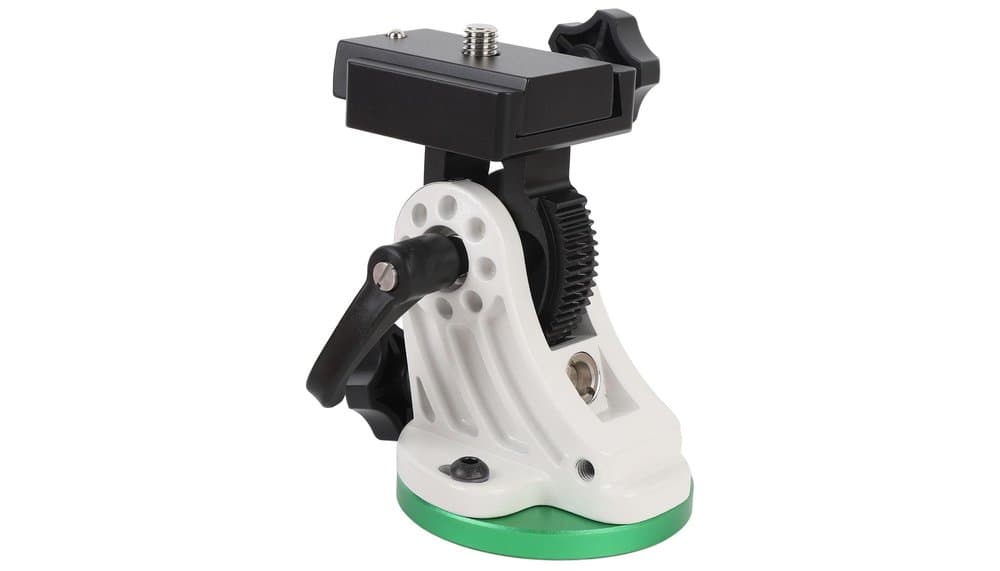
Product Analysis: Adjustable Latitude Equatorial Wedge Aluminum Alloy for Telescopes and Photography
In the vast world of sky observation accessories, the equipment that provides the link between stability and precision is often the most crucial. The Adjustable Latitude Equatorial Wedge Aluminum Alloy presents itself as an essential mechanical solution for transforming a standard photo tripod into an astronomical tracking platform. This technical analysis looks at this adjustable latitude platform, evaluating its construction, field utility, and value in light of community feedback and provided specifications.
Strengths
The advantages of this product lie in a combination of mechanical simplicity and versatility.
- Robust and Lightweight Construction: Made from aluminum alloy, this wedge combines strength with lightness. This characteristic is fundamental for an accessory meant to be transported to remote observation sites, without sacrificing the rigidity needed to support optical equipment.
- Precise Latitude Adjustment: Its primary function, adjustment from 0 to 90 degrees, is achieved via a screw mechanism. This allows for precise adjustment of the telescope or tracker's angle to match the observer's latitude, an indispensable step for proper polar alignment of an equatorial mount.
- Universal Compatibility: Equipped with a standard 3/8 inch screw on its base, it can be mounted on the vast majority of photographic tripods. Its top platform is designed to accommodate various lightweight mounts, small tracker forks, or even certain telescopes directly, depending on their mounting plate.
- Optimized Portability: Its compact size (15x14x12 cm) and contained weight make it an ideal travel companion for the nomadic astronomer looking to minimize equipment while retaining equatorial tracking capability.
Weaknesses
Despite its qualities, this wedge has limitations inherent to its minimalist design.
- Manual Polar Alignment Required: Unlike a complete equatorial mount, this platform only provides latitude adjustment. Fine polar alignment (azimuth) must be done by adjusting the overall orientation of the tripod, which can prove tedious and less precise, especially for long-focal-length astrophotography.
- No Integrated Leveling System: No bubble level is incorporated. For optimal setup, the user must bring their own leveling tool, an additional crucial step to ensure overall stability.
- Limited Load Capacity: Although the materials are robust, this is a compact accessory. Based on expert feedback, it is imperative to verify that the maximum supported load (not explicitly provided) is suitable for the combined weight of the mount, optics, and camera accessories. It is designed for light to medium setups.
- Lack of Fine Adjustment Indicators: The latitude scale, if present, is often basic. For very precise adjustment, necessary in astrophotography, users sometimes report having to rely on mobile applications or external tools, limiting field ergonomics.
Detailed Technical Analysis
This adjustable platform is not an optical instrument, but a critical mechanical component. Its evaluation therefore rests on its design, materials, and interaction with the rest of the equipment.
Construction and Durability: The aluminum alloy used offers an excellent strength-to-weight ratio. The adjustment mechanisms, operated by knobs, appear to provide smooth progression according to feedback. The finish is generally described as clean, ensuring protection against light oxidation. However, there is no official indication of weather resistance (IPX rating), meaning it is intended for use in reasonable conditions.
Precision and Stability: Overall stability will largely depend on the tripod it is mounted on. The wedge itself, once properly secured and adjusted, offers a stable inclined base. The precision of the latitude angle is the key parameter. Users highlight that the screw system allows for fairly fine adjustments, but the absence of a micrometer or vernier scale limits absolute precision for the most demanding requirements.
Ergonomics and Ease of Use: Setup is simple and intuitive. Adjustment is done manually, without specific tools in most configurations. Compactness is a major asset for storage and transport. For users wearing glasses, this accessory has no direct impact on visual comfort, which is determined by the eyepiece or sighting device used on the main instrument.
Compatibility and Versatility: This is where the product shines. Its standard 3/8" screw makes it compatible with the vast majority of photo tripods on the market. On its top surface, it generally accepts 1/4" or 3/8" screws, covering nearly all mounting platforms for trackers (like the Star Adventurer), small equatorial mounts, and photo heads. It is an excellent bridge accessory.
| Specification | Detail |
|---|---|
| Product Name | Adjustable Latitude Equatorial Wedge Aluminum Alloy |
| Main Material | Aluminum alloy |
| Adjustment Range | 0° to 90° (latitude) |
| Mounting Interface (base) | 3/8" screw |
| Mounting Interface (top) | Standard screw (typically 1/4" or 3/8") |
| Dimensions (approx.) | 15 x 14 x 12 cm |
| Weight (approx.) | 776 g |
| Primary Uses | Portable astrophotography, observation with a tracker, simplified polar alignment |
What Users Say: Summary of Feedback
Community feedback and expert analyses converge on several points.
Recurring positive points revolve around its perceived solidity and value for money. Users appreciate its simplicity of use and the fact that it perfectly fulfills its single function: tilting equipment in a stable manner. Its light weight is consistently praised by those who travel on foot or by vehicle to observe. The build quality, particularly the finish of the aluminum and the feel of the adjustment knobs, is generally considered good for its price segment.
Frequent criticisms mainly concern functional limitations. Several independent testers note the lack of an integrated bubble level, considered a frustrating omission for an accessory where leveling is critical. The difficulty of fine and quick polar alignment is also mentioned, as this product requires a good understanding of manual alignment methods. Finally, some would have preferred more precise engraved scales and more defined stops at the extremes of the adjustment range.
The trend is clear: this wedge is seen as an excellent entry-level or simplified portable-use accessory, but it shows its limitations against the demands of advanced astrophotography which requires superior alignment precision and speed.
Conclusion: Who is this Latitude Platform For?
The Adjustable Latitude Equatorial Wedge Aluminum Alloy is a specialized tool that finds its place in a very specific niche. It does not bring optical innovation, but solves a mechanical problem efficiently.
We recommend it without reservation for the nomadic amateur astronomer or the beginning astrophotographer equipped with a portable star tracker (like those from Sky-Watcher or iOptron). It is perfect for someone who wants to quickly switch from a daytime photo setup to a nighttime setup on the same sturdy tripod. Its simplicity and robustness make it a wise choice for field outings.
On the other hand, users looking for an all-in-one solution for a heavy equatorial mount or wanting an automated or ultra-fast polar alignment procedure will need to turn to dedicated, more complex and expensive equatorial platforms. Similarly, for a permanent installation in a backyard observatory, a fixed equatorial mount will be much more suitable.
In summary, this product is a reliable and portable mechanical facilitator. It excels in its role as a bridge between the worlds of classic photography and lightweight astrophotography, provided one accepts mastering the manual alignment steps it requires. For its price, it offers a solid and practical gateway to star tracking.
100% free and independent — All our articles are written independently, without any sponsorship. We may earn a commission on purchases made through our links, at no extra cost to you.
Articles you might like
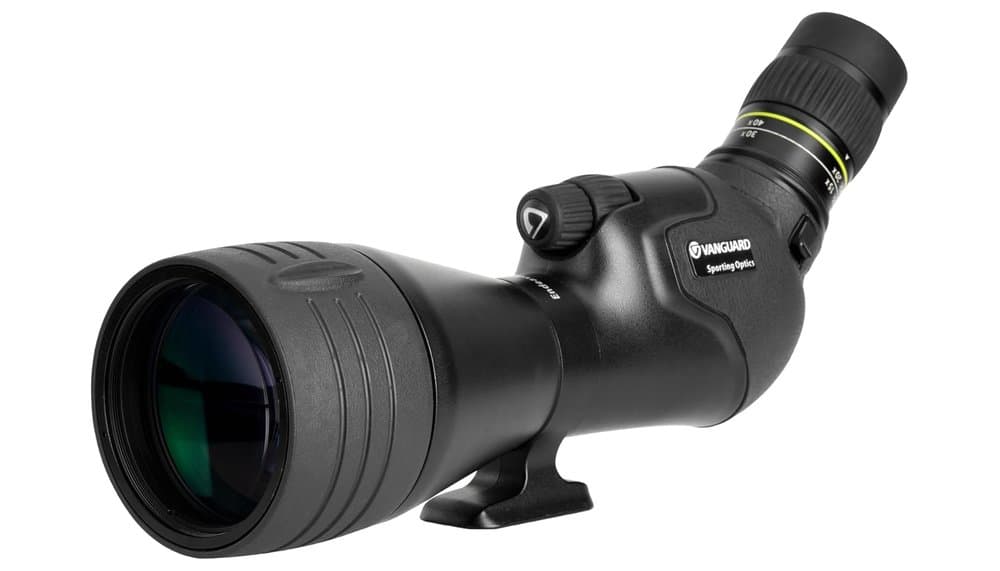
Vanguard Endeavor HD65A Spotting Scope Review
Spotting scope with 65mm ED glass & 15-45x zoom for birding & hiking. Balanced performance & portability for serious nature observers.
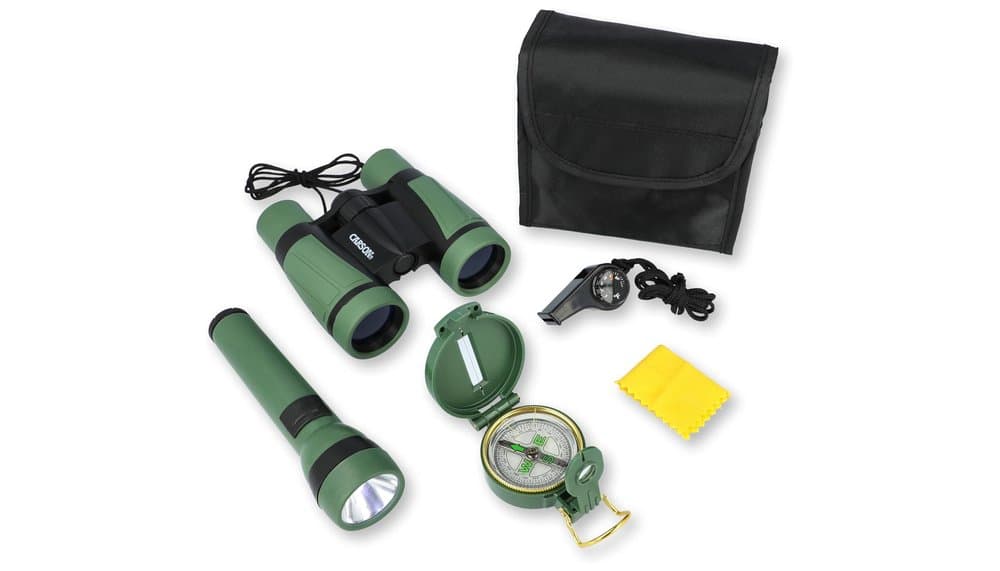
Carson AdventurePak Kids' Exploration Tool Kit Review
Explore nature with this kid's 5-piece tool kit for outdoor adventure and educational discovery. Perfect for young explorers.
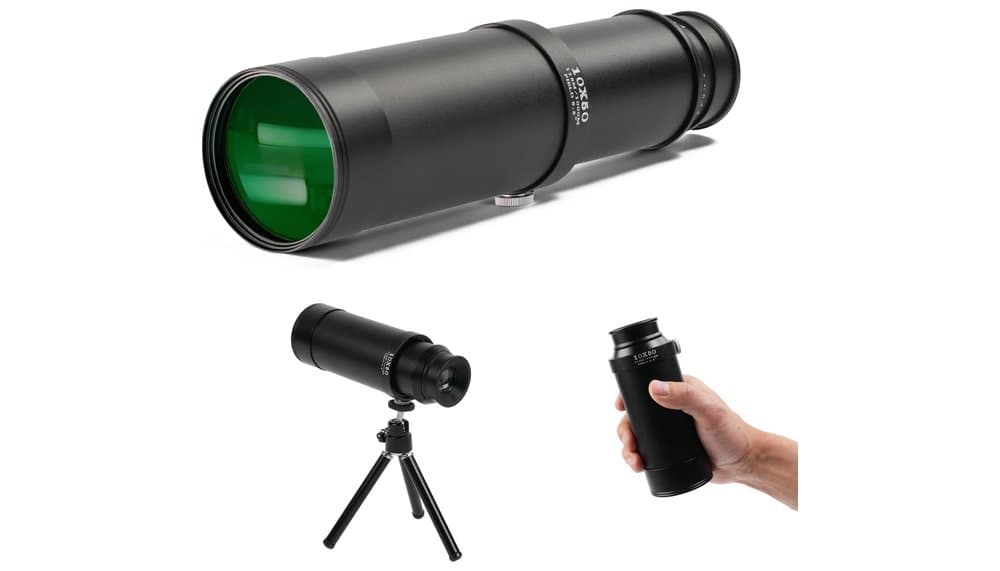
BOSTRON CY 10x50 Monocular Review & Test
Compact 10x50 monocular review: Analyzes optical clarity, field of view & build quality for hiking, nature & astronomy. See its true value.
Guides you might like
WiFi Trail Camera Guide
See wildlife discreetly from your couch! Learn how WiFi trail cameras let you monitor animals without disturbance and how to choose the right one.
Ultimate Travel Telescope Guide
Choose a portable, high-performance travel telescope to explore the universe from your backpack without compromising on essential astronomical views.
Ultimate Guide to Night Vision Binoculars
Choose the perfect night vision binoculars: Gen vs. digital? Unravel the tech to make your nighttime wildlife adventures a total success. Guide inside.