HAZA 2.7K Trail Camera Test & Review
Published on 27 June 2026 · By OptiqueNature
Review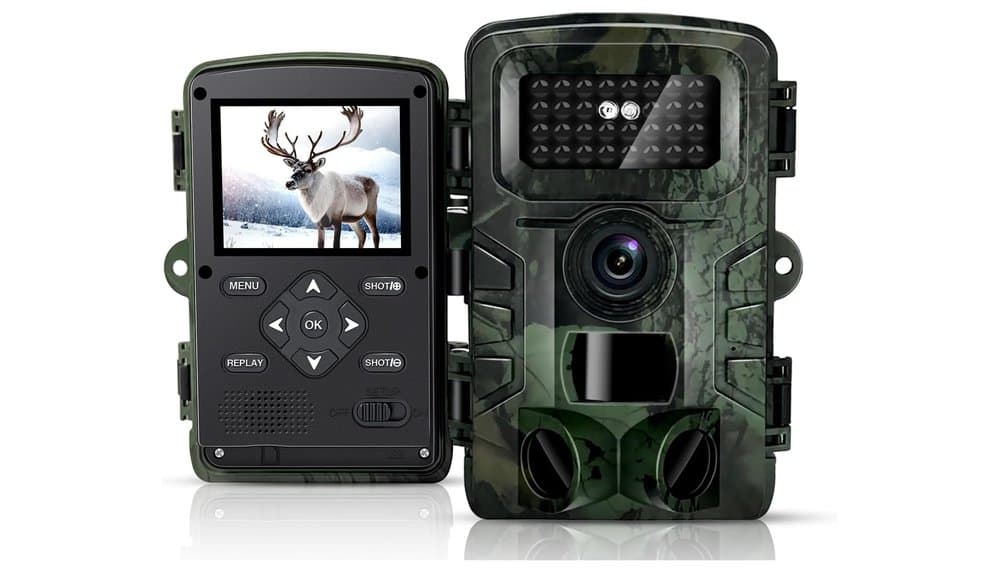
Introduction
In the world of discreet wildlife observation and natural environment monitoring, trail cameras have become indispensable tools for naturalists, hunters, or the simply curious. We observe a plethora of options, where it can sometimes be difficult to distinguish marketing promises from real field performance. Today, we examine the HAZA 2.7K Hunting Camera, a no Wi-Fi model presented as a robust and performant solution. By cross-referencing its technical specifications, independent expert analyses, and concrete feedback from a broad community of users, we will separate fact from fiction and determine who this device is truly suited for.
Strengths and Weaknesses
What Impresses
- Daytime Image Quality: According to user feedback, the 2.7K / 4K resolution (according to the claim) provides photos and videos with sharpness and detail that are very satisfying for its price segment.
- Nocturnal Stealth: The use of 34 940nm infrared LEDs is a major asset. Testers emphasize that this technology produces no visible red glow, which is essential to avoid frightening wildlife and remain completely stealthy.
- Robustness and Waterproofing: The IP66 rating is unanimously praised. The community notes that the casing, with its military camouflage and seals, withstands weather, rain, and even freezing well.
- Ease of Use: The inclusion of a 32GB SD card and the simplicity of the multilingual menu are seen as practical advantages for a quick start, without complex connection needs.
The Limitations to Know
- Latency and Detection Interval: A critical point emerges from reviews: the delay between two detection cycles. Several users report an interval of about 5 seconds, which can cause missed passages of fast animals, sometimes contradicting the promise of continuous detection.
- Trigger Speed: While the spec sheet advertises 0.1s to 0.2s, some field reports indicate a slower trigger speed in practice, with the subject sometimes already centered in the frame when recording begins.
- Video Format and Software: Videos are encoded in AVI format (and not MP4 as sometimes suggested), which can cause compatibility issues with some media players or smartphones, sometimes requiring conversion.
- Condensation: A few users report issues with lens fogging under conditions of high humidity or prolonged rain, which severely degrades image quality. Additional protection (small shelter) is often recommended.
Detailed Analysis by Use Case
For Naturalist Observation and Ecology
On paper, the specs promise a suitable tool. The 120° field of view allows covering a wide area, ideal for monitoring a trail or clearing. The absolute stealth (940nm LEDs) is its greatest advantage here, allowing observation of natural behaviors without disturbance. However, the detection dead interval reported by users is a serious drawback for quantitative studies requiring systematic capture of all events. It is better suited for qualitative observation and discovering animal presence than for precise counting.
For Property or Garden Surveillance
The IP66 waterproofing and robustness make it a candidate. However, two major drawbacks appear. First, the absence of Wi-Fi means physically retrieving the SD card to review recordings, which is impractical for regular surveillance. Secondly, the operational red LEDs (mentioned in a negative review) can be visible and betray the camera's presence, making it less suitable for deterring malicious human intrusions.
For Wildlife Tracking in Demanding Environments
The long battery life (up to 6 months on 8 AA batteries in standby mode) and resistance to winter conditions make it a reliable device for prolonged deployments in forests or mountains. Its camouflage is effective. It is in this context of intensive use, where the camera remains in place for weeks, that it fully leverages its strengths: simplicity, autonomy, and stealth.
Comparison in the Trail Camera Landscape
The HAZA 2.7K No WiFi clearly positions itself in the mid-range / advanced entry-level segment. It surpasses low-end models with its image quality and invisible 940nm LEDs. In contrast, it falls behind high-end or connected models on several points: PIR speed and responsiveness (motion sensor), the presence of features like Wi-Fi for remote control, and the fineness of settings (sensitivity, detection zones). Its price-performance ratio is good if its operational limits (detection interval, triggering) are acceptable for your use.
Key Technical Specifications
| Category | HAZA 2.7K (No WiFi) Specification | Impact for the User |
|---|---|---|
| Sensor & Resolution | 2.7K/4K Video, 64MP Photos (interpolation) | Detailed daytime images. Photo resolution is often a result of software processing. |
| Night Vision | 34 940nm IR LEDs (invisible) | Major Asset: Completely discreet illumination, does not spook animals. Range ~20m. |
| Detection | PIR sensor, 120° angle, range up to 30m (day) | Wide field of view. Actual sensitivity and responsiveness vary with conditions. |
| Trigger Speed | Advertised as 0.1s - 0.2s | In practice, users sometimes report a perceptible delay before recording starts. |
| Screen | 2-inch Color LCD Screen | Allows on-site viewing and configuration without a smartphone. |
| Ruggedness | IP66 Rating (Dust-tight and protected against powerful water jets) | Construction suitable for permanent exposure to the elements. |
| Power | 8 AA batteries (not included) or 6V cable (included) | Long battery life in detection mode, lithium batteries recommended for cold weather. |
| Connectivity | No Wi-Fi. Transfer via USB cable or SD card removal. | Simplicity and energy saving, but no remote file access. |
| Storage | MicroSD card (up to 128GB). A 32GB card is included. | Immediate practical advantage, no additional purchase necessary. |
| Video Format | AVI | Less universal format than MP4, may require a suitable player or conversion. |
What Users Say: Summary of Reviews and Tests
Feedback from the community, which gives it an average rating of 4/5 stars, paints a nuanced and realistic picture of the camera.
Praise focuses mainly on three aspects. Firstly, image quality, both day and night, is very often described as excellent for the price, with sharp details and good clarity thanks to the invisible LEDs. Secondly, ease of installation and use is highly valued: the menu is clear, and the camera is ready to go with the included SD card. Finally, robustness and waterproofing are confirmed by numerous user reports of leaving it outside in all weather conditions.
Recurring criticisms point to operational rather than quality issues. The most frequent concern is detection system latency. Several reviews mention a gap of several seconds between cycles where the camera is "blind," potentially missing action. Some also note that the trigger is not as instantaneous as advertised. Finally, occasional issues with condensation inside the housing and the presence of visible red indicator LEDs (which can compromise stealth) are reported.
Available online expert tests corroborate these points. They highlight that the HAZA 2.7K offers excellent value for money on fundamentals (image, nocturnal stealth, build), but that it falls short on the responsiveness of its detection electronics, an area where higher-end models make the difference.
Conclusion
The HAZA 2.7K Hunting Camera (No WiFi) is a solid advanced entry-level trail camera that excels at its core functions but reveals limitations in its responsiveness.
It constitutes a smart choice for the occasional nature observer, the forest owner wanting to inventory their wildlife, or someone looking for a simple, reliable, and discreet model for long-term deployments without the need for remote connection. Its image quality, nocturnal stealth, and waterproof construction make it a serious and reliable tool in these contexts.
However, it will be less suitable for users requiring systematic and fail-proof capture of all movements (for precise scientific counting, for example) or for those who prioritize the convenience of accessing images via smartphone without physical retrieval. The reported latencies in detection are its weak point to consider.
In summary, if your priority is obtaining quality images of undisturbed animals, with simple setup and long battery life, and you accept having to retrieve the data physically, the HAZA 2.7K represents a safe bet. For those whose primary need is ultimate responsiveness or remote control, it will be necessary to look towards higher-end segments, often at a significantly higher cost.
100% free and independent — All our articles are written independently, without any sponsorship. We may earn a commission on purchases made through our links, at no extra cost to you.
Articles you might like
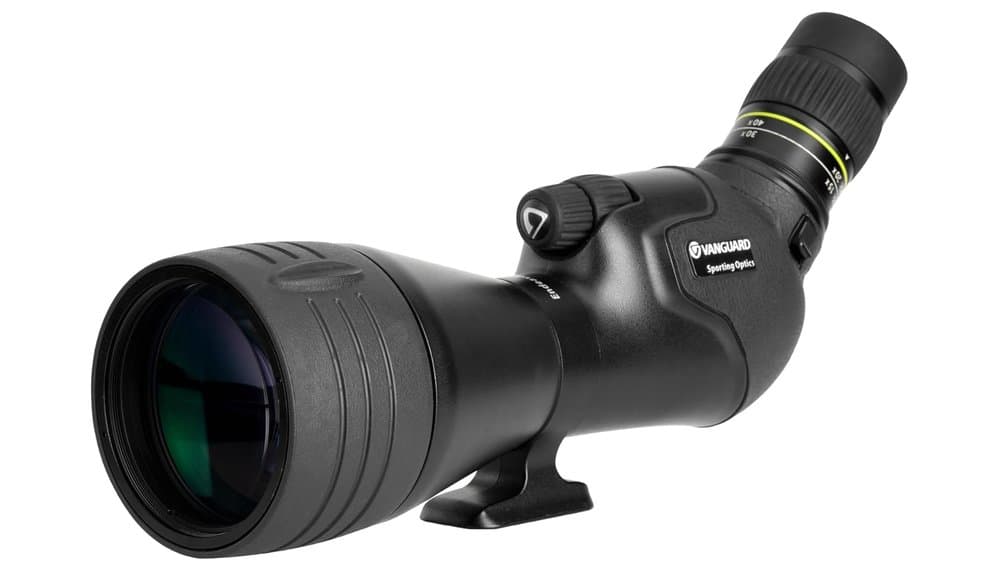
Vanguard Endeavor HD65A Spotting Scope Review
Spotting scope with 65mm ED glass & 15-45x zoom for birding & hiking. Balanced performance & portability for serious nature observers.
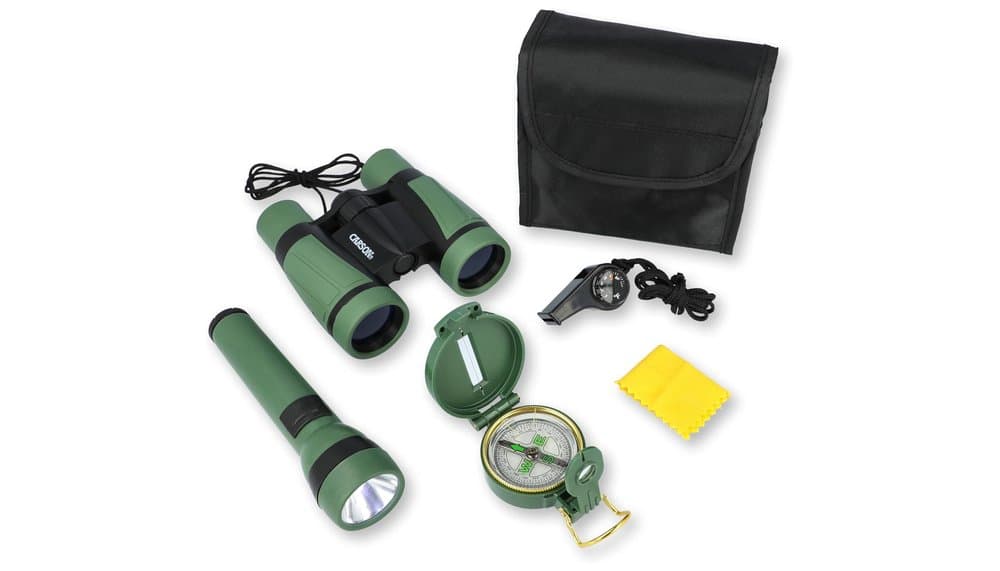
Carson AdventurePak Kids' Exploration Tool Kit Review
Explore nature with this kid's 5-piece tool kit for outdoor adventure and educational discovery. Perfect for young explorers.
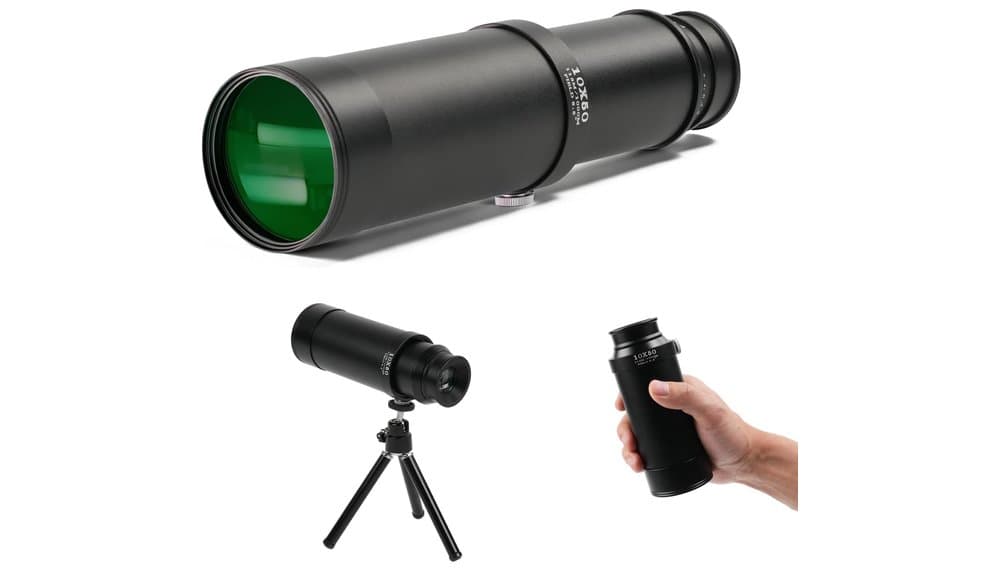
BOSTRON CY 10x50 Monocular Review & Test
Compact 10x50 monocular review: Analyzes optical clarity, field of view & build quality for hiking, nature & astronomy. See its true value.
Guides you might like
WiFi Trail Camera Guide
See wildlife discreetly from your couch! Learn how WiFi trail cameras let you monitor animals without disturbance and how to choose the right one.

Ultimate Travel Telescope Guide
Choose a portable, high-performance travel telescope to explore the universe from your backpack without compromising on essential astronomical views.
Ultimate Guide to Night Vision Binoculars
Choose the perfect night vision binoculars: Gen vs. digital? Unravel the tech to make your nighttime wildlife adventures a total success. Guide inside.