Celestron UpClose G2 16x32 Roof Binoculars Review
Published on 12 June 2026 · By OptiqueNature
Review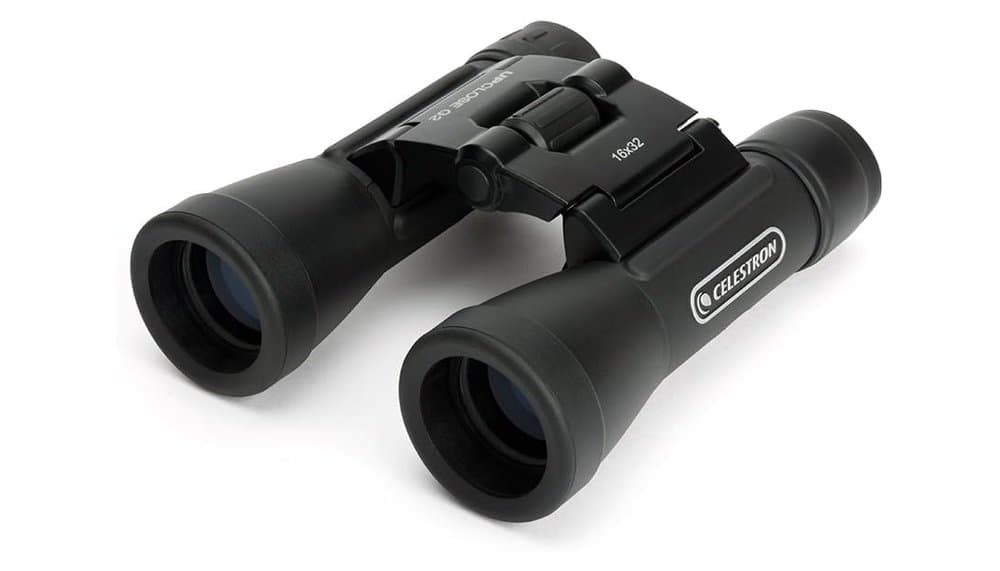
Introduction
In the vast landscape of nature observation, compact high-magnification binoculars represent an attractive compromise between power and portability. The Celestron UpClose G2 16x32 Roof Binoculars model fits precisely into this category, promising "great power in a small format." It is a product that sparks interest with its bold specifications: 16x magnification with an objective lens of only 32mm in diameter. But how do these numbers translate in the field, for the birdwatcher, hiker, or outdoor event enthusiast? We will dissect this pair of binoculars by objectively analyzing its technical characteristics, build quality, and cross-referencing this data with tangible feedback from the user community and expert tests.
Key Strengths
- Compactness and Foldable Design: The double hinge allows them to be folded into a very compact format, ideal for storage in a bag or even a jacket pocket.
- High Magnification for Size: 16x magnification offers powerful close-up capability, allowing for discerning details at great distance.
- Very Accessible Entry Price: They are clearly positioned in the entry-level segment, offering an entry point to significant magnification.
- General Ergonomics: The lightweight design and presence of a rubber armor offer a good grip and basic protection against minor shocks.
- Complete Included Accessories: They come with a neck strap, cleaning cloth, and carrying case, which is appreciated at this price level.
Key Weaknesses
- Compromised Image Stability: The 16x32 combo generates a very narrow exit pupil (2mm) and greatly amplifies natural hand tremors, making the image unstable without support.
- Limited Brightness in Low Light: The small objective diameter (32mm) coupled with the 2mm exit pupil severely restricts the amount of light reaching the eye, making them poorly suited for dawn, dusk, or under dense forest cover.
- Very Narrow Field of View: With 3.5° (or 185 feet at 1000 yards), the field of view is particularly restricted, complicating the spotting and tracking of moving objects like birds.
- Basic Optical Quality: Feedback indicates sharpness that can drop towards the edges of the image, and the absence of phase-correction coatings or dielectric prisms limits the fidelity of contrast and colors compared to more refined models.
- Mixed Durability and Quality Control: Several user reviews report issues with optical alignment (faulty collimation) upon receipt, pointing to possible inconsistencies in quality control.
Detailed Analysis
Optical Performance and Practical Uses
On paper, the Celestron UpClose G2 16x32 specs announce multi-coated lenses. This means some lens surfaces have received anti-reflective treatment, which improves light transmission and reduces stray light compared to completely bare optics. However, according to industry analysis, this model does not incorporate phase-correction coatings on the roof prisms, nor dielectric coatings on the prism mirrors. These technologies, common in mid-range models, are crucial for maximizing resolution and contrast in roof prisms. Their absence results, according to testers, in an image that may lack "bite" and absolute chromatic richness, especially when compared side-by-side with more accomplished models.
The determining factor here is the 16x32 pairing. This yields a theoretical twilight factor of 22.6, which is high, but an exit pupil of only 2mm. This small exit pupil is the key indicator: in low-light conditions, the human eye's pupil (which dilates to about 7mm) cannot gather all available light, making the image dark. They are therefore clearly designed for use in broad daylight.
The 3.5° field of view is another major element. It is significantly narrower than that of standard 10x42 binoculars (often around 6-7°). For wildlife observation, this means you need to be very precise to find the animal in the binoculars, and following it if it moves may require constant adjustments. This is not the ideal choice for a beginner birdwatcher or for quickly scanning a landscape.
The minimal footprint and featherweight (less than 370g) are, on the other hand, undeniable assets for hiking or travel where every gram counts. Their pocket format makes them discreet and always available.
Construction and Ergonomics
The spec sheet indicates water-resistant construction, not waterproof. This nuance is important: they can withstand a few splashes or light drizzle, but must not be immersed or exposed to sustained rain. They are also not nitrogen-purged, so not fogproof. A quick move from a warm interior to a cold exterior risks causing condensation inside the tubes, which will take time to dissipate.
The rubber armor offers good grip and basic protection. The hinges and the central focus wheel are, according to feedback, generally satisfactory for the price, with a precise rotation feel mentioned by some users.
For eyeglass wearers, the 10mm eye relief is at the low limit. The soft and foldable eyecups allow pressing against glasses lenses, but this reduced eye relief combined with the already narrow field of view can create a "looking through a keyhole" effect. The experience is far less comfortable and immersive than on models offering 15mm of eye relief or more.
The minimum focus distance of 26 feet (approximately 8 meters) is relatively large. It excludes any close-up observation of insects, detailed flowers, or very nearby birds.
Value for Money and Competitive Segments
The Celestron UpClose G2 16x32 occupy a particular niche: that of ultra-compact, very high-magnification binoculars at a minimum price. In the budget segment, they have few direct competitors with this same 16x32 ratio. Comparison is often made with 10x25 or 10x32 models in the same price range, which will offer a more stable image, a wider field, and often better brightness, at the expense of close-up power.
As soon as you move into the mid-range, the technical compromises of this model become glaring. For a slightly higher budget, you can find 10x42 models with fully multi-coated and phase-corrected optics, waterproof and fogproof construction, a much more generous field of view, and an exit pupil around 4-5mm. These models will be incomparably more versatile and rewarding for serious nature observation.
For casual astronomy, the 16x can allow enlarging the view of the Moon, but the small exit pupil and manual instability severely limit its interest. A small telescope or 10x50 binoculars will be far better-performing choices. Digiscoping (photography with a smartphone) is very difficult due to the minuscule exit pupil and instability, requiring a perfectly aligned adapter.
Technical Specifications
| Characteristic | Specification |
|---|---|
| Model | Celestron UpClose G2 16x32 Roof Binoculars |
| Magnification | 16x |
| Objective Diameter | 32 mm |
| Prism | Roof |
| Prism Material | BK-7 |
| Optical Coatings | Multi-coated (lenses) |
| Field of View | 3.5° (185 feet at 1000 yards) |
| Exit Pupil | 2.0 mm |
| Twilight Factor | ~22.6 |
| Eye Relief | 10 mm |
| Min. Focus Distance | ~8 m (26 feet) |
| IPD Adjustment | 58 - 72 mm |
| Water Resistance | Water resistant |
| Fogproof | No |
| Weight | 369 g |
| Dimensions (folded) | Approximately 12.7 x 5.1 cm |
| Focus Type | Central |
| Eyecups | Soft and foldable |
What Users Say
Analysis of hundreds of customer reviews and expert feedback paints a nuanced but revealing picture.
The recurring positive points revolve around perceived value for the price. Terms like "good value for money," "better than expected for the price," and "ideal for beginners" often come up. Users appreciate the extreme compactness ("fit in a pocket"), the construction that "feels solid" to the touch, and the feel of the adjustment wheels, described as precise and without play. The inclusion of accessories (case, strap) is also noted positively.
The frequent negative points are more technical and confirm the limitations identified in the specifications. The most glaring problem, aside from factory defects, is image instability. Many users emphasize that shaking is very pronounced at 16x without support, making prolonged observation tiring. Brightness is deemed sufficient only in full daylight, and several note a sharpness that falls off at the edges of the image. The "tunnel-like" narrow field of view is a recurrent complaint for those wishing to observe nature. Finally, several reviews report collimation problems (misalignment of the two tubes) on new products, causing double images and headaches, necessitating a return.
A trend emerges: those who are most satisfied are often occasional users (concerts, sports events, light hiking) or parents looking for a first "serious" pair for a child. More demanding or regular nature observers express more frustrations regarding the optical limitations.
Conclusion
The Celestron UpClose G2 16x32 Roof Binoculars are a product that plays on a very specific and assumed compromise: maximizing magnification in a pocket format at minimal cost. In this, they deliver on their promise.
Our analysis concludes that they can constitute a worthwhile purchase for a very occasional user, a light traveler wanting a discreet tool to enlarge distant views in broad daylight, or as a first instrument for a young enthusiast without breaking the bank. Their extreme compactness is their key strength.
However, for any regular nature observation activity like birdwatching, studying wildlife, or for use in varying light conditions, their weaknesses – instability, narrow field of view, low brightness in low light, and basic optical quality – quickly become limiting. The "water resistant" rating and lack of fogproofing also confine them to fair-weather use.
They occupy a niche, but not that of the versatile binocular for outdoor enthusiasts. For that, it is generally recommended to opt for a more moderate magnification (8x or 10x) with a more generous objective diameter (42mm) and more advanced optical treatments, even if this implies a slightly higher budget and a less compact format. The UpClose G2 16x32 are a clear proposition: a lot of "zoom" in your pocket, but with significant concessions on the overall observation experience.
100% free and independent — All our articles are written independently, without any sponsorship. We may earn a commission on purchases made through our links, at no extra cost to you.
Articles you might like
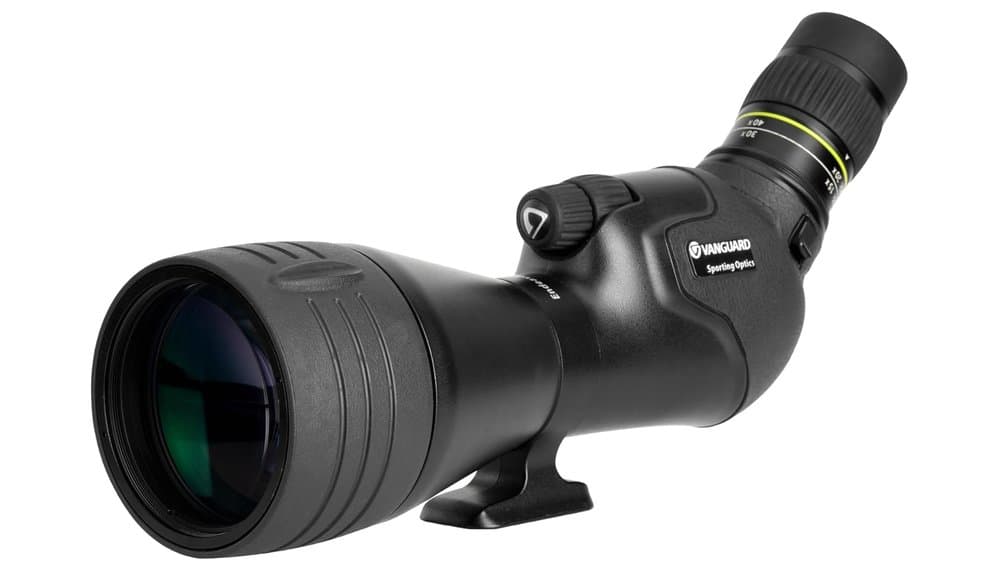
Vanguard Endeavor HD65A Spotting Scope Review
Spotting scope with 65mm ED glass & 15-45x zoom for birding & hiking. Balanced performance & portability for serious nature observers.
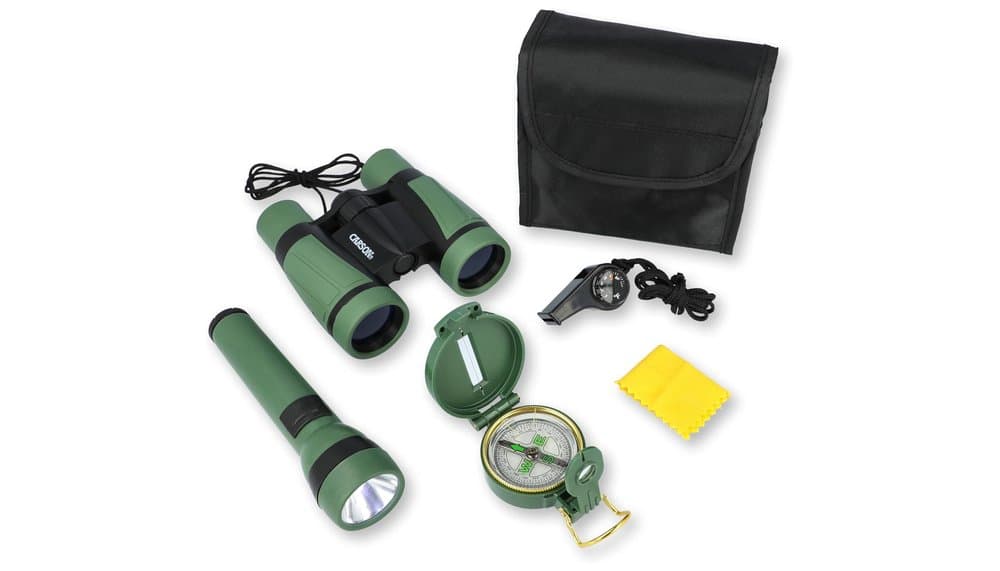
Carson AdventurePak Kids' Exploration Tool Kit Review
Explore nature with this kid's 5-piece tool kit for outdoor adventure and educational discovery. Perfect for young explorers.
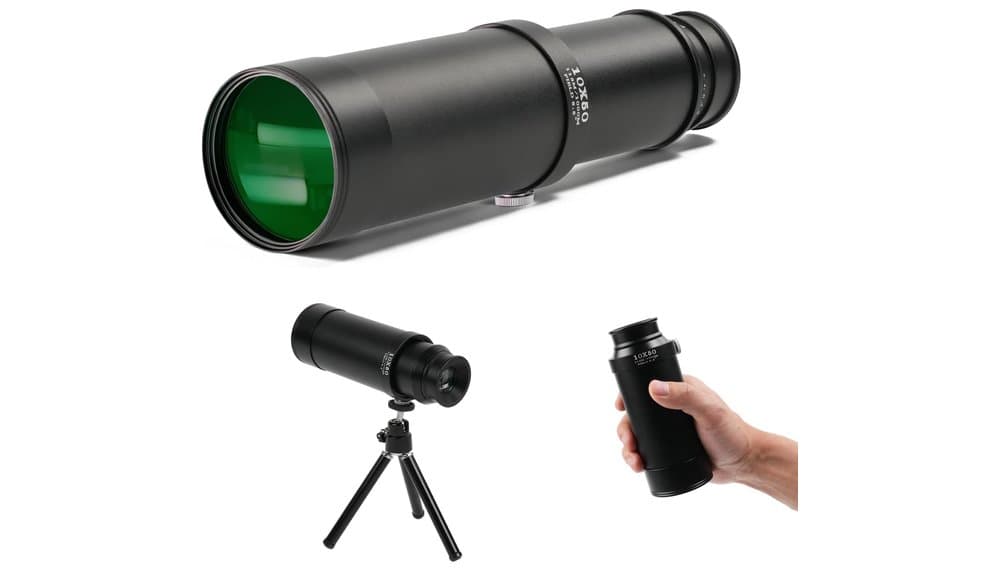
BOSTRON CY 10x50 Monocular Review & Test
Compact 10x50 monocular review: Analyzes optical clarity, field of view & build quality for hiking, nature & astronomy. See its true value.
Guides you might like
WiFi Trail Camera Guide
See wildlife discreetly from your couch! Learn how WiFi trail cameras let you monitor animals without disturbance and how to choose the right one.
Ultimate Travel Telescope Guide
Choose a portable, high-performance travel telescope to explore the universe from your backpack without compromising on essential astronomical views.
Ultimate Guide to Night Vision Binoculars
Choose the perfect night vision binoculars: Gen vs. digital? Unravel the tech to make your nighttime wildlife adventures a total success. Guide inside.