Celestron StarSense Explorer DX 130 Telescope Review
Published on 10 October 2026 · By OptiqueNature
Review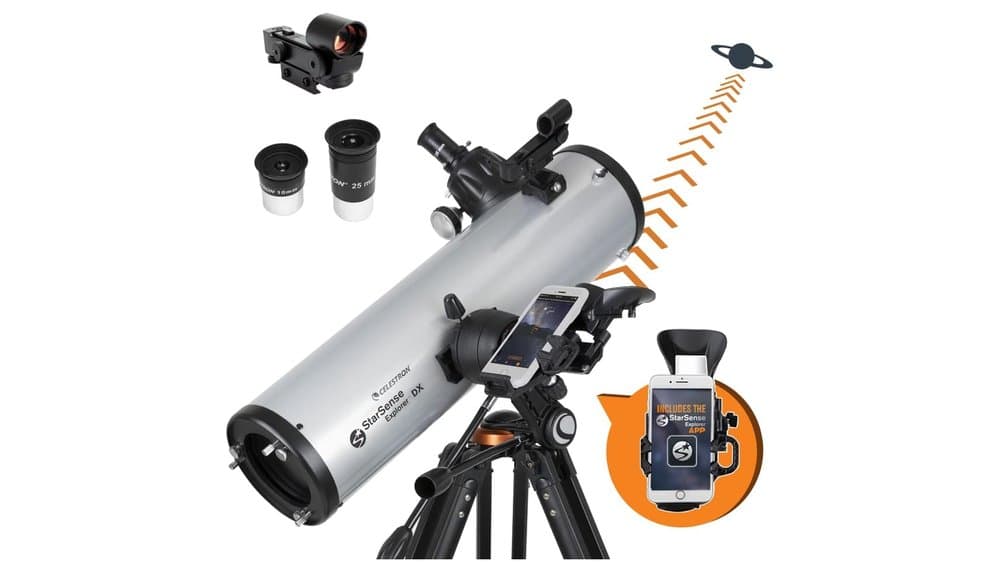
Analysis of the Celestron StarSense Explorer DX 130: Revolution for Beginners or Connected Gadget?
The Celestron StarSense Explorer DX 130 Newtonian Reflector Telescope represents a unique proposition in the beginner telescope market. It fuses the proven optics of a 130mm Newtonian with a smartphone-based guidance technology that promises to demystify celestial navigation. This technical analysis looks at its real-world performance, build, and relevance for the amateur observer, cross-referencing official specifications with expert feedback and user experiences.
Strengths
- Revolutionary StarSense Technology: The proprietary app, using the smartphone's camera to analyze the star field and calculate the telescope's position in real time, is unanimously praised. It transforms locating objects, often the main obstacle for beginners, into a guided and intuitive experience.
- Generous Aperture for the Price: A 130 mm (5.1 inch) primary mirror offers significant light-gathering capability. On paper, this allows access to a vast library of deep-sky objects (clusters, nebulae, galaxies) in addition to solar system planets.
- Almost Non-Existent Learning Curve: The combination of the simple manual altazimuth mount and the visual instructions from the app allows for extremely quick setup. Testers emphasize that one can be operational and observing their first targets in less than 30 minutes.
- Complete Package: The kit comes with essential accessories: two eyepieces (25mm and 10mm), a classic red dot finder (in addition to the app), an adjustable height tripod, and the dedicated smartphone dock.
Weaknesses
- Limited Robustness and Stability: The most recurring criticism concerns the mount and tripod, judged to be lightweight. User feedback notes persistent vibrations after adjustment, which take a few seconds to settle, harming observation comfort at high magnification.
- Entry-Level Optical Quality: Although the aperture is appreciated, the supplied eyepieces (Kellner) are basic. Experts and advanced users quickly recommend replacing them with higher-quality models (Plössl or better) to fully exploit the potential of the optical tube.
- Dependence on a Smartphone and Its Battery: The flagship experience of the product is conditional on owning a compatible smartphone (recent iOS/Android), on calibrating the device, and on its battery life. Significant light pollution can also complicate the app's operation.
- Inherent Newtonian Maintenance: Like any mirror telescope, it may eventually require collimation (mirror alignment). This operation, although simple with practice, can intimidate an uninformed complete beginner.
Detailed Technical Analysis
Optical Quality and Performance
The optical tube is a classic Newtonian reflector with a focal length of 650 mm (f/5). The mirror coatings are XLT (Extra Luminescence Transmission) type, a multi-layer coating of aluminum and silicon dioxide designed by Celestron to maximize reflectivity and contrast. On paper, this translates to high light transmission, essential for an instrument designed for deep-sky astronomy.
The magnification provided by the supplied eyepieces is 26x (25mm) and 65x (10mm). These values are modest but suitable for starting out. Based on feedback, the 25mm is judged decent for wide fields (the Full Moon, open clusters), while the 10mm, at the limit of acceptable quality, allows approaching planets. Experienced users note that the 130mm mirror can support higher magnifications (150x-200x) with better quality eyepieces and good skies, revealing Jupiter's bands or Saturn's rings clearly.
The true field of view depends entirely on the eyepiece used. With the standard 25mm, you get a field of about 1.5°. This is not a wide-field instrument like some short refractors, but it is sufficient to navigate comfortably with the help of the StarSense app.
In comparison with traditional manual Newtonians of the same diameter, the raw optical quality is equivalent. The radical difference lies in the user experience: where a beginner with a 130mm Dobsonian might spend hours searching in vain for the Andromeda Galaxy, the StarSense system guides them directly to the object.
Build and Ergonomics
The manual altazimuth mount is simple, with azimuth and altitude movements adjustable via friction rods. Experts confirm that this simplicity is an asset for reliability and quick setup, but that the lack of fine micro-adjustment controls is felt when re-centering an object at high magnification.
The overall build quality is typical of the entry-level segment. The tube assembly is decent, but the steel tripod is often singled out as the weak point. Its lightness, while appreciated for transport, leads to average stability. One user notes that you must avoid touching the tube during observation and let the vibrations dampen on their own. No official indication mentions waterproofing or fog resistance (not waterproof and not nitrogen-purged), making it strictly an instrument for terrestrial and astronomical use in dry weather.
The telescope is not optimally designed for daytime observation (birds, nature). The absence of a star diagonal and the sometimes uncomfortable focusing position make it impractical for this use. Its domain of excellence remains astronomy.
For eyeglass wearers, the eye relief of the supplied eyepieces is standard (relatively short on the 10mm). It is often necessary to remove glasses to observe comfortably, unless investing in eyepieces with long eye relief.
Value for Money and Use Cases
The Celestron StarSense Explorer DX 130 is positioned at the high end of the beginner segment. Its cost is higher than that of a basic 130mm Newtonian on an equatorial mount, but it includes the StarSense technology.
- For a complete astronomy beginner, frustrated by pointing difficulties, the investment in the guidance system is very justified. It transforms evenings of frustration into immediate success, keeping motivation intact.
- For an amateur on a tight budget prioritizing pure optics, a 150mm Dobsonian (larger mirror for a similar price) will offer better visual performance on deep sky, but without any locating aid.
- Compared to motorized "GoTo" telescopes in a comparable price range, the DX 130 offers an interesting alternative: no motors (thus no risk of mechanical failure or complex calibration), but a pointing assistance almost as effective thanks to the smartphone. It's a clever compromise.
Recommended use cases:
- Fun and educational visual astronomy observation for families or novice adults.
- Guided discovery of deep sky from a site with moderate light pollution.
- Lunar and planetary observation with interesting detail potential thanks to the 130mm diameter.
Non-recommended use cases:
- Deep-sky astrophotography (non-equatorial and non-motorized mount).
- Daytime nature observation (unsuitable ergonomics).
- Users demanding perfect stability without investing in a more robust tripod.
Technical Specifications
| Characteristic | Specification |
|---|---|
| Type | Newtonian Reflector |
| Diameter (Aperture) | 130 mm (5.1") |
| Focal Length | 650 mm |
| Focal Ratio (f/) | f/5 |
| Mount | Manual Altazimuth |
| Tripod | Steel, adjustable height |
| Finder | Red dot StarPointer + StarSense smartphone dock |
| Supplied Eyepieces | 25 mm (26x) and 10 mm (65x) |
| Optical Coatings | XLT coatings (mirrors) |
| StarSense Compatibility | iOS 18+ (iPhone XR/XS and later), Android 12+ |
| Weight (approx.) | 8.2 kg (product only) |
| Warranty | 2 years |
What Users and Experts Say
A synthesis of over 1,450 reviews overall (average rating 4.0/5) and expert analyses reveals clear trends.
Praise is concentrated on the overall experience:
- "Revolutionary for beginners": StarSense technology is described as a "game changer". A seasoned user with 35 years of experience even states that its guidance is more consistently accurate than some high-end motorized GoTo systems they have used.
- "Simple and quick to set up": The majority agree that setup is intuitive. "In 15 minutes, you're ready to observe," summarizes a French owner.
- Optical satisfaction: Many express their wonder at having been able to see Saturn's rings, Jupiter's bands, or the Orion Nebula from the very first nights, highlighting the light-gathering capability of the 130mm.
- "Complete and well-thought-out package": The inclusion of the red dot finder as a backup and the quality of the app (tutorials, night mode) are appreciated.
Criticisms focus on specific hardware points:
- Tripod stability: This is the most frequent negative point. "The adjustment knobs are not easy to use and stability needs improvement," notes one user. Another mentions "vibrations that take a few seconds to settle."
- Perceived fragility: A few isolated but significant reports mention quality control issues, such as a tripod leg breaking on first use or problems with packaging/product exchange.
- Limits of accessories: The supplied eyepieces are often described as "okay to start" but quickly destined for upgrade. Investment in an additional eyepiece (e.g., a 6mm or a quality Barlow) is highly recommended by the community to explore planetary potential.
- Dependence on smartphone: The experience is optimal with a recent smartphone and a good battery. Imperfect calibration can reduce pointing accuracy.
Conclusion
The Celestron StarSense Explorer DX 130 Newtonian Reflector Telescope is not a telescope like the others. It is an intelligent and effective gateway into amateur astronomy.
Its main asset is not exceptional optics (although the 130mm is very respectable) but its guidance ecosystem. It solves the beginner's number one problem: "Where to point to see something interesting?" In this regard, it fully justifies its price positioning compared to a standard Newtonian.
The compromises are known: improvable stability due to an economical mount and tripod, and entry-level eyepieces that will likely need upgrading over time. These limitations are the price to pay for integrating cutting-edge technology into an accessible budget envelope.
Our verdict is clear: it is a strong recommendation for any novice astronomer who wants to maximize their chances of success and enjoyment from the very first nights. For the more experienced observer or purist seeking the best optics for the money, a larger Dobsonian or a model on a more robust mount will be a more relevant choice. The StarSense DX 130 bets everything on the user experience, and on that front, according to the community and experts, it brilliantly succeeds in its gamble.
100% free and independent — All our articles are written independently, without any sponsorship. We may earn a commission on purchases made through our links, at no extra cost to you.
Articles you might like
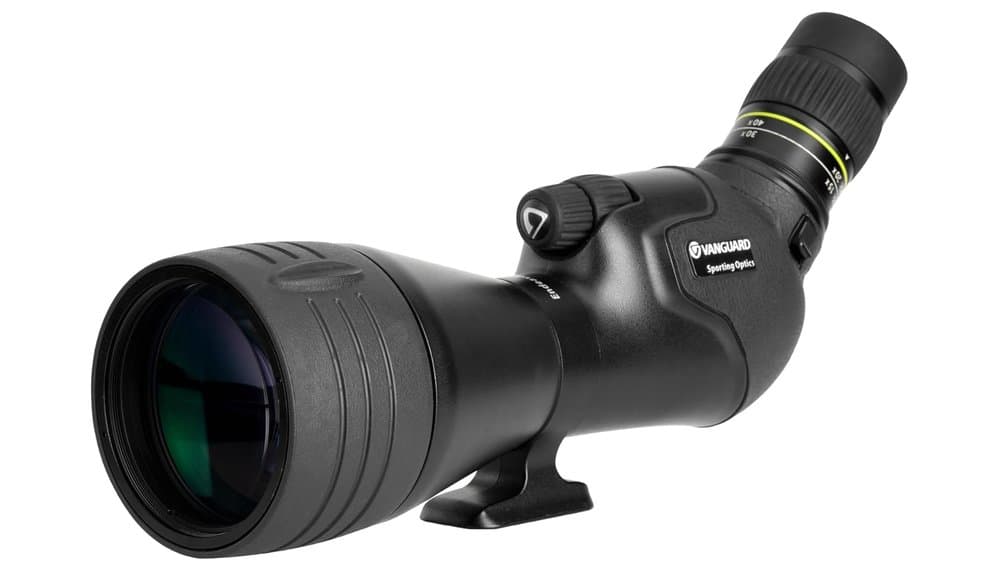
Vanguard Endeavor HD65A Spotting Scope Review
Spotting scope with 65mm ED glass & 15-45x zoom for birding & hiking. Balanced performance & portability for serious nature observers.
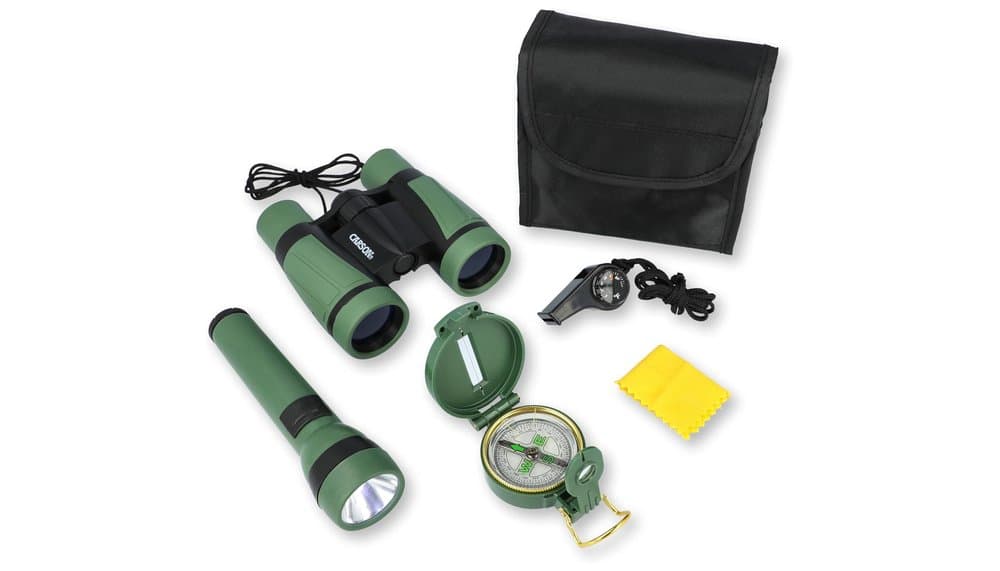
Carson AdventurePak Kids' Exploration Tool Kit Review
Explore nature with this kid's 5-piece tool kit for outdoor adventure and educational discovery. Perfect for young explorers.
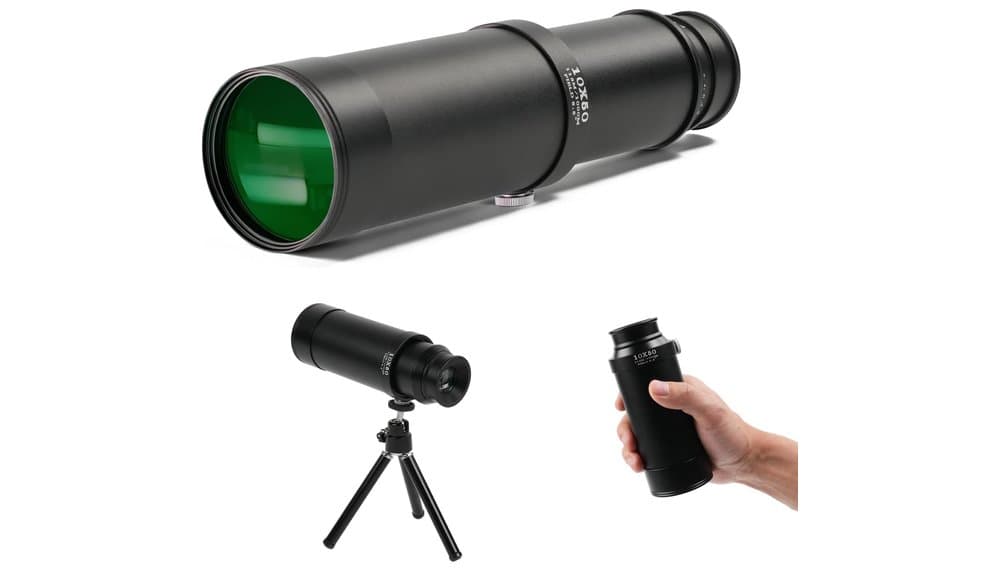
BOSTRON CY 10x50 Monocular Review & Test
Compact 10x50 monocular review: Analyzes optical clarity, field of view & build quality for hiking, nature & astronomy. See its true value.
Guides you might like

WiFi Trail Camera Guide
See wildlife discreetly from your couch! Learn how WiFi trail cameras let you monitor animals without disturbance and how to choose the right one.

Ultimate Travel Telescope Guide
Choose a portable, high-performance travel telescope to explore the universe from your backpack without compromising on essential astronomical views.
Ultimate Guide to Night Vision Binoculars
Choose the perfect night vision binoculars: Gen vs. digital? Unravel the tech to make your nighttime wildlife adventures a total success. Guide inside.