Celestron Nature DX 10x25 Monocular Review
Published on 5 July 2026 · By OptiqueNature
Review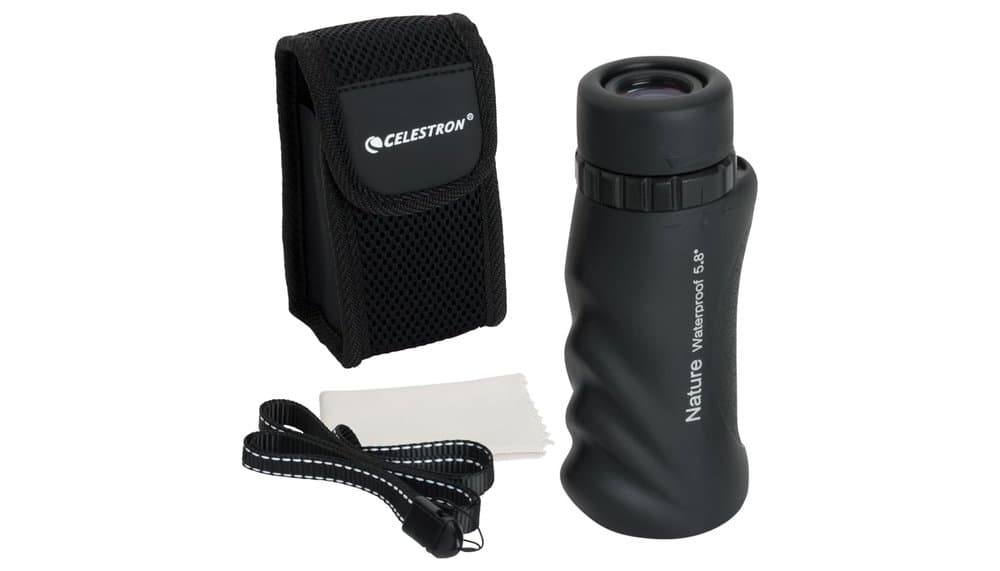
Introduction
In the world of nature observation, the trade-off between performance and portability is a constant quest. The Celestron 71210 Nature DX 10x25 Monocular positions itself as an ultra-compact solution for the hiker, the casual birder, or any observer wanting a discreet tool always within reach. With its 10x magnification and a 25 mm objective lens diameter, it promises notable performance in a pocket-sized format. Here, we analyze its technical characteristics, construction, and value for money based on official specifications and feedback from the user community.
Strengths and Weaknesses
Strengths
- Extreme compactness and lightness: Weighing just 170 grams with its reduced dimensions, it slips into any pocket.
- Robust and weatherproof construction: Its waterproof and fogproof protection make it a reliable ally in all weather conditions.
- Multi-coated optics: The multi-coated lenses improve light transmission and contrast.
- Ergonomic handling: The grooved rubber armor and the one-hand accessible focus wheel are appreciated.
- Good eye relief: The adjustable eyecup accommodates eyeglass wearers.
Weaknesses
- Relatively narrow field of view: Standard for its category but more limited than 8x25 or 10x28 models.
- Limited brightness in low light: The small objective lens diameter and 2.5 mm exit pupil destine it for daytime use.
- Sometimes stiff focus: Several users report a somewhat stiff focus wheel.
- Stability required: The 10x magnification, without support, demands a steady hand.
Detailed Analysis of the Celestron Nature DX 10x25
Optical Performance: Clarity, Light, and Field of View
On paper, the optical specifications of the Nature DX 10x25 fall within the norm for compacts. The 10x magnification is ambitious for such a small format, offering significant subject closeness. The 25 mm diameter objective lens determines the amount of light gathered. Calculating the exit pupil (25/10 = 2.5 mm) and the twilight factor (√(10x25) ≈ 15.8) clearly indicates an instrument designed for daytime use. In full light, performance is optimal, but in dense forest or at dusk, the image will darken faster than with an instrument featuring a larger exit pupil (like an 8x42 with 5.25 mm).
Light transmission is enhanced by the multi-coated treatments on the lenses. According to user feedback, this translates into a sharp, contrasty, and sufficiently bright image for standard daytime use. It is important to note that these are not ED (Extra-low Dispersion) lenses or dielectric-coated prisms, technologies reserved for higher-end models to completely eliminate chromatic aberration and maximize brightness. The performance is therefore excellent for the segment, but unsurprising compared to high-end gear.
The advertised field of view is 5.8° (approximately 304 feet at 1000 yards). This is a perfectly standard, even slightly above average, field for a 10x25. It allows for easy tracking of birds in motion at medium distance, but note that 8x25 models often offer a wider field (over 7°), at the cost of lower magnification. The choice depends on usage: 10x favors detail, 8x favors scanning and stability.
Design, Robustness, and Ergonomics
This is where the Celestron Nature DX seems to score unanimous points. Its waterproof and fogproof construction (nitrogen purged) makes it reliable in damp conditions, an essential feature for an outdoor product. The grooved rubber armor provides a good grip, even in cold or rainy weather, and protects against minor shocks.
Its featherlight weight of 170 g and compact format are its major assets. Testers emphasize that it is truly "always in the pocket", making it an ideal companion for hiking where every gram counts, or as a complement to a more imposing pair of binoculars for quick observation.
The ergonomics are well thought out. The central focus wheel is wide and knurled, allowing for one-handed adjustment. However, the community notes that its action can be a bit stiff, which, paradoxically, prevents accidental adjustments but requires a bit of initial effort. The twist-up eyecup offers three adjustment levels, including one suitable for eyeglass wearers, with an advertised eye relief of 14 mm.
The minimum focusing distance is about 5.5 meters according to the manufacturer. User feedback places it rather between 5 and 8 meters, which remains perfectly adequate for observing insects, flowers, or small birds at short distance.
Recap Technical Specifications
| Specification | Value / Description |
|---|---|
| Model | Celestron 71210 Nature DX 10x25 Monocular |
| Magnification | 10x |
| Objective Lens Diameter | 25 mm |
| Prism | BaK-4 (according to compared spec sheet) |
| Optical Coatings | Multi-coated |
| Field of View | 5.8° (304 ft @ 1000 yds) |
| Exit Pupil | 2.5 mm |
| Twilight Factor | ~15.8 |
| Eye Relief | 14 mm |
| Min. Focus Distance | ~5.5 m (advertised) |
| Waterproofing | Waterproof |
| Fogproofing | Nitrogen Purged |
| Armor | Grooved rubber |
| Diopter Adjustment | On the focus wheel |
| Eyecup | Twist-up with 3 positions |
| Weight | 170 g |
| Included Accessories | Soft case, neck strap, cleaning cloth |
What Users Say: Summary of Reviews
An analysis of hundreds of customer reviews and feedback on specialized forums reveals a very positive consensus, with a high average rating.
Praise mainly focuses on:
- Perceived optical quality: The terms "clear", "sharp", "bright", and "contrasty" are repeated for daytime use. Users are often pleasantly surprised by the sharpness offered at this price and in this format.
- Compactness: This is the key argument. "It's always in my pocket", "ideal for hiking", "you almost forget you have it". Its ease of transport is its number one asset.
- Sturdiness and finish: The waterproofing is appreciated, and the rubber armor gives an impression of robustness and build quality.
- Versatility: It is used for birdwatching, hiking spotting, sport shooting (target verification), sports or cultural events.
The recurring criticisms are fewer but notable:
- Stiffness of the focus wheel: This is the most frequently cited negative point. Several users find the mechanism too stiff, requiring effort to turn.
- Need for stability: The 10x magnification is sometimes considered the limit for handheld use without support. Some would have preferred a more stable 8x for more relaxed use.
- Limitations in low light: As expected from its specs, its performance noticeably decreases at dawn or under very dense forest canopy.
Conclusion: Who is this Monocular for?
The Celestron 71210 Nature DX 10x25 Monocular is not an instrument for serious astronomy or very low-light observation. However, it perfectly fulfills the mission for which it was designed: to be a discreet, solid, and effective optical companion for daytime outdoor activities.
It represents excellent value for money in the entry to mid-range compact monocular segment. It outperforms non-waterproof, poor-optics low-end products and offers a very serious, more portable alternative to compact binoculars in the same configuration.
We warmly recommend it to the hiker who wants to lighten their load, the beginner or casual birder, the traveler seeking a versatile tool, or any nature enthusiast wanting a "second eye" always available. Its minor flaws (stiff wheel, required stability) are largely outweighed by its major strengths: image quality in daylight, waterproofing, and above all, that compactness which makes you take it everywhere, and therefore actually use it.
100% free and independent — All our articles are written independently, without any sponsorship. We may earn a commission on purchases made through our links, at no extra cost to you.
Articles you might like
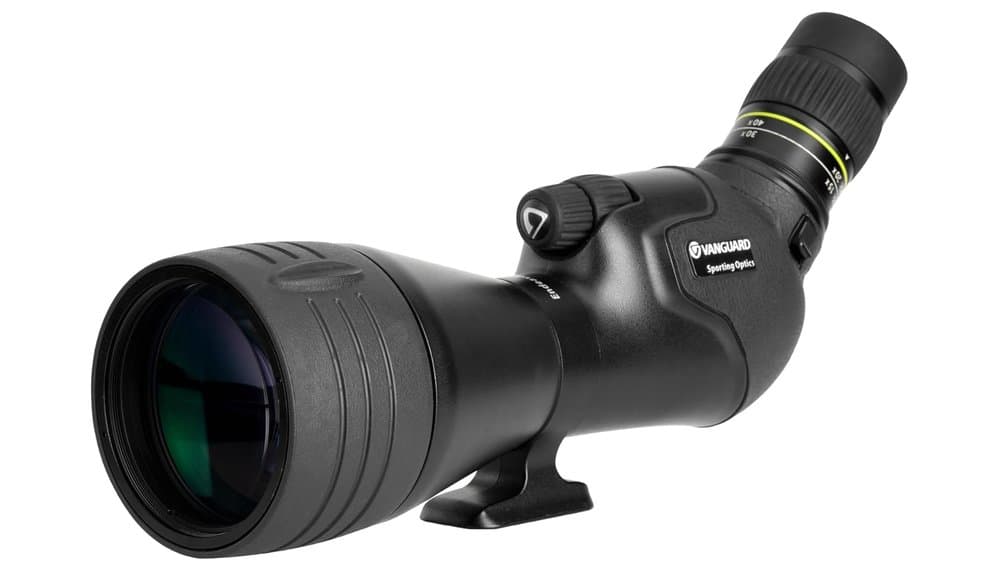
Vanguard Endeavor HD65A Spotting Scope Review
Spotting scope with 65mm ED glass & 15-45x zoom for birding & hiking. Balanced performance & portability for serious nature observers.
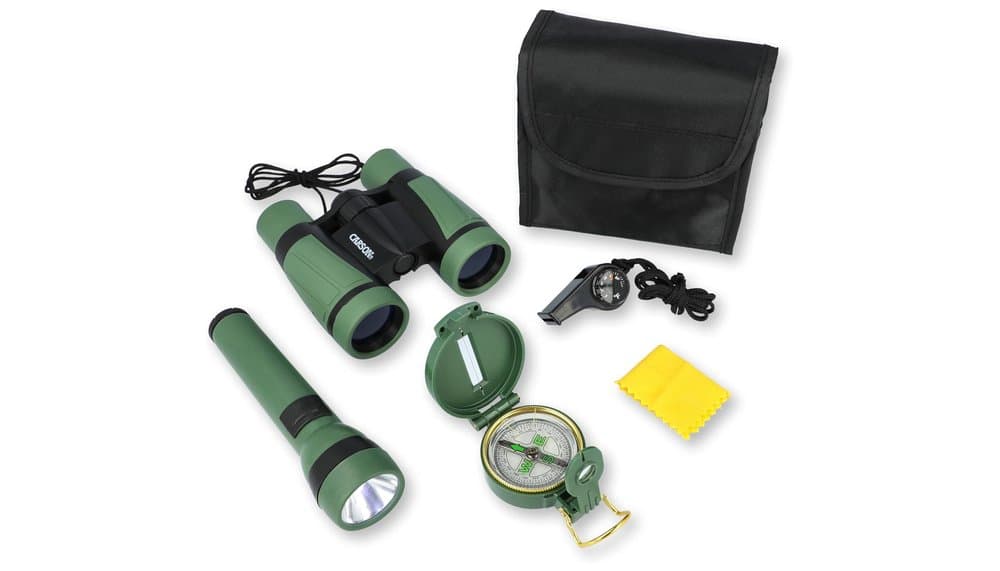
Carson AdventurePak Kids' Exploration Tool Kit Review
Explore nature with this kid's 5-piece tool kit for outdoor adventure and educational discovery. Perfect for young explorers.
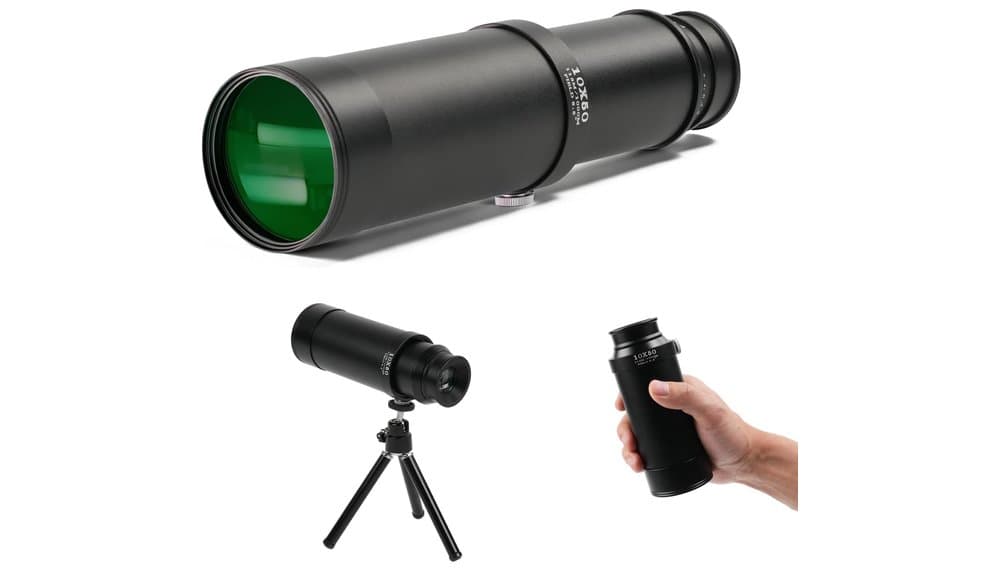
BOSTRON CY 10x50 Monocular Review & Test
Compact 10x50 monocular review: Analyzes optical clarity, field of view & build quality for hiking, nature & astronomy. See its true value.
Guides you might like
WiFi Trail Camera Guide
See wildlife discreetly from your couch! Learn how WiFi trail cameras let you monitor animals without disturbance and how to choose the right one.
Ultimate Travel Telescope Guide
Choose a portable, high-performance travel telescope to explore the universe from your backpack without compromising on essential astronomical views.
Ultimate Guide to Night Vision Binoculars
Choose the perfect night vision binoculars: Gen vs. digital? Unravel the tech to make your nighttime wildlife adventures a total success. Guide inside.