Canon 10x30 IS II Binoculars Review
Published on 20 March 2026 · By OptiqueNature
Review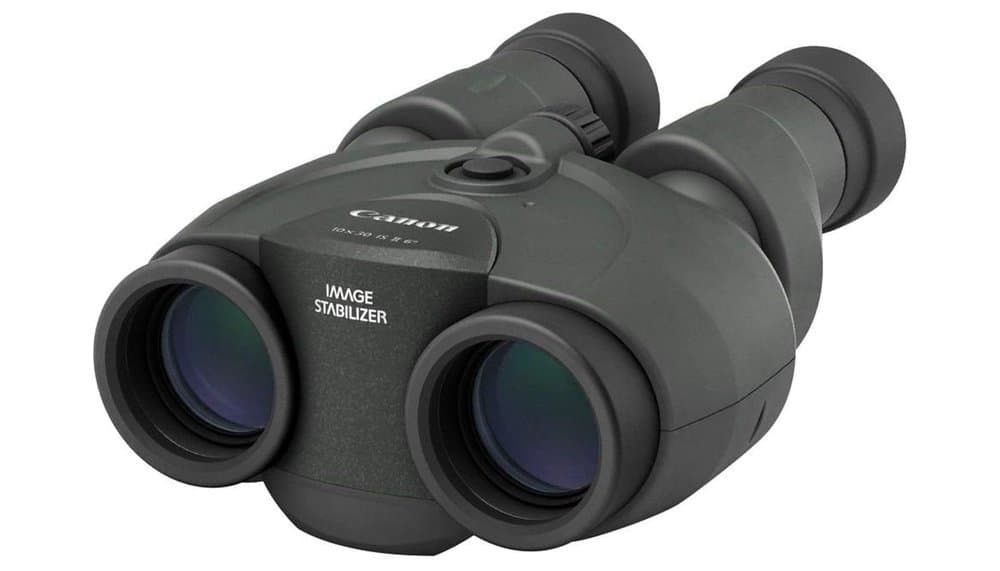
Complete Analysis: Canon 10x30 IS II Stabilized Binoculars
In the landscape of binoculars for nature observation, the promise of a stable image at high magnification is often the holy grail. The Canon 10x30 IS II Stabilized Binoculars offer a unique technological solution in the compact format segment. We will dissect this instrument from every angle: its optical and mechanical performance, its value for money, and its suitability for your needs in the field, all based on technical specifications and cross-referenced feedback from the community and experts.
Strengths and Weaknesses
Strengths
- Revolutionary image stabilization: The second-generation IS system is unanimously praised for its effectiveness, radically transforming the 10x experience.
- Compactness and controlled weight: For stabilized binoculars, their format remains relatively portable for hiking.
- Overall optical quality: The lenses benefit from Canon's expertise, offering a sharp, contrasty image with faithful colors.
- General robustness: The build is perceived as solid and well-made apart from one specific point.
Weaknesses
- Recurring coating problem: A major design flaw, often reported, makes the rubber armor grip sticky and unpleasant to the touch after a few months or years.
- Restricted field of view: Narrower than that of many non-stabilized 10x30 binoculars, which can hinder rapid subject acquisition.
- Cumbersome stabilization interface: Requires holding the button down continuously, which some users find tiring.
- Minimalist accessories: The absence of lens caps, noted by several users, is considered a shortcoming at this price point.
Detailed Analysis
Optical Quality and Performance
On paper, the optical specifications of the Canon 10x30 IS II rely on a Porro II Prism architecture and Super Spectra coating on the lenses. Expert testers confirm that this translates in the field into effective light transmission, good color fidelity, and satisfactory contrast. The presence of Extra-low Dispersion (ED) glass is not mentioned, placing these binoculars in a "very good" rather than "excellent" optical quality category. This manifests as a possible slight presence of chromatic aberrations under high-contrast conditions, but which, according to feedback, remains well-controlled.
The twilight factor of 17.3 (√(10x30)) and the exit pupil of 3 mm indicate binoculars that perform well in daylight, but may show their limits in very low light, typical of dawn or dusk, where a more generous objective diameter (42mm) would be ideal. The strong point lies in the stabilization: activating the IS system greatly reduces shake, allowing for the full exploitation of the 10x magnification and discerning details that would be blurry with conventional binoculars. The minimum focusing distance, around 3 meters according to specifications, is adequate without being exceptional for observing very close insects or flowers.
Design and Handling
The build is overall judged as robust by experts. The waterproof rating is not clearly specified with a standard (like IPX7), but the materials seem to offer good resistance to light weather. The main pitfall, and it's a significant one, is reported by numerous users: the rubber coating on the armor tends, over time and with exposure to sweat or UV rays, to become sticky and degrade. This recurring problem significantly harms the tactile experience and the perception of long-term quality.
From an ergonomic standpoint, the adjustment buttons are well placed. However, the stabilization button, located on the central hinge, requires maintaining constant pressure with the index finger, which can become uncomfortable during prolonged sessions. The eyepieces offer an eye relief of 14.5 mm, which is theoretically sufficient for most eyeglass wearers, but some testers would have preferred larger or softer eyecups for optimal comfort. The interpupillary distance adjustment is sometimes described as a bit stiff.
Value for Money and Use Cases
The Canon 10x30 IS II occupy a specific niche. They do not compete with high-end non-stabilized binoculars in terms of absolute field of view or extreme light transmission. Conversely, their major asset is unmatched in their price segment: active stabilization.
They therefore excel in all scenarios where shake is a limiting factor:
- Birdwatching from a fixed point or while moving slowly.
- Marine observation from a boat, where vibrations are constant.
- Sporting events or outdoor shows for prolonged, detailed observation.
- Light hiking where one wants a versatile and compact tool, with the ability to identify details at a distance without needing to rely on a support.
For basic astronomy (lunar observation, star clusters), stabilization is a plus, but the 30mm diameter limits light-gathering capability for faint objects.
Technical Specifications
| Characteristic | Detail |
|---|---|
| Magnification | 10x |
| Objective Lens Diameter | 30 mm |
| Prism | Porro II |
| Optical Coating | Super Spectra |
| Image Stabilization | Yes, 2nd gen. optical system (IS) |
| Field of View at 1000m | Approximately 96 m (typical range data) |
| Exit Pupil | 3.0 mm |
| Minimum Focusing Distance | ~ 3.0 m |
| Eye Relief | 14.5 mm |
| Gas Filling / Waterproofing | Not specified (weather resistant) |
| Power Source | 2 AA batteries |
| Weight | 600 g |
| Dimensions | 127 x 70 x 150 mm |
What Users and Experts Say
Feedback from both enthusiasts and specialized testers paints a strong consensus.
The stabilization is highly praised. Terms like "spectacular," "a revolution," or "indispensable" constantly recur. Users describe a "night and day" difference, allowing them to see sharp details that would otherwise be blurry. The image quality when stable is also praised, described as "clear," "bright," and "faithful."
However, two recurring and severe negative criticisms emerge:
- The rubber coating problem: Numerous reviews, over several years, denounce a material that "becomes sticky," "degrades," "melts," or is "disintegrating" after one to two years of normal use. This point is considered an unacceptable design flaw for a brand like Canon.
- The stabilization mechanism: The need to hold the button down is a source of fatigue for some, who would have preferred a temporary lock system.
Other positive remarks include good battery life and compactness. Criticisms concern the field of view deemed a bit "tight," the lack of included lens caps, and for a few, eyecup comfort that could be improved for eyeglass wearers.
Conclusion
The Canon 10x30 IS II Stabilized Binoculars are a product with two faces. On one hand, they offer a decisive technological advantage with image stabilization so effective that it fundamentally alters the 10x magnification experience, particularly for observers suffering from shake or in unstable conditions. Their optical formula is coherent and offers a beautiful image.
On the other hand, they are marred by a persistent manufacturing defect concerning their coating, which poses a real risk to their long-term durability and daily enjoyment. This point cannot be ignored.
Our analysis concludes that these binoculars are a strong recommendation on one condition: that the user is willing to manage or overlook the potential rubber degradation, because the benefit provided by the stabilization is, for many, transformative. For those primarily seeking a stable image in a portable format and who mainly use their binoculars in occasional sessions, they remain a remarkable tool. For optical purists or those demanding impeccable long-term material reliability, hesitation is understandable. They are not universal binoculars, but for their primary use case, they are hard to beat.
100% free and independent — All our articles are written independently, without any sponsorship. We may earn a commission on purchases made through our links, at no extra cost to you.
Articles you might like
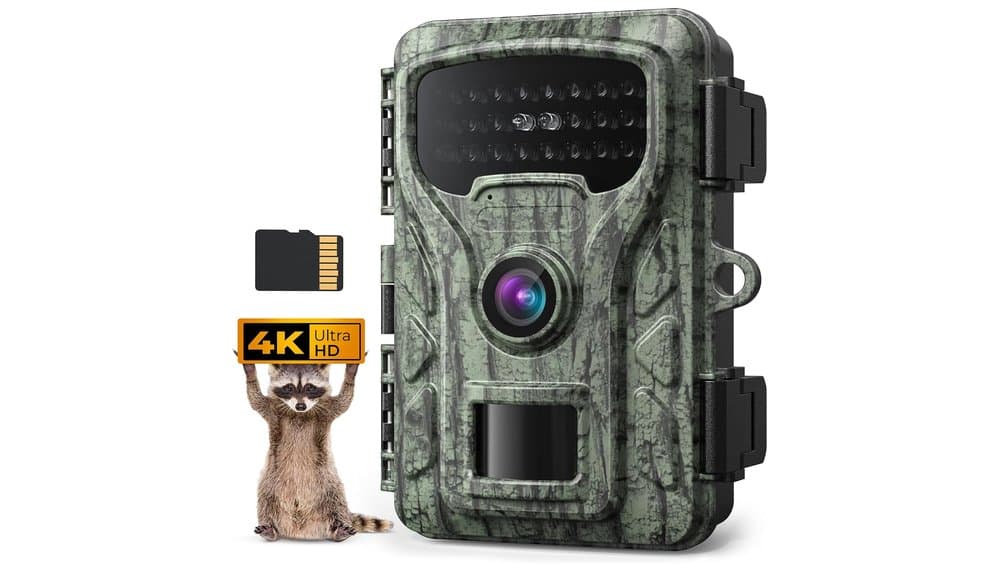
Caytail 4K 48MP Hunting Camera Review & Test
In-depth review of the Caytail 4K 48MP trail camera with included SD card. We analyze specs and real user feedback on its true field performance.
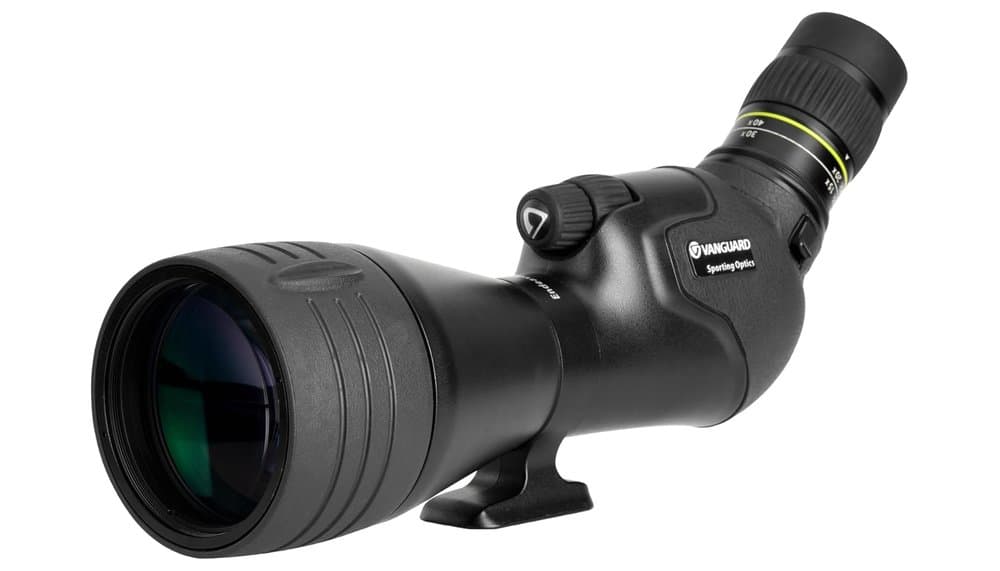
Vanguard Endeavor HD65A Spotting Scope Review
Spotting scope with 65mm ED glass & 15-45x zoom for birding & hiking. Balanced performance & portability for serious nature observers.
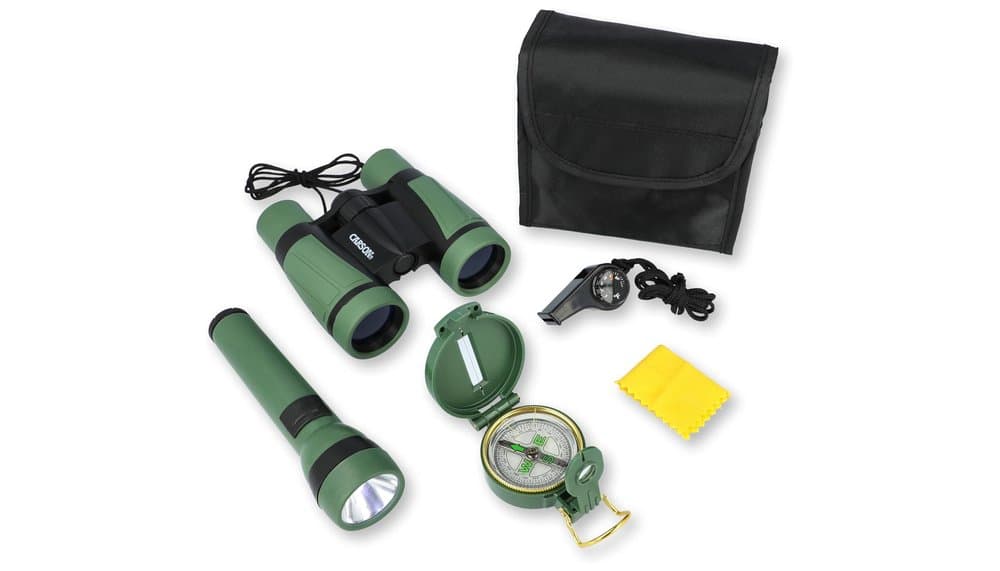
Carson AdventurePak Kids' Exploration Tool Kit Review
Explore nature with this kid's 5-piece tool kit for outdoor adventure and educational discovery. Perfect for young explorers.
Guides you might like
WiFi Trail Camera Guide
See wildlife discreetly from your couch! Learn how WiFi trail cameras let you monitor animals without disturbance and how to choose the right one.
Ultimate Travel Telescope Guide
Choose a portable, high-performance travel telescope to explore the universe from your backpack without compromising on essential astronomical views.
Ultimate Guide to Night Vision Binoculars
Choose the perfect night vision binoculars: Gen vs. digital? Unravel the tech to make your nighttime wildlife adventures a total success. Guide inside.