Bresser Pirsch 8x56 Phase Coating Binoculars Review
Published on 26 September 2026 · By OptiqueNature
Review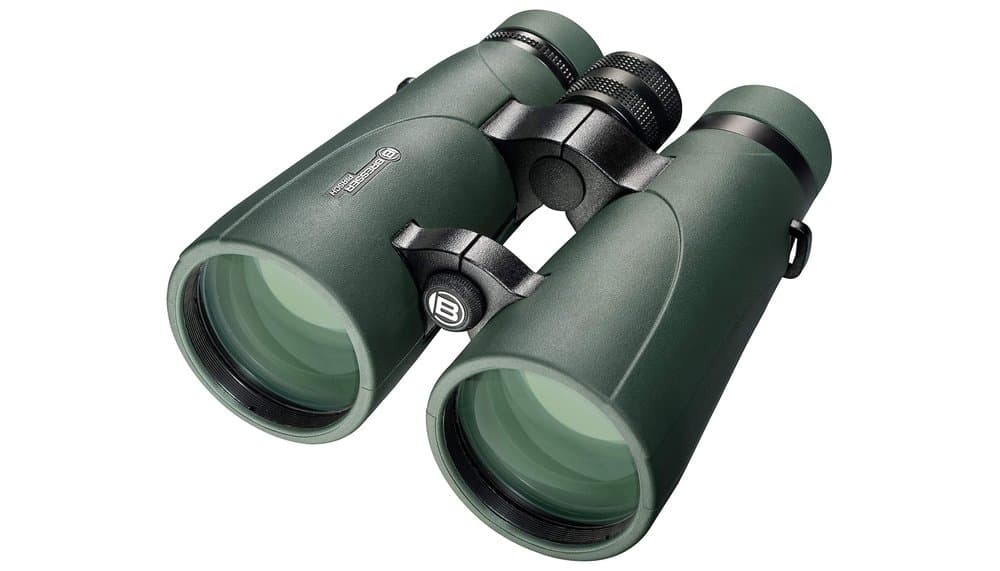
Comprehensive Analysis: Bresser Pirsch 8x56 Phase Coating Binoculars
Delving into the world of twilight observation requires an instrument tailored for performance in low light. The Bresser Pirsch 8x56 Phase Coating binoculars clearly present themselves as a tool specialized for this niche. With their specific optical configuration (8x56), they promise exceptional clarity when light is scarce. But does this specialization come at a cost in terms of versatility and ergonomics? We investigate by cross-referencing technical specifications, expert feedback, and community reviews.
Strengths and Weaknesses
Strengths
- Exceptional low-light performance, thanks to the large objective lens diameter (56 mm) and phase coating.
- Superior sharpness and contrast compared to entry-level models, with an image perceived as very "clean".
- Robust and waterproof construction, suitable for wet outdoor conditions and temperature changes.
- Good comfort for eyeglass wearers with the Twist-Up eyecups.
- Attractive price/performance ratio for accessing advanced optical technologies.
Weaknesses
- Significant weight and bulk (969 g), not well-suited for long hikes or prolonged handheld use.
- Relatively restricted field of view for the category, limiting the tracking of moving subjects.
- Less versatile design, oriented towards static or semi-static observation sessions.
- Absence of Extra-low Dispersion (ED) glass in this version, which can allow some chromatic aberrations to appear in high-contrast conditions.
Detailed Analysis
The Optical Promise: Twilight Performance Above All
At the heart of the Bresser Pirsch 8x56 argument lies an optical formula dedicated to light gathering. The 7 mm exit pupil diameter (56/8=7) is the key indicator. This is a generous value that far exceeds the dilation capacity of the average human pupil in daylight (about 2-3 mm), but becomes a major asset at dawn, dusk, or under dense forest cover. In theory, the larger the exit pupil, the brighter the perceived image under these conditions.
This advantage is reinforced by two key technologies: BaK-4 glass prisms and phase coating (Phase Coating). BaK-4 prisms, of higher quality than common BK-7, minimize light loss and improve sharpness to the edge of the image. Phase coating, often reserved for mid and high-end ranges, corrects an optical defect inherent to roof prisms that degrades resolution and contrast. According to expert testers, this combination translates into an image that is brighter, with better sharpness and increased contrast compared to models without these coatings. Light transmission, although not precisely quantified by the manufacturer, is advertised as "maximum," which user reviews seem to confirm for low-light conditions.
The compromise in this quest for light lies in the field of view. Advertised at 114m at 1000m (approximately 6.5°), it is relatively standard for an 8x56, but appears narrow compared to modern 8x42 models that can reach 130m at 1000m. This means panoramic observation or tracking a bird in rapid flight are not the strong points of these binoculars. Their vocation is rather the detailed and patient observation of an animal from a hide.
Construction and Ergonomics: Solid, but Heavy
The specifications announce a waterproof and nitrogen-purged housing, protecting it from internal fogging and bad weather. The rubber armor offers a good grip and protection against minor shocks. The community agrees that the finish is solid and inspires confidence for use in natural environments.
Ergonomics, however, is the point where opinions diverge the most, and this is directly related to the format. With a weight of 969 grams and generous dimensions, the Bresser Pirsch 8x56 require effort to be held perfectly steady for long periods. Testers emphasize that their use is greatly facilitated with support (a stick, rest, or even a simple tree). For a static observation session from a hide or fixed post, this weight is not a problem. For active birdwatching walks, it can become a constraint.
The Twist-Up eyecups with two positions are unanimously praised. They adjust easily and allow eyeglass wearers to enjoy the full field of view without vignetting. The minimum focusing distance of about 3.5m (estimated from feedback) also makes them suitable for observing insects or nearby flora.
Value Comparison: Where Do They Stand?
The Bresser Pirsch 8x56 Phase Coating occupy an interesting position on the chessboard. They clearly place themselves above entry-level models (often without phase coating and with BK-7 prisms) due to their low-light optical performance and finish.
Compared to mid-range models from other brands in an 8x42 configuration, they offer an undeniable light advantage under specific conditions (twilight), but at the expense of weight, bulk, and often field width. They are therefore not "better," but different and specialized.
Compared to premium models (Swarovski, Zeiss, Leica) in 8x56, they offer a similar technological approach (phase coating, BaK-4) for a fraction of the price, likely making concessions on the absolute quality of the glass, multi-coatings, and internal reflection treatment. A user who compared them with older Swarovski models notes a very close image quality, with only a hint more chromatic aberration, which is a significant compliment.
Technical Specifications
| Characteristic | Detail |
|---|---|
| Model | Bresser Pirsch 8x56 Phase Coating |
| Configuration | 8x56 (Magnification x Objective Lens Diameter) |
| Prism | Roof (Roof Prism) |
| Prism Coating | Phase Coating and multi-layer coating |
| Prism Material | BaK-4 Glass |
| Field of View | 114 m at 1000 m (≈ 6.5°) |
| Exit Pupil | 7.0 mm (Calculation: 56/8) |
| Twilight Factor | 21.2 (Calculation: √(8x56)) |
| Minimum Focus Distance | ~ 3.5 m (estimated from feedback) |
| Diopter Adjustment | Present on the right eyepiece |
| Eyecups | Twist-Up with 2 positions (with/without glasses) |
| Waterproofing | Yes, nitrogen purged |
| External Coating | Rubber |
| Dimensions (L x W x H) | 166 x 147 x 66 mm |
| Weight | 969 g |
| Box Contents | Binoculars, case, strap, cleaning cloth, lens caps, manual. |
What Users and Testers Say
The synthesis of over 135 reviews (average rating 4.4/5) and expert web analyses reveals very clear trends.
The recurring positive points are:
- Brightness and clarity in low light: This is the key argument. Users describe them as "excellent at dusk," "bright," and "perfect for hunting from a hide." The image is described as "clear," "sharp," and "contrasty."
- Price/performance ratio: The majority of comments praise the performance offered for the price. Access to technologies like phase coating is particularly appreciated.
- Finish and solidity: The housing is perceived as well-finished, robust, and offering a good grip. The waterproofing inspires confidence.
- Comfort with glasses: The Twist-Up system is simple and effective, allowing observation without discomfort for eyeglass wearers.
The points of caution or criticism focus on:
- Weight and size: This is the most frequently cited flaw. Terms like "heavy," "bulky," or "penalizing for prolonged handheld use" regularly reappear. These binoculars are clearly identified as designed for rather static or assisted use.
- Field of view: Some users accustomed to more modern 8x42 models find the field "a bit narrow."
- Optical qualities in full light: While their twilight performance is praised, their behavior in full daylight, against reflections or backlighting, can reveal limitations, with mentions of internal reflections ("milky") or slight chromatic aberrations, as noted by a German user. This is consistent with the absence of ED glass in their design.
A notable experience, reported by a user, is the direct comparison with high-end Swarovski models. She observes an image quality described as "simply superb" and "stunning," very close to that of the Austrian references, despite a much lower price, thus confirming the good positioning of this model.
Conclusion: Who Are They For?
The Bresser Pirsch 8x56 Phase Coating are not universal all-terrain binoculars. Their profile is that of a specialized tool for observation in difficult lighting conditions. They excel when most other binoculars begin to struggle.
We recommend them without reservation for:
- Observers of nocturnal or twilight wildlife (badgers, wild boars, nocturnal raptors).
- Stalking (pirsch), the discipline for which they are named.
- Casual astronomical observation of large sky objects (star clusters, the Milky Way).
- Observation sessions from a fixed point (hide, observation post, garden).
However, we advise against them for:
- Long hikes where their weight will be a burden.
- Active field ornithology (birds in flight, dense forest) where the limited field of view and bulk will be penalizing.
- Users seeking a versatile, everyday pair.
In summary, if your priority is low-light performance on a controlled budget, and you can accommodate their imposing format, the Bresser Pirsch 8x56 Phase Coating constitute a very pertinent technical choice and a serious alternative to much more expensive models. It's a targeted investment for enthusiasts who know exactly under which conditions they will use them.
100% free and independent — All our articles are written independently, without any sponsorship. We may earn a commission on purchases made through our links, at no extra cost to you.
Articles you might like
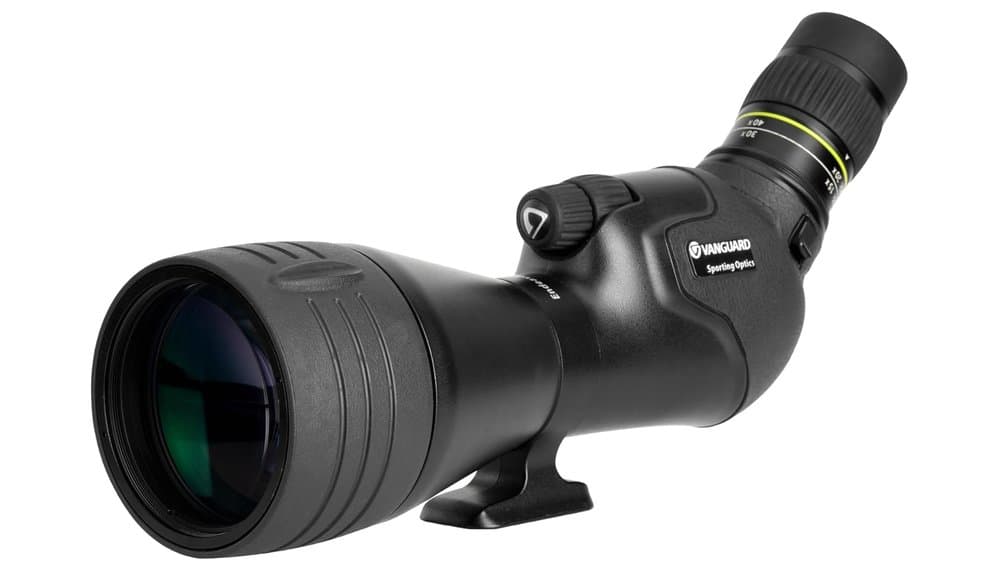
Vanguard Endeavor HD65A Spotting Scope Review
Spotting scope with 65mm ED glass & 15-45x zoom for birding & hiking. Balanced performance & portability for serious nature observers.
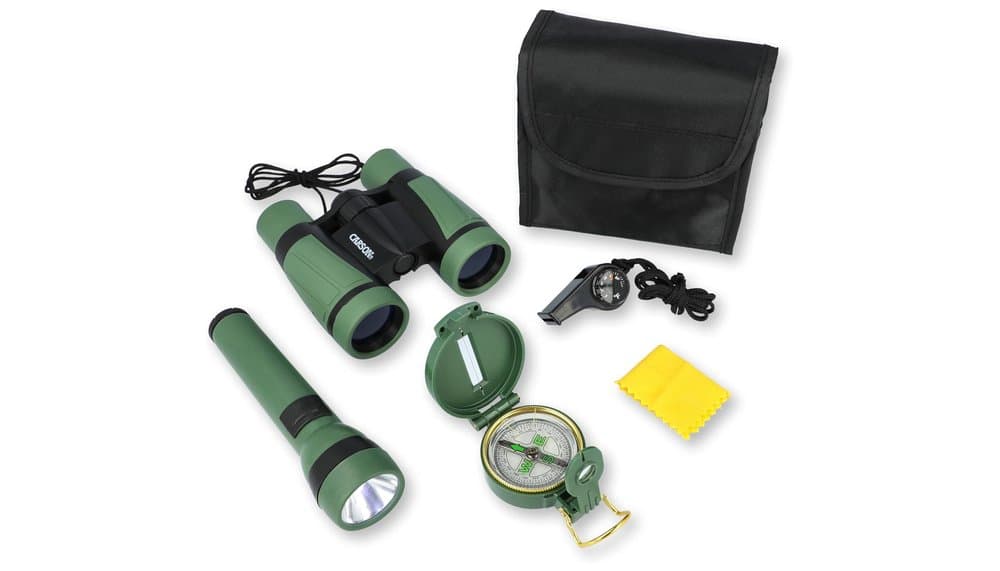
Carson AdventurePak Kids' Exploration Tool Kit Review
Explore nature with this kid's 5-piece tool kit for outdoor adventure and educational discovery. Perfect for young explorers.
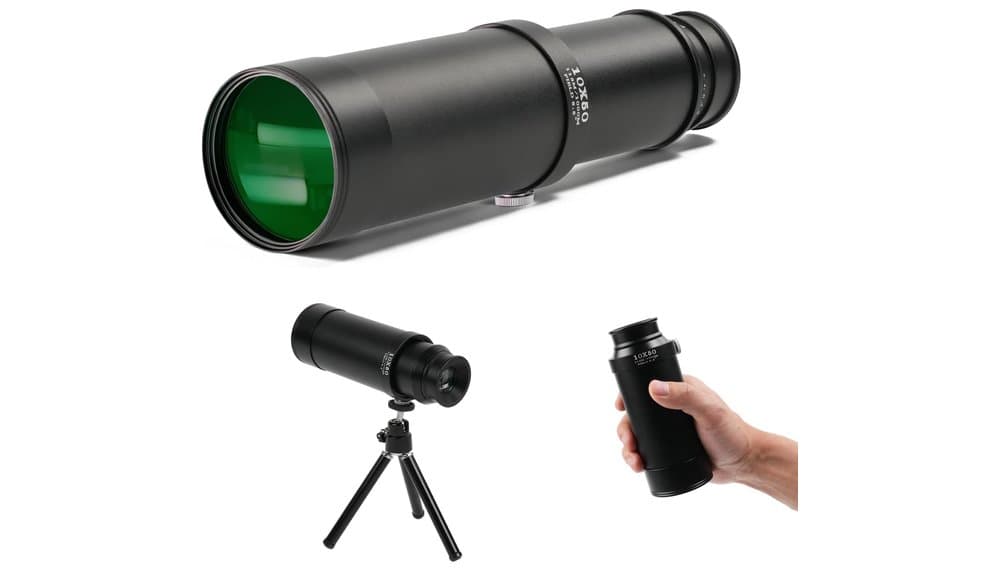
BOSTRON CY 10x50 Monocular Review & Test
Compact 10x50 monocular review: Analyzes optical clarity, field of view & build quality for hiking, nature & astronomy. See its true value.
Guides you might like
WiFi Trail Camera Guide
See wildlife discreetly from your couch! Learn how WiFi trail cameras let you monitor animals without disturbance and how to choose the right one.
Ultimate Travel Telescope Guide
Choose a portable, high-performance travel telescope to explore the universe from your backpack without compromising on essential astronomical views.
Ultimate Guide to Night Vision Binoculars
Choose the perfect night vision binoculars: Gen vs. digital? Unravel the tech to make your nighttime wildlife adventures a total success. Guide inside.