ARPDJK Compact Binoculars Review and Test
Published on 28 July 2026 · By OptiqueNature
Review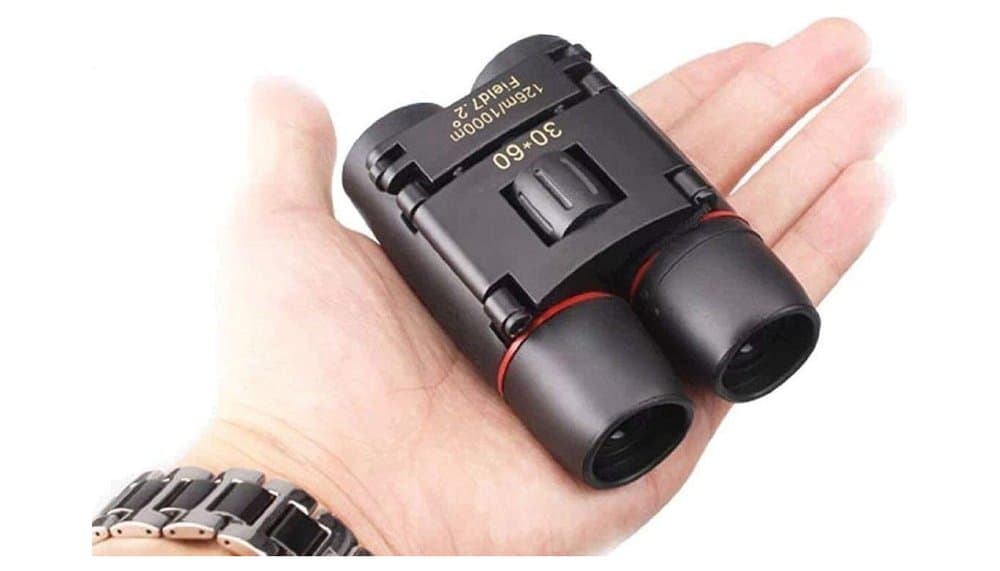
Introduction
The ARPDJK Compact Small Binoculars 30x60 present themselves as an intriguing product, promising high power in a miniature, foldable format. On our nature observation-focused website, we systematically evaluate the alignment between marketing promises and technical and practical reality. Here, the model name, which suggests 30x magnification, immediately contradicts the detailed technical specifications, which indicate an 8x21 format. This analysis will separate fact from fiction, based on construction characteristics, objective optical performance, and feedback from the user and observer community. The goal is to determine the real place of these binoculars in the ecosystem of observation tools.
Key Strengths
Based on user feedback and technical analysis, the main strengths of the ARPDJK 30x60 are clear and recurring.
Exceptional compactness and lightness. This is the unanimously praised point. Testers emphasize that these binoculars, once folded, fit in the palm of a hand and slip effortlessly into a jacket pocket or a small bag. Their featherweight (approximately 180g with the case) naturally destines them for activities where every gram counts, like light hiking or as a backup pair to always have on hand.
An excellent size/utility ratio for basic use. For a modest sum, the user gets an instrument that effectively allows seeing things "larger" and farther away. The community notes that for casual observations - glancing at a landscape, identifying a distant monument, or roughly following a sporting event - they fulfill their purpose. The included case and cleaning cloth are seen as appreciated bonuses for protection.
Construction robustness exceeding expectations for the category. Contrary to what one might fear for a product at this price, feedback often mentions decent finishing. The hinges of the folding system and the central focus wheel are described as functional and without excessive play, offering a sense of solidity that surpasses that of a mere toy.
Weak Points
The limitations of the ARPDJK 30x60 are just as pronounced and directly linked to its design compromises and misleading marketing specifications.
Very limited optical performance. This is the core of the problem. The "30x60" designation is factually incorrect; it is an 8x21 model. On paper, the specs announce a field of view of 126m at 1000m (7.2°), which is very narrow and makes locating and tracking a subject, like a bird in flight, difficult. The 2.63 mm exit pupil is small, resulting in a dim image as soon as light levels drop, despite the basic multi-coated lenses. Experts highlight the marked presence of chromatic aberrations (color fringing), a lack of sharpness at the edges of the image, and perceptible distortion.
Discomfort for eyeglass wearers and during prolonged use. The eye relief is very short, estimated at about 5 mm based on expert tests. This forces eyeglass wearers to remove their glasses to use the binoculars or accept a significant loss of the field of view. Several customer reviews mention eye strain, even headaches, after a few minutes of use, attributable to these optical constraints.
Complete lack of waterproofing. The product is clearly indicated as "Not Water Resistant". It cannot withstand rain, high humidity, or thermal shocks that cause internal fogging. This drastically limits its use in demanding outdoor conditions or in marine environments.
Detailed Analysis by Criterion
Optical Quality and Field Performance
The ARPDJK binoculars rely on a Porro prism system, classic in the entry-level segment. There is no mention of ED (Extra-low Dispersion) glass to reduce chromatic aberrations, nor phase coatings or dielectric prisms, technologies reserved for higher segments. The coatings are described as "multi-coated," which usually indicates one or more basic layers on some lenses, marginally improving light transmission compared to bare glass.
The twilight factor (square root of 8x21 ≈ 12.96) and the small exit pupil confirm that these binoculars are designed for daytime use. The claim of "low-light night vision" should be understood as use at dusk, but certainly not in darkness. For birdwatching, the narrow field of view and the relatively distant minimum focusing distance (about 5 meters according to experts) are serious handicaps for tracking lively birds or observing nearby details. For astronomy, only the Moon and the brightest star clusters will be discernible, with low-contrast images.
Construction and Ergonomics
The ABS plastic construction is logical for the weight and price. Rubber armor is absent; grip therefore depends on the texture of the plastic, which users generally find secure enough for this compact format. The central focus wheel is judged sufficiently precise for the performance level.
The featherweight is an undeniable ergonomic advantage for transport but can become a drawback in use: excessive lightness can amplify natural hand tremors, making the image unstable at high magnification (or even at 8x without support). The extreme compactness comes at the cost of very small eyepieces, which contributes to the eye relief problem and overall comfort.
Value for Money and Positioning
It is crucial to place the ARPDJK Compact Small Binoculars 30x60 in the competitive landscape.
- Budget segment (low-end): This is precisely where they belong. They offer an ultra-compact and foldable alternative to more traditional entry-level 8x25 or 10x25 binoculars (which are often slightly better optically). Their value lies almost exclusively in their format.
- Mid-range segment: No comparison is possible. Mid-range binoculars offer optics with better coatings, a wider field of view, nitrogen waterproofing (waterproof and fog-proof), and far superior comfort. The performance difference is vast.
- Premium segment: Not applicable. Premium compact binoculars (e.g., 8x20/10x25 models from reputable optical brands) are precision instruments, equipped with high-level optics and waterproof construction, for a demanding audience.
For a child discovering observation or an adult wanting a "disposable" pair to leave in the glove box without fear of losing or damaging it, they can make sense. For a birdwatcher, a serious hiker, or a wildlife enthusiast, they constitute a limiting and potentially frustrating choice.
Technical Specifications
| Criterion | ARPDJK "30x60" Specification |
|---|---|
| Actual Designation | 8 x 21 |
| Prisms | Porro |
| Optical Coatings | Multi-coated |
| Field of View at 1000m | 126 m / 7.2° |
| Exit Pupil | 2.63 mm |
| Eyepiece Diameter | Not specified (very small) |
| Minimum Focus Distance | ~ 5 meters (expert estimate) |
| Eye Relief | ~ 5 mm (expert estimate) |
| Waterproofing / Fog-proofing | No (Not Water Resistant) |
| Body Material | ABS Plastic |
| Weight | ~ 180 g (with case) |
| Dimensions (folded) | ~ 9 x 6 x 4 cm |
What Users Say
The synthesis of 328 customer reviews (average rating 4.1/5) and expert analyses reveals clear and often polarized trends.
The recurring positive points revolve around basic use and format. The words "compact", "light", "practical", and "value for money" are omnipresent in 4 and 5-star comments. Satisfied users describe them as ideal for tourist "safaris," light hiking, or as a first instrument for a child. Phrases like "great for the price", "slips into a pocket", and "you can see very far" (in a context of non-demanding use) summarize this sentiment.
The critical negative points highlight the technical limits. Several 1 or 2-star reviews denounce a "very restricted field of view" and an "unstable" image. The discomfort for eyeglass wearers is explicitly mentioned ("to be used without glasses"). Most striking is the complaint about eye strain: "after a few minutes of use, leaves eyes sore". Some customers feel misled by the "30x60" designation, expecting much higher power. Experts, for their part, are blunt: they describe the marketing specs as "misleading" and the product as an "entry-level choice" acceptable only as an "optical toy" or backup device.
The divergence of opinion is entirely explained by the level of expectation. Casual users find a fun and practical tool. Slightly more knowledgeable observers or those with specific needs (wearing glasses, prolonged observation) come away disappointed.
Conclusion
The ARPDJK Compact Small Binoculars 30x60 are a product with two faces. On one hand, they deliver on their main promise: being extremely compact, lightweight, and affordable pocket binoculars. For very occasional, tourist use, or as a discovery tool for a child, they may suffice. Their folding format and negligible weight are their true assets.
On the other hand, their misleading name "30x60" should be forgotten: they are 8x21 binoculars with very modest optical performance. The narrow field of view, small exit pupil, insufficient eye relief for glasses, and complete lack of waterproofing make them an instrument unsuitable for serious nature observation practice, whether it's birdwatching, demanding hiking, or any activity where image quality, comfort, and reliability matter.
Our analysis concludes that these binoculars occupy a very specific niche: that of an ultra-disposable backup pair, or a first low-cost instrument. As soon as the need becomes a bit more regular or technical, it is recommended to consider a more conventional entry-level model (in 8x25 or 10x25, or even compact 8x20) from specialized brands, which will offer a clear improvement in terms of comfort, brightness, and field of view for a slightly higher investment.
100% free and independent — All our articles are written independently, without any sponsorship. We may earn a commission on purchases made through our links, at no extra cost to you.
Articles you might like
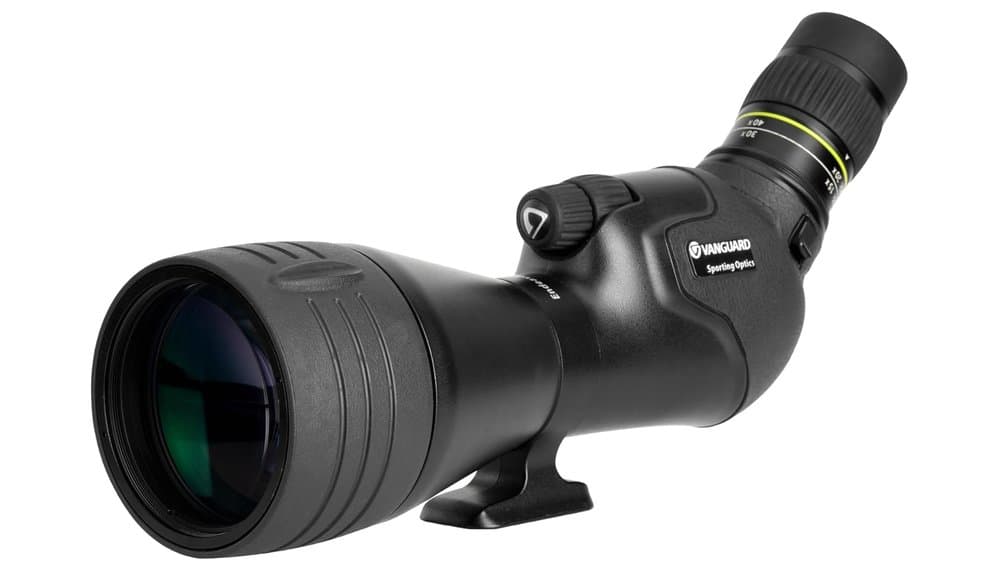
Vanguard Endeavor HD65A Spotting Scope Review
Spotting scope with 65mm ED glass & 15-45x zoom for birding & hiking. Balanced performance & portability for serious nature observers.
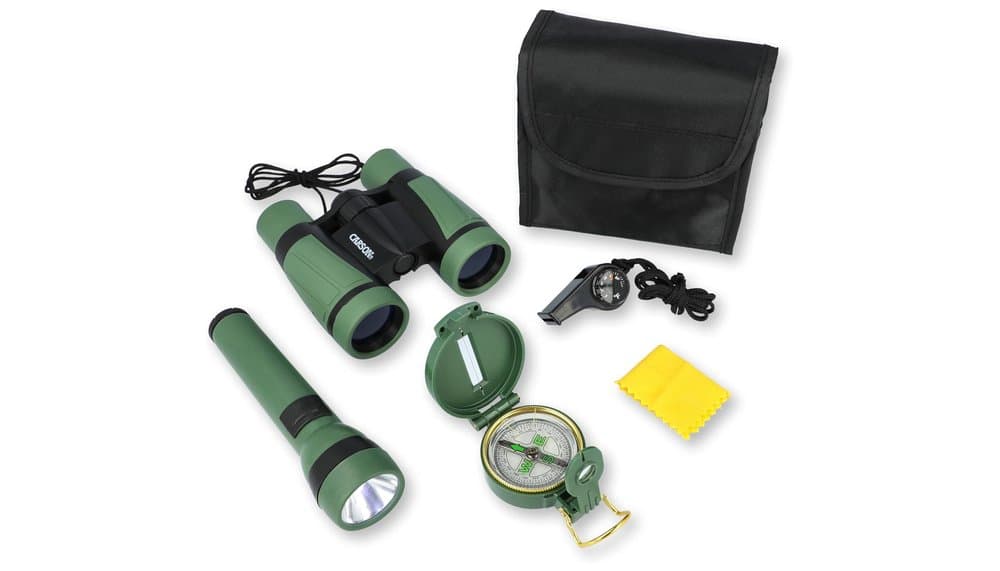
Carson AdventurePak Kids' Exploration Tool Kit Review
Explore nature with this kid's 5-piece tool kit for outdoor adventure and educational discovery. Perfect for young explorers.
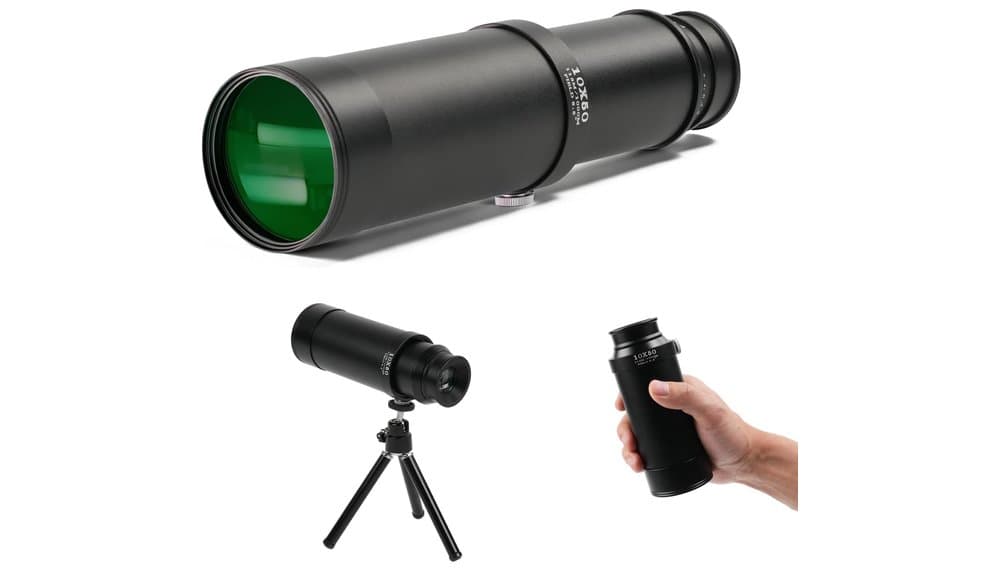
BOSTRON CY 10x50 Monocular Review & Test
Compact 10x50 monocular review: Analyzes optical clarity, field of view & build quality for hiking, nature & astronomy. See its true value.
Guides you might like
WiFi Trail Camera Guide
See wildlife discreetly from your couch! Learn how WiFi trail cameras let you monitor animals without disturbance and how to choose the right one.

Ultimate Travel Telescope Guide
Choose a portable, high-performance travel telescope to explore the universe from your backpack without compromising on essential astronomical views.
Ultimate Guide to Night Vision Binoculars
Choose the perfect night vision binoculars: Gen vs. digital? Unravel the tech to make your nighttime wildlife adventures a total success. Guide inside.