SOLOMARK 130EQ Telescope Review & Performance Test
Published on 29 May 2026 · By OptiqueNature
Review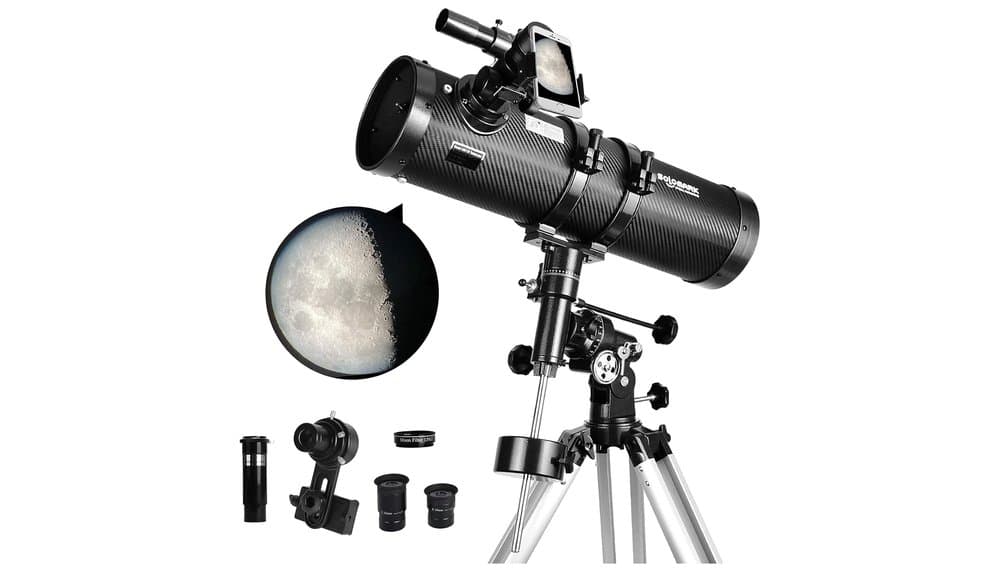
Introduction: A Serious Newtonian to Begin Astronomy
Today we open the dossier on an instrument frequently discussed among budding amateur astronomers: the SOLOMARK 130EQ Newtonian Reflector Telescope. Marketed as a "professional telescope for adults", it squarely targets the serious entry-level segment, promising performance worthy of a solid starter instrument. Our analysis will dissect its technical promises in light of the official specifications and, more importantly, the feedback from the user community and expert reviews. Is this telescope an effective springboard to the stars, or an equipment that demands too much patience from the complete beginner? We shall find out.
Strengths and Weaknesses
Before diving into the details, here is a synthetic overview of the aggregated analysis.
Strengths:
- A generous 130 mm aperture offering significant light-gathering power.
- Optical performance considered good for the price category.
- A complete accessory kit including several eyepieces, a Barlow lens, and a smartphone adapter.
- An equatorial mount (EQ) offering precise tracking once mastered.
Weaknesses:
- A steep learning curve due to the equatorial mount, a source of frustration for novices.
- Limited portability due to its weight and bulk.
- Build and finish quality sometimes inconsistent on certain components (finder scope, tripod).
- Assembly instructions often deemed insufficient.
Detailed Analysis of the SOLOMARK 130EQ
Optical Quality and Performance
On paper, the specifications of the SOLOMARK 130EQ indicate a capable instrument. With a 130 mm aperture and a 650 mm focal length (f/5 focal ratio), we are dealing with a relatively bright and compact Newtonian.
Light gathering and resolution: The aperture is the main asset. A 130 mm primary mirror collects significantly more light than a small 70 mm refractor, allowing for glimpses not only of the Moon and planets in detail but also fainter deep-sky objects like the Orion Nebula (M42) or the Pleiades star cluster. Expert reviewers note that for its price, the mirror quality is decent and delivers sharp images when properly collimated (mirror alignment).
Magnifications and field of view: The telescope comes with two eyepieces (typically 10 mm and 20 mm) and a 1.5x Barlow lens. This offers a range of base magnifications. With the 20 mm eyepiece, you get a 32.5x magnification and a relatively wide field of view for locating objects. With the 10mm and the Barlow, you can reach about 97.5x, suitable for planetary observation. It's important to note that, like all Newtonians, the image is inverted, which is not an issue for astronomy but is for terrestrial viewing. The included "erecting" Barlow lens attempts to solve this for versatile use, but according to experts, these entry-level components can degrade image quality.
Use for photography (digiscoping): The inclusion of a smartphone adapter is a strong marketing point. It allows for taking "souvenir" photos of the Moon, or even Jupiter and its moons, with patience. However, the mount not being motorized makes long exposures for deep-sky astrophotography impossible. This is strictly for basic lunar or planetary digiscoping.
Construction, Ergonomics, and Ease of Use
It is on these aspects that opinions diverge most, separating patient users from the disappointed.
The EQ3 equatorial mount: This is the most critical point. Experts agree that a German equatorial mount is a precise tool for manually tracking celestial objects by compensating for the Earth's rotation. However, it requires polar alignment (aligning on the North Star) and an understanding of its operation. Numerous user reports indicate this step is poorly explained in the manual and can be discouraging. It is not an immediate "point-and-view" experience.
Stability and portability: The aluminum tripod is described as reasonably stable once fully deployed and with the accessory tray attached. However, its relative lightness can make it susceptible to vibrations in a light breeze or during abrupt handling. With a total weight approaching 15 kg, the setup is not designed for hiking. Its carrying bag is useful for moving it from the garage to the garden, but not for an expedition.
Finishes and accessories: Customer reviews mention a certain lottery regarding quality control. While most products are functional, several users report defects upon delivery: scratches on the tube, loose fasteners, or even loose metal pieces inside the tube that could damage the mirrors. The 6x30 finder scope, while theoretically superior to a 5x24, is often cited as being of poor quality and difficult to align precisely.
Compatibility and upgradeability: The standard EQ3 mount and 1.25" eyepieces are widely used formats. This means a motivated user can improve their experience by separately purchasing higher-quality eyepieces, a more intuitive red dot finder, or even a tracking motor for the mount.
Typical Use Cases
- Astronomical observation (primary use case): Ideal for detailed lunar observation (craters, "seas"), planetary observation (Jupiter's bands, Saturn's rings, phases of Venus) and the brightest deep-sky objects. An excellent gateway to serious visual astronomy.
- Terrestrial observation: Possible but impractical due to the inverted image. The erecting Barlow lens corrects this, but with a loss of brightness and quality. It is not its primary purpose.
- Hiking / mobility: Not recommended. Its weight and bulk, along with the time required for setup and alignment, make it a sedentary instrument.
- Advanced astrophotography: Very limited. The manual mount and lack of auto-tracking confine it to basic lunar or planetary smartphone photography.
Technical Specifications
| Characteristic | Detail |
|---|---|
| Type | Newtonian Telescope (Reflector) |
| Aperture Diameter (Objective) | 130 mm |
| Focal Length | 650 mm |
| Focal Ratio (F/D) | f/5 |
| Mount | German Equatorial type EQ-3 |
| Tripod | Aluminum, with wide legs |
| Included Eyepieces | 10 mm and 20 mm (1.25") |
| Included Accessories | 1.5x Barlow Lens, 6x30 Finder Scope, 13%T Moon Filter, Smartphone Adapter |
| Focuser Type | Manual Rack-and-Pinion (1.25") |
| Approximate Weight | ~14.7 kg |
What Users Say: Review Synthesis
The analysis of over a thousand customer reviews and feedback from specialized forums paints a nuanced but revealing picture.
Enthusiasts (ratings 4-5/5) generally praise the optical performance for the price. They obtain "impressive" views of the Moon and are satisfied with being able to distinguish Saturn's rings. The more hands-on or patient users appreciate the instrument's potential once the mount is properly tamed and the basic accessories potentially upgraded. The presence of numerous accessories in the kit is also frequently mentioned as a plus.
The disappointed or frustrated (ratings 1-3/5) almost consistently point out the initial difficulty of use. Comments like "I can't see anything," "difficult assembly," or "insufficient instructions" are recurring. Quality control is also called into question, with several reports of products arriving scratched or with loose or internal parts rattling around, rendering the telescope unusable without risky disassembly. The tripod stability is sometimes judged too light, and the finder scope is described as unreliable and difficult to adjust precisely.
The clear trend that emerges is this: the SOLOMARK 130EQ is a performing tool provided you know (or are willing to learn) how to use it. It rewards perseverance but can discourage the user looking for an immediate "plug-and-play" experience.
Conclusion: Who is this telescope for?
The SOLOMARK 130EQ Newtonian Reflector Telescope is not a toy, nor a plug-and-play instrument. It is a serious entry-level telescope that offers real optical capabilities thanks to its 130 mm aperture, positioned at a very competitive price.
Its main flaw is also a characteristic of its segment: the equatorial mount. It is both the key to precise manual tracking and the source of a significant learning curve. Consequently, we primarily recommend it for two types of users:
- The motivated and self-taught amateur, ready to invest time in searching for online tutorials, adjusting (collimating), and learning the operation of an EQ mount.
- The beginning astronomer who can be guided by a club or local community for assistance during the initial setup sessions.
For a similar budget, an absolute novice seeking simplicity might turn towards a Dobsonian telescope of the same aperture, more intuitive but less suited for fine tracking. The SOLOMARK 130EQ, however, is a choice oriented towards pure optical performance at the expense of immediate ease. If you accept this compromise and if patience is part of your equipment, this Newtonian can be a fantastic companion for discovering the sky. Otherwise, its particularities risk leaving it too often in the closet.
100% free and independent — All our articles are written independently, without any sponsorship. We may earn a commission on purchases made through our links, at no extra cost to you.
Articles you might like
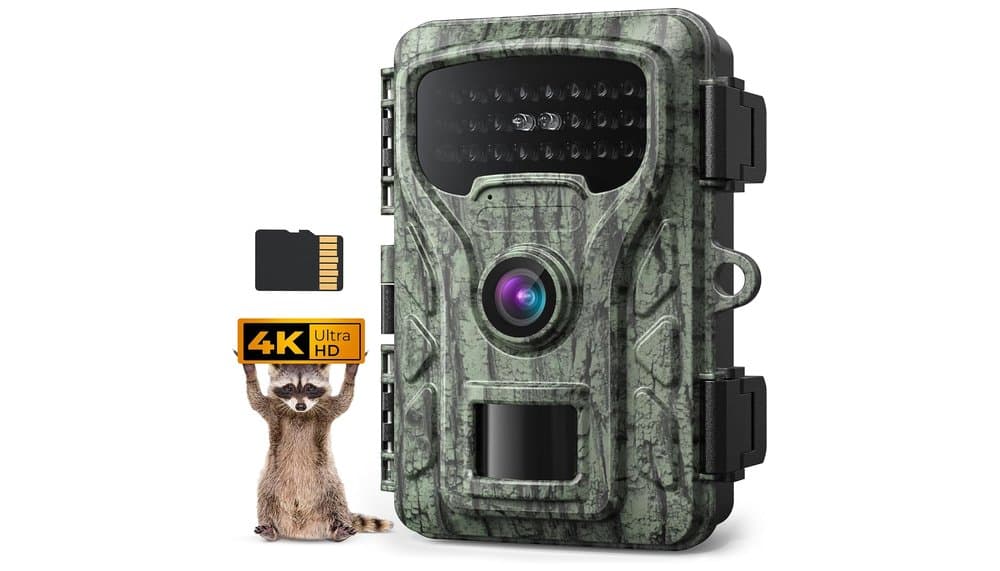
Caytail 4K 48MP Hunting Camera Review & Test
In-depth review of the Caytail 4K 48MP trail camera with included SD card. We analyze specs and real user feedback on its true field performance.
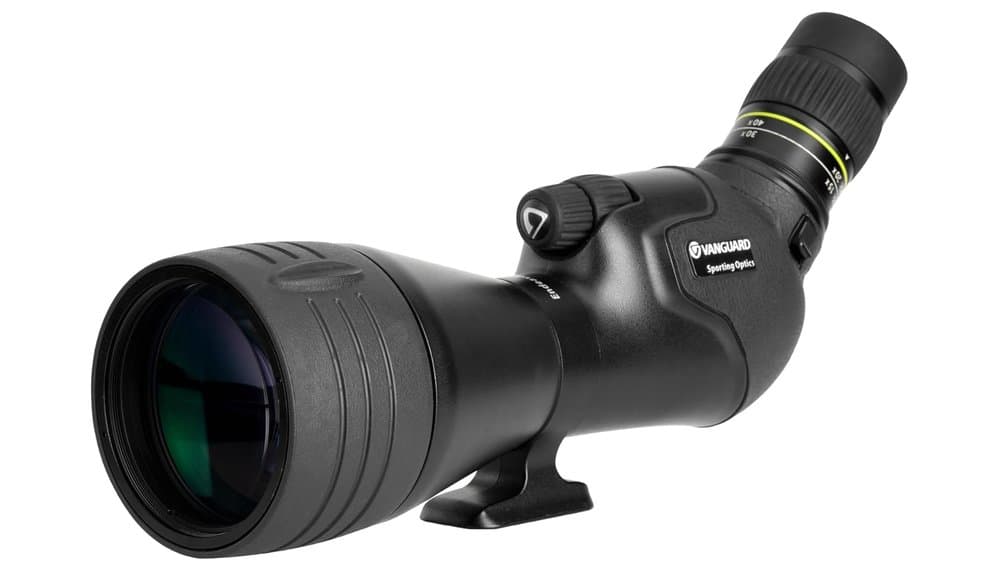
Vanguard Endeavor HD65A Spotting Scope Review
Spotting scope with 65mm ED glass & 15-45x zoom for birding & hiking. Balanced performance & portability for serious nature observers.
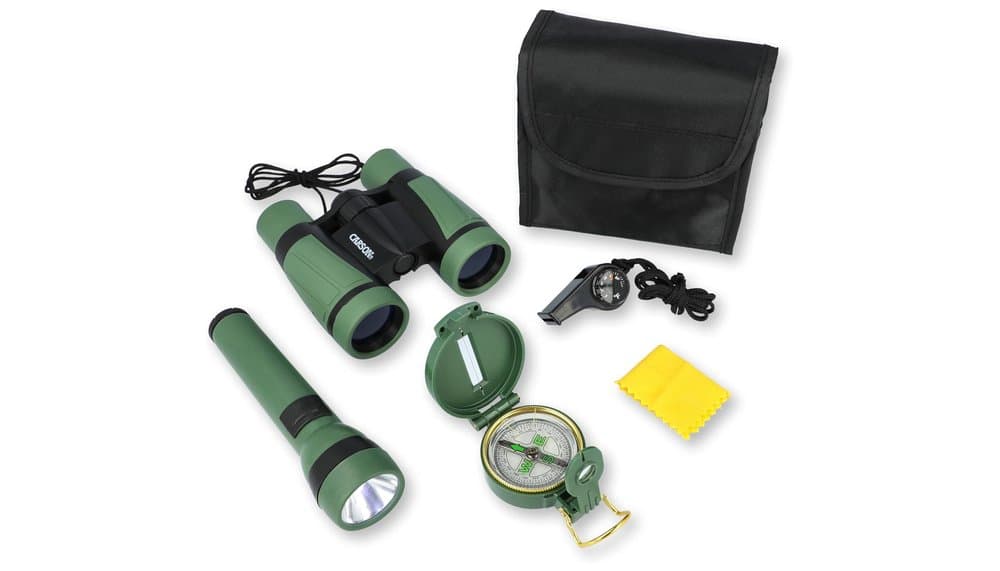
Carson AdventurePak Kids' Exploration Tool Kit Review
Explore nature with this kid's 5-piece tool kit for outdoor adventure and educational discovery. Perfect for young explorers.
Guides you might like

WiFi Trail Camera Guide
See wildlife discreetly from your couch! Learn how WiFi trail cameras let you monitor animals without disturbance and how to choose the right one.

Ultimate Travel Telescope Guide
Choose a portable, high-performance travel telescope to explore the universe from your backpack without compromising on essential astronomical views.
Ultimate Guide to Night Vision Binoculars
Choose the perfect night vision binoculars: Gen vs. digital? Unravel the tech to make your nighttime wildlife adventures a total success. Guide inside.