Laupha RM Pirate Telescope Monocular Review
Published on 30 September 2026 · By OptiqueNature
Review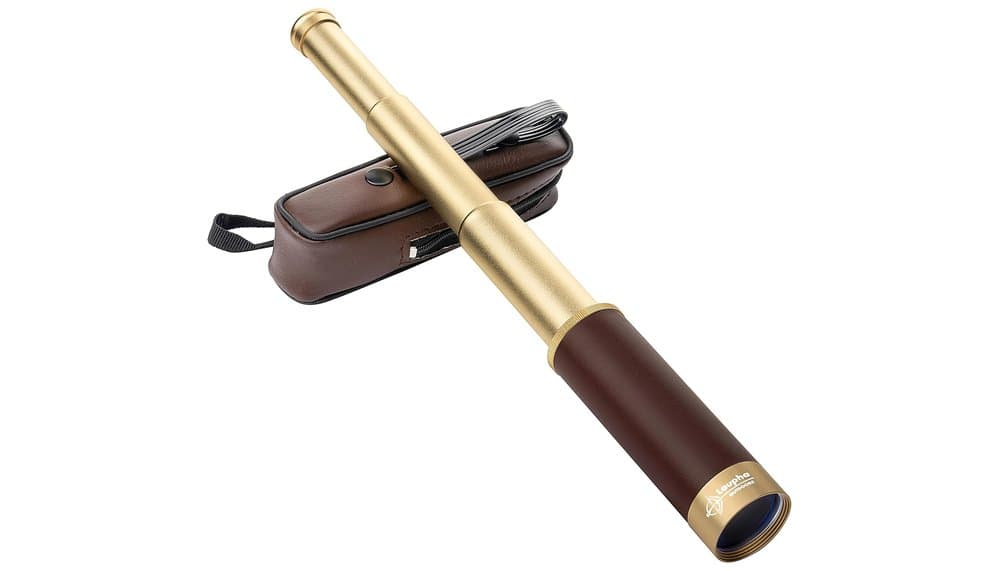
Introduction: Between Decorative Gadget and Observation Instrument?
The Laupha RM Pirate Telescope Monocular occupies a unique place in the world of nature observation. At first glance, its retro design and pirate-themed marketing might suggest a simple toy or costume accessory. However, by analyzing its technical specifications and feedback from its numerous users, a more complex picture emerges. We will dissect this instrument to determine if it is a valid observation tool for outdoor enthusiasts or a collectible item with definite charm but limited performance. Our analysis is based on manufacturer data, community feedback, and objective characteristics specific to optical instruments.
Strengths
A design and finish that exceed expectations. The point on which everyone agrees is the successful aesthetic and perceived quality of its construction. The gold aluminum alloy and leatherette give a robust and noble appearance, far from the cheap plastic often associated with themed gadgets.
Remarkable compactness and portability. Thanks to its telescoping tube that folds, the monocular becomes extremely compact (13 cm folded). Combined with its featherweight of approximately 200 grams and the included carrying pouch, it is an instrument that slips easily into a bag or clips onto a belt for a hike.
A powerful magnification on paper. The display of 25x magnification with a 30mm objective promises, theoretically, the ability to observe very distant details, which some users confirm for basic maritime or terrestrial observations.
Weaknesses
Optical compromises inherent to its design. The 25x30 optical formula is extreme and generates physical constraints. Such magnification on such a small objective aperture (30mm) necessarily results in a very small exit pupil (1.2mm) and greatly reduced brightness, making observation difficult in low-light conditions (dusk, dense forest).
Ergonomics and stability that can be improved. Holding a 25x magnified image steady without a tripod is a challenge, even for trained hands. The lack of anti-slip texture on the metal tube and the absence of a sturdy integrated strap are negative points noted for prolonged use.
Basic optical characteristics. Despite the mention of BAK-4 prisms and a blue coating on the lenses, the lack of information on multi-layer anti-reflective coatings (like dielectric or phase-correction coatings) suggests potential problems with contrast and color fidelity, as well as pronounced parasitic reflections (flare) in backlight.
Detailed Technical Analysis
Optical Performance: What Can One Really Expect?
On paper, the specs announce an instrument with impressive capabilities. Let's dive into the details.
The 25x magnification is significant. It allows distinguishing details several hundred meters away, as confirmed by users observing boats offshore. However, this high magnification also amplifies hand tremors and demands perfect stability. For comfortable observation lasting more than a few seconds, use on a support (wall, branch) or a small tripod is almost mandatory.
The 30mm diameter objective is the limiting factor. It determines the amount of light gathered. The calculation of the exit pupil (Objective Diameter / Magnification = 30/25 = 1.2mm) is telling. An exit pupil this narrow means the image will be dark and the alignment of the eye with the eyepiece must be very precise. For observers wearing glasses, the situation is even more delicate because the eye relief is not communicated and is likely very short, requiring the eye to be pressed against the lens.
The field of view is not specified by the manufacturer. Extrapolating from similar instruments, it is very likely very narrow (estimated at 1.5° or less). Following a bird in flight or scanning a landscape will therefore be a difficult exercise requiring expert handling.
The mention of a BAK-4 prism is a positive point, this type of barium glass offering better optical homogeneity and reducing light loss compared to standard BK-7. However, without advanced prism coatings (like dielectric layers), the gains in light transmission (advertised as "more than 99%" for the prism alone, a marketing figure unrealistic for the whole system) are limited. The simple blue coating on the lenses is a basic treatment, far inferior to Fully Multi-Coated (FMC) treatments found on dedicated observation instruments, which impacts overall clarity and contrast.
Construction and Waterproofing
The construction in aluminum alloy and zinc gives an impression of solidity. Users emphasize that "it's not a plastic toy." The gold finish and leatherette contribute to the aesthetic appeal but do not necessarily provide a functional benefit. The claim of waterproof and water-resistant certification should be taken with caution in the absence of a declared standard (IPX7, etc.). It suggests resistance to splashes or light rain but does not make this monocular an instrument for extreme conditions. Anti-fog protection (fogproof) is not mentioned, implying the instrument is probably not nitrogen-purged, making it susceptible to internal condensation in case of thermal shock.
Practical Use: Case by Case
- Occasional birdwatching: Possible for identifying a perched bird at a distance, in broad daylight. The lack of brightness and narrow field make it unsuitable for observing small songbirds in trees or following a raptor in flight.
- Hiking and terrestrial observation: Ideal for its compact and lightweight nature. Perfect for a quick glance at a viewpoint, a distant cairn, or a stationary animal. Its discreet design and small footprint are its major assets here.
- Digiscoping (smartphone photography): Theoretically possible, but very difficult in practice. The lack of a dedicated mount, strong vibrations at 25x, and probable optical aberrations at the edges of the image will yield disappointing results.
- Astronomical observation: Limited to the Moon, where it can show major craters and seas, but with a dim image. Planets will appear as small dots and deep-sky objects (galaxies, nebulae) will be invisible due to the small aperture.
- Use as an accessory or collectible: This is undoubtedly where the product excels. Its authentic "pirate" look makes it an ideal gift or a perfect decorative element for a desk or a child's room.
Summary Technical Specifications
| Characteristic | Detail for the Laupha RM Pirate Telescope |
|---|---|
| Model | Monocular Pirate Telescope RM / LPTE-SC1 |
| Magnification | 25x |
| Objective Diameter | 30 mm |
| Prism | BAK-4 |
| Optical Coating | Blue Coating |
| Construction | Gold aluminum alloy, leatherette, zinc |
| Focus | Manual on the eyepiece |
| Minimum Focus Distance | ~5 meters (estimated from feedback) |
| Design | Telescopic (foldable) |
| Dimensions (folded) | ~13 cm long |
| Weight | ~200 g |
| Waterproofing | Advertised as "Waterproof" (no specified standard) |
| Included Accessories | Leatherette carrying pouch, cleaning cloth |
What Users Say: Between Enchantment and Pragmatism
Customer feedback, with an average rating of 4.2/5 from over 800 reviews, reveals real but nuanced satisfaction, confirming our technical analysis.
The recurring positive points are unanimous:
- Exceeding Expectations: Many emphasize that they expected a "gadget" and were pleasantly surprised by the build quality ("real materials", "not a toy at all").
- Aesthetics and Theme: The "pirate" design is highly praised for its authenticity and "beautiful object" aspect. It is often bought as a gift and makes a strong impression.
- Compactness and Accessories: The ability to fold it and the included pouch are consistently cited as major practical assets for transport.
- Satisfactory Basic Use: For daytime observation of fixed objects (boats, landscapes), users find the magnification sufficient and the image "sharp" after adjustment.
Frustrations and limitations also emerge:
- Learning Curve: Several mention having difficulty adjusting the focus ("It took me a while to understand how to properly adjust the image"). This is typical of instruments with high magnification and a narrow exit pupil.
- Recognition of Limits: Some insightful comments note that "it's not a modern binocular or monocular" and that one should "not expect to do serious bird watching with it." This lucidity is important.
- Stability: The difficulty in maintaining a steady image due to the high magnification is an implicit point in comments about the need for careful adjustment.
Conclusion: Who is this Pirate Telescope For?
The Laupha RM Pirate Telescope Monocular is a product with a dual identity. It is neither a precision optical instrument rivaling monoculars dedicated to nature observation (like those from Vortex, Hawke, or even some entry-level models from Carson), nor a simple plastic toy.
It is a hybrid object perfectly suited to a specific niche: the occasional observer, the lightweight hiker, the cosplayer, or the parent looking for a gift that is both functional and immersive. Its major assets are its impeccable design, its extreme compactness, and its actual functionality that goes beyond mere decoration.
If your priority is pure optical performance – brightness, wide field of view, comfort for glasses wearers, observation in low light – you will be frustrated by its inherent technical compromises. On the other hand, if you are looking for a charismatic accessory, portable anywhere, and capable of providing a pleasant long-distance glance during your outdoor adventures or to spark the imagination, then the Pirate Telescope finds its full relevance. It is a tool that celebrates the adventurous side of observation much more than it aims for technical excellence.
100% free and independent — All our articles are written independently, without any sponsorship. We may earn a commission on purchases made through our links, at no extra cost to you.
Articles you might like
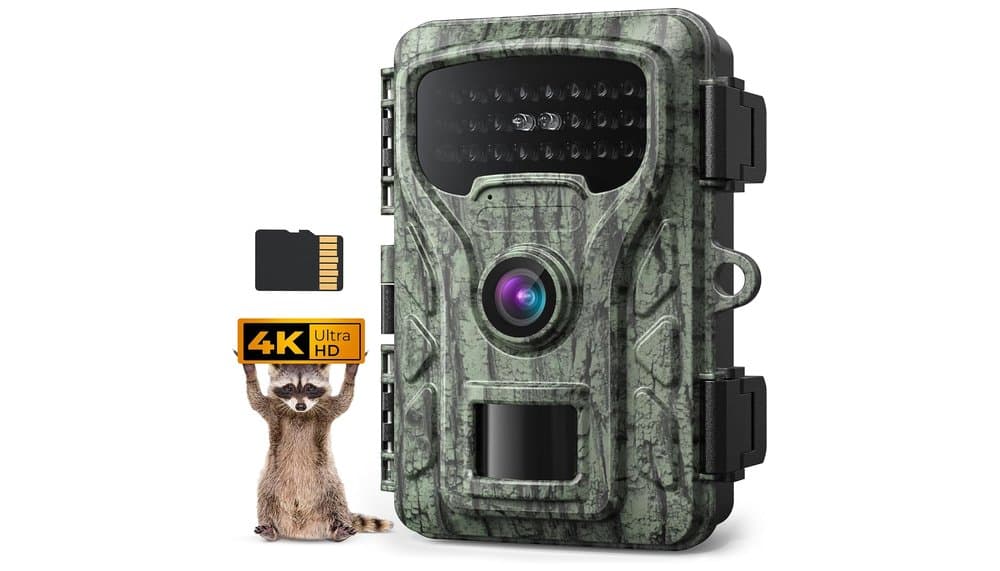
Caytail 4K 48MP Hunting Camera Review & Test
In-depth review of the Caytail 4K 48MP trail camera with included SD card. We analyze specs and real user feedback on its true field performance.
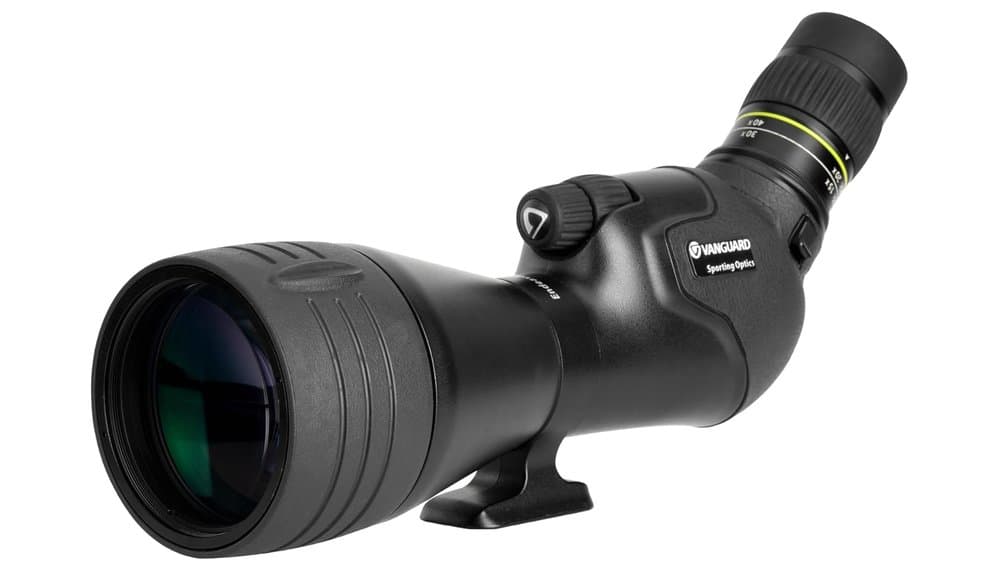
Vanguard Endeavor HD65A Spotting Scope Review
Spotting scope with 65mm ED glass & 15-45x zoom for birding & hiking. Balanced performance & portability for serious nature observers.
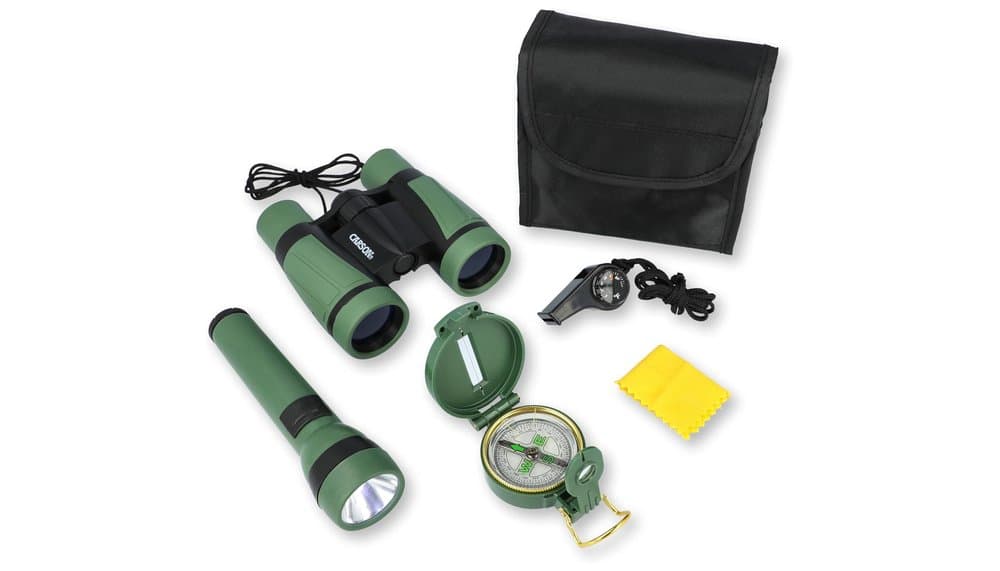
Carson AdventurePak Kids' Exploration Tool Kit Review
Explore nature with this kid's 5-piece tool kit for outdoor adventure and educational discovery. Perfect for young explorers.
Guides you might like
WiFi Trail Camera Guide
See wildlife discreetly from your couch! Learn how WiFi trail cameras let you monitor animals without disturbance and how to choose the right one.
Ultimate Travel Telescope Guide
Choose a portable, high-performance travel telescope to explore the universe from your backpack without compromising on essential astronomical views.
Ultimate Guide to Night Vision Binoculars
Choose the perfect night vision binoculars: Gen vs. digital? Unravel the tech to make your nighttime wildlife adventures a total success. Guide inside.