K&F Concept A225C0 Compact Carbon Tripod Review & Test
Published on 15 September 2026 · By OptiqueNature
Review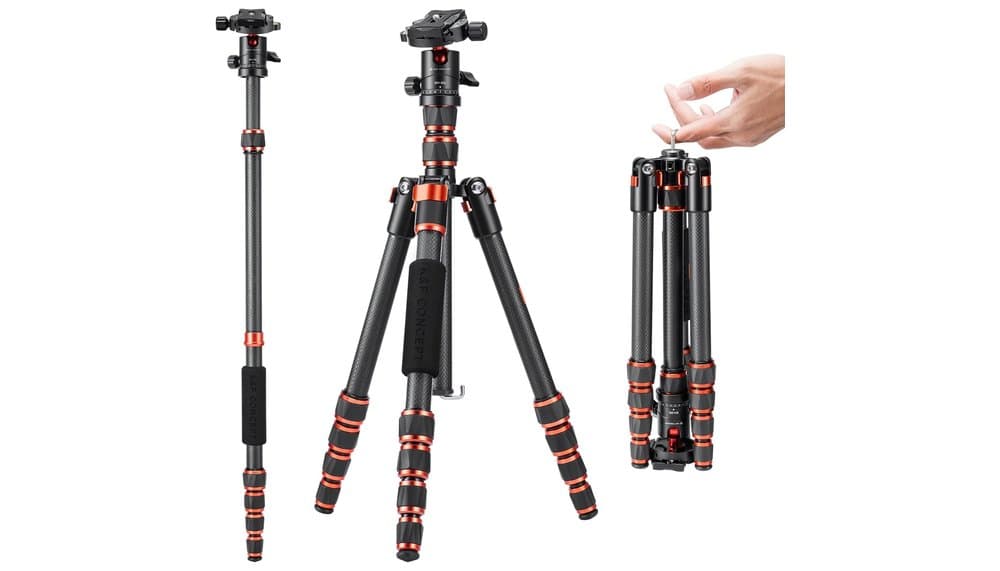
Introduction
In the realm of nature observation and field photography, a tripod is not just an accessory, but the pillar of stability. The choice often comes down to a compromise between robustness, lightness, and compactness. The K&F Concept A225C0 Professional Compact Carbon Fiber Tripod presents itself as a solution geared towards the mobile photographer. Here we analyze this product from a technical and practical standpoint, dissecting its specifications, strengths, limitations, and user community feedback, to determine if it constitutes a reliable partner for your outdoor observation or capture sessions.
Strengths
The main strengths of the K&F Concept A225C0 are clearly evident from its technical characteristics and reviews.
- Feather-light weight and extreme compactness: With a stated net weight of 1 kg and a folded length of only 35 cm, this carbon fiber tripod is designed for mobility. It slips easily into a backpack, making it an ideal candidate for hiking or travel.
- Ingenious versatility: Its design incorporates several features appreciated in the field. The reversible center column allows for extreme low-angle or ground-level shots. Furthermore, one leg is detachable to form a monopod, adding another string to the photographer's or observer's bow.
- Comfortable working height: Despite its minimal footprint when folded, it deploys to reach a maximum height of 153 cm without the center column extended. This range, coupled with the possibility of extending the column, offers sufficient eye-level height for comfortable use.
- Stability/portability ratio: The use of carbon fiber for tubes with a 22 mm diameter aims for a balance. The material absorbs vibrations better than aluminum for a similar weight, and the tube diameter contributes to the overall rigidity when deployed.
Weaknesses
No product is perfect, and the K&F Concept A225C0 shows its limits in demanding usage scenarios.
- Limited stability against the elements or heavy loads: As several users point out, lightness comes at a price. With such a low self-weight, the tripod can become sensitive to vibrations caused by wind or camera movement, especially with a load near the recommended maximum. Its intrinsic stability is inferior to that of heavier, more substantial models.
- Load capacity to be contextualized: Although the maximum load capacity is advertised as 8 kg, this value should be interpreted with caution. It represents a structural limit, but for optimal stability, especially at full height or in windy conditions, it is wise to consider a safety margin. Heavy equipment (DSLR + large telephoto lens combo) will put the tripod to the test.
- Ball head with room for improvement in precision: Feedback converges on one point: the included ball head, while practical, may lack precision and firmness in adjustment. Some users note a slight creep after locking, especially with an off-center load, which complicates fine framing. It is suitable for photography but not recommended for smooth video.
Detailed Analysis of the K&F Concept A225C0
Construction and Handling
The tripod relies on a 5-section carbon fiber construction. This choice is crucial: it explains the contained weight and good absorption of micro-vibrations compared to aluminum. The leg locking mechanisms, apparently quick-release flip-lock type according to descriptions, are described as fast and effective. The overall finish, with its orange accents, is regularly cited as neat and giving an impression of quality.
The included carrying bag is a significant plus for protecting the equipment during transport in a backpack. The transformation into a monopod is a strong argument for observers who might need quick stabilization without the bulk of the tripod.
Stability and Performance in the Field
This is the core of the analysis. The technical specifications give us a framework, but user feedback completes it.
| Characteristic | K&F Concept A225C0 Specification |
|---|---|
| Material | Carbon fiber |
| Weight | 1 kg |
| Max height (without column) | 153 cm |
| Folded length | 35 cm |
| Max load | 8 kg |
| Tube diameter | 22 mm |
| Number of sections | 5 |
| Included head | Metal ball head 25mm (BH-25L) |
| Special functions | Reversible center column, monopod conversion |
The working height is suitable for most users. The 8 kg load capacity theoretically covers the majority of standard DSLR/zoom combos and even some setups with moderate telephoto lenses. However, the community notes that for absolute stability, particularly with heavy gear or in windy conditions, it is preferable to stay well below this limit and use the hook under the center column to hang a camera bag to increase inertia.
The BH-25L ball head is the point of attention. It allows for quick adjustment in all directions, but its single-knob locking system may lack progressiveness and perfect holding under load, a recurring flaw on entry-level ball heads. For activities like digiscoping (mounting a smartphone on an eyepiece) or light astronomy (with a small telescope), this precision may be sufficient, but it will be the weak link for critical applications.
Value Comparison
Clearly positioned in the budget to mid-range segment, the K&F Concept A225C0 offers a compelling argument: carbon fiber at a price usually reserved for aluminum.
- Compared to low-end aluminum tripods: It surpasses them in lightness and vibration damping capability. Its main advantage is improved portability.
- Compared to mid-range carbon fiber tripods: It plays the card of extreme compactness (35 cm folded) and versatility (monopod). It may give ground on the finish of mechanisms, the rigidity of the thinnest sections, and the quality of the ball head.
- Compared to high-end tripods: It cannot compete in terms of absolute stability, long-term durability, precision of controls, and ability to support heavy loads in difficult conditions. It is a compromise choice for the occasional or mobile photographer.
What Users Say
An analysis of customer feedback reveals clear trends that confirm and nuance the technical specifications.
Recurring positive points:
- Light and compact: This is the most praised argument. Users appreciate being able to take it anywhere without a second thought.
- Value for money: Many consider it an excellent investment for its price, offering the benefits of carbon.
- Finish and perceived sturdiness: The build is generally judged to be robust and well-finished for the category.
- Appreciated versatility: The monopod function and reversible column are frequently cited as practical assets.
Frequent criticisms and reservations:
- Sensitivity to vibrations: Several reviews mention that the lightness comes at the cost of relative stability, especially with wind or heavy equipment. "The tripod is quite sensitive to vibrations," notes one user.
- Ball head precision: The problem of creep or sagging after locking is emphasized. "The ball head moved... leveling is sometimes difficult," explains one photographer.
- Limitations for video: Consensus that the included head is not suited for the smooth movements required in videography. "I DO NOT RECOMMEND it if you want to do video," writes one customer.
- Target audience: It is often described as perfect for lightweight cameras (mirrorless, bridge) or beginners, but may show its limits with heavy professional gear. "For a demanding photographer needing impeccable stability... one will have to look towards heavier and more robust equipment."
Conclusion
The K&F Concept A225C0 Professional Compact Carbon Fiber Tripod is a product that knows exactly what it is and for whom it is designed. It is a remarkable solution for the nomadic photographer or observer who prioritizes lightness and compactness without entirely sacrificing stability. Its transformation into a monopod and its reversible column make it a surprisingly versatile tool for its size.
However, one must not be mistaken: its extreme lightness is the flip side of the coin. It will not provide the unshakable stability of a heavier, more massive tripod, and its ball head is the identified weak point for precision adjustments. It is an excellent companion for hiking, light travel, landscape photography with reasonable equipment, or occasional observation. On the other hand, for astronomy with a heavy telescope, demanding digiscoping, or intensive professional use with long telephoto lenses, its limits will be quickly reached. It represents an intelligent and well-executed compromise in its price segment, provided one accepts its inherent constraints.
100% free and independent — All our articles are written independently, without any sponsorship. We may earn a commission on purchases made through our links, at no extra cost to you.
Articles you might like
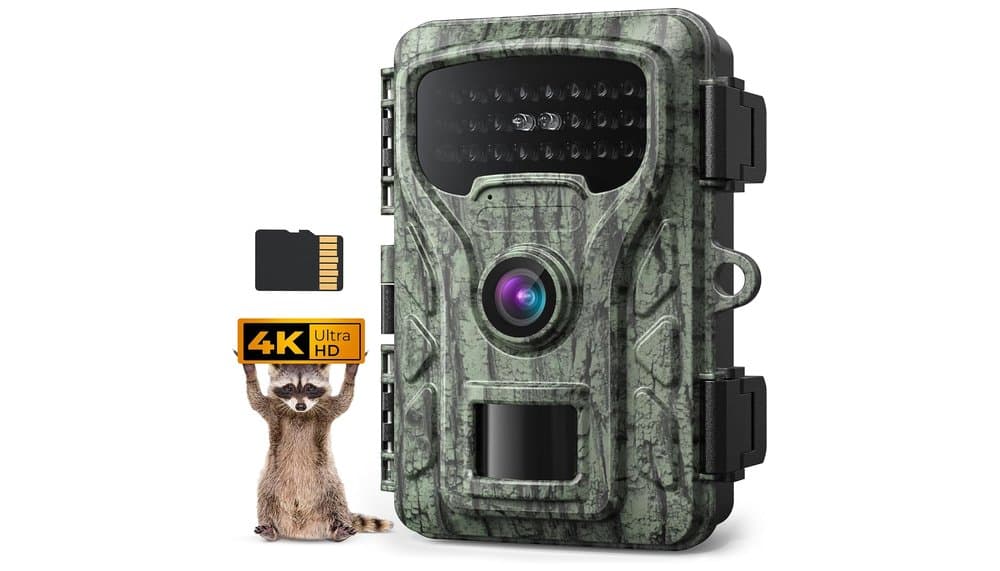
Caytail 4K 48MP Hunting Camera Review & Test
In-depth review of the Caytail 4K 48MP trail camera with included SD card. We analyze specs and real user feedback on its true field performance.
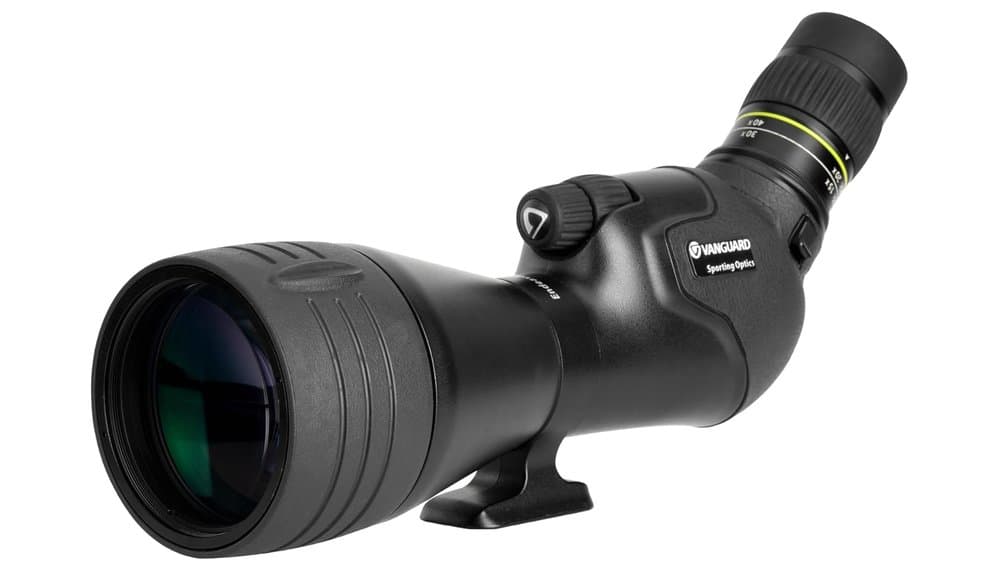
Vanguard Endeavor HD65A Spotting Scope Review
Spotting scope with 65mm ED glass & 15-45x zoom for birding & hiking. Balanced performance & portability for serious nature observers.
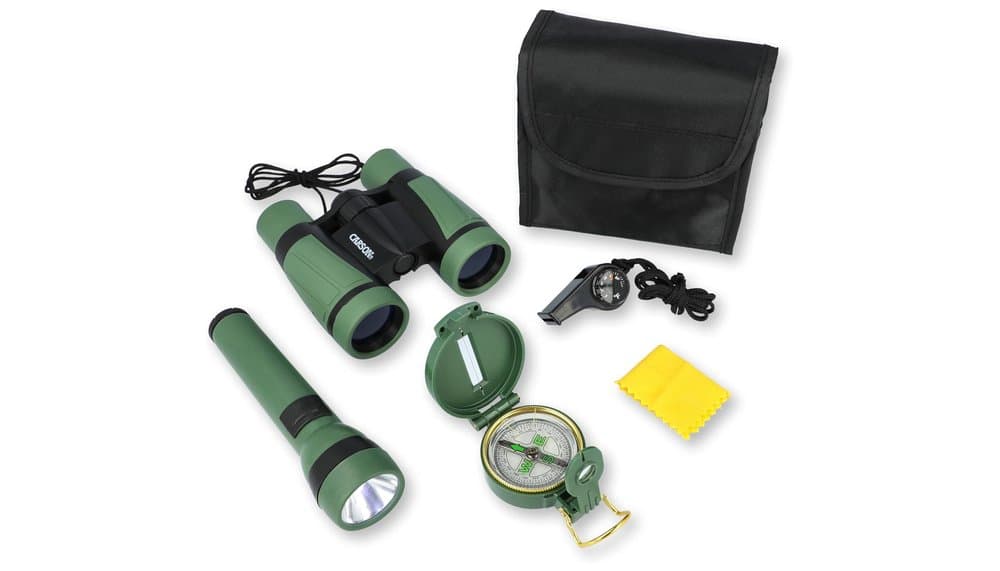
Carson AdventurePak Kids' Exploration Tool Kit Review
Explore nature with this kid's 5-piece tool kit for outdoor adventure and educational discovery. Perfect for young explorers.
Guides you might like
WiFi Trail Camera Guide
See wildlife discreetly from your couch! Learn how WiFi trail cameras let you monitor animals without disturbance and how to choose the right one.
Ultimate Travel Telescope Guide
Choose a portable, high-performance travel telescope to explore the universe from your backpack without compromising on essential astronomical views.
Ultimate Guide to Night Vision Binoculars
Choose the perfect night vision binoculars: Gen vs. digital? Unravel the tech to make your nighttime wildlife adventures a total success. Guide inside.