GardePro A3S Trail Camera Test and Review
Published on 16 June 2026 · By OptiqueNature
Review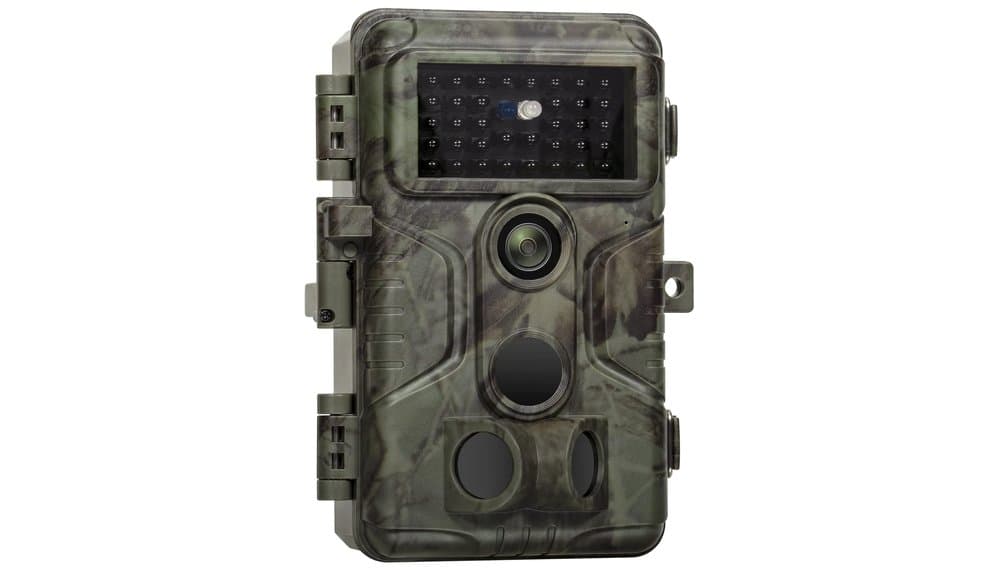
Introduction
In the world of trail cameras and wildlife surveillance cameras, the segment of non-connected models remains the most popular due to their ease of use and excellent battery life. The GardePro A3S Trail Camera positions itself as a benchmark, often cited as the gold standard in its price category. This camera, advertised with a Sony Starvis sensor and a 64MP resolution, promises high-level performance, especially in low light and responsiveness. But beyond the technical specifications, how does it perform in the field, according to user and tester feedback? We investigate to provide you with a complete and objective analysis, dedicated to nature and observation enthusiasts.
Key Strengths
- Exceptional Nighttime Performance: The combination of the Sony Starvis sensor and 940nm "No Glow" (invisible) infrared LEDs allows for clear nighttime images without revealing the camera's presence.
- Impressive Responsiveness: A 0.1-second trigger speed and pre-activation technology ensure capturing the action without missing it.
- Image Quality and Efficiency: 1296P/1080P videos in H.264 codec offering good detail while generating compact files, much smaller than old AVI/MJPEG formats.
- Robustness and Autonomy: IP66 certified housing (waterproof and dustproof) and low power consumption ensuring long battery life.
- Remarkable Value for Money: Reviews converge in praising a set of features usually reserved for more expensive models.
Weak Points
- Daytime Photo Quality Can Be Improved: According to some feedback, daytime photos, while useful for identification, may lack finesse compared to video quality.
- Software and Menus: The menu, while available in several languages, is sometimes considered complex with its 28 settings. The display of weather data on images can be considered intrusive.
- Fragility of Some Components: A few users point out the housing hinges, which seem to be a potential weak point.
- False Triggers: Like many PIR detection cameras, vegetation movement (wind) can generate unnecessary recordings.
Detailed Analysis by Component
Optical Quality and Sensor: The Winning Duo in Low Light
Unlike a spotting scope or binoculars, the analysis of a trail camera focuses on the performance of its wide-angle lens, its image sensor, and its IR illumination system.
On paper, the GardePro A3S specifications are solid. It uses a Sony Starvis CMOS sensor, a known reference for its high sensitivity in low light. Expert testers highlight that this sensor, coupled with a large aperture lens (f/1.6), is key to its nighttime performance. It allows for a gradual transition from color in low light to infrared black and white, offering an "extended daylight" function at the beginning and end of the night, a feature rarely so well implemented in this price range.
The 940nm IR illumination is completely invisible to the naked eye and to that of most animals. User feedback confirms its discreet effectiveness, even at close range. The advertised 30-meter range is considered realistic by the community, provided the environment is clear. The nighttime video quality is consistently praised for its clarity and good exposure level, avoiding "white-outs" (overexposure) on nearby subjects.
Responsiveness and Detection: Missing Nothing
This is where the GardePro A3S clearly stands out. Its 0.1s trigger speed, coupled with pre-activation technology, is one of the fastest on the consumer market. Concretely, this means the device starts recording a micro-second before the user even presses the virtual button, minimizing the risk of missing the start of an action. Comparative tests with competing models, like the Apeman H55 cited in reviews, show a significantly higher rate of successful captures.
The PIR detection angle is 120°, which is wide and effective. However, it's important to note that the lens field of view is 63°. This creates a "zoom" effect and means the camera will only film a portion of the area it detects. Careful placement is therefore needed so the area of interest matches the framing.
Construction and Ergonomics: Designed for the Field
The camouflage-finished housing is described as robust and well-assembled. The IP66 certification guarantees effective protection against dust and powerful water jets, making it suitable for outdoor installation in all weather. Its weight of 540g with batteries gives it stability once mounted.
Ergonomics are marked by a 2.4-inch color screen and navigation via buttons inspired by a TV remote. While the screen is useful for on-site configuration, the community notes it is too small for fine image analysis; it's still preferable to read the SD card on a computer. The menu, while comprehensive, can seem dense with its many settings (PIR sensitivity, video duration, time slots, etc.), but offers great flexibility once mastered.
Battery Life and File Management: Pragmatic Efficiency
Battery life is a major strength. Power from 8 AA batteries (Lithium recommended for cold weather) allows for weeks, even months of surveillance in standby mode, especially if using the "activity hours" function to activate it only at night. The H.264 video codec, producing files in MP4 format, is a blessing for storage and sharing. As demonstrated in a comparative review, a 2-minute video weighs about 60 MB versus 270 MB for a competing model in AVI, allowing the use of SD cards with more reasonable capacity (up to 512GB supported) for extended sessions.
Technical Specifications
| Characteristic | Detail |
|---|---|
| Photo Resolution | 64 MP (interpolated) |
| Video Resolution | 1296P (2304x1296) @ 20fps / 1080P (1920x1080) @ 30fps |
| Sensor | Sony Starvis CMOS |
| Lens | Aperture f/1.6, Field of View (FOV): 63° |
| Night Vision | No-Glow 940nm IR LEDs, Range up to 30m |
| Detection | PIR Sensor, Detection Angle: 120°, Range up to 27m |
| Responsiveness | Trigger Speed: 0.1s |
| Display | 2.4" Color LCD Screen |
| Durability | IP66 Protection Rating (waterproof), Temp. Range: -20°C to +60°C |
| Power Supply | 8 AA batteries (not included) or 12V/1A external source |
| Storage | SD Card (up to 512GB), FAT32/exFAT format |
| Connectivity | Mini-USB port for data transfer |
| Weight | 540 g (with batteries) |
| Warranty | 2 years |
What Users Say: A Synthesis of Feedback
The analysis of nearly 10,000 reviews (overall rating of 4.3/5) and expert feedback on the web paints a clear consensus.
Recurring praise focuses on:
- Nighttime image quality: "Stunning", "clear", "well-exposed". The absence of a red glow is consistently praised for not frightening animals.
- Detection reliability: Users note fewer misses than on other models and great responsiveness for freezing moving animals.
- Compact video files: The H.264/MP4 format is seen as a major advantage for long-term storage and sharing.
- Final ease of use: Once configured and installed, it operates autonomously and reliably for weeks.
- Excellent value for money: It is often described as surpassing more expensive models, making it a safe bet.
Frequent critiques and remarks highlight:
- Menu complexity: For a beginner, the 28 setting options can be intimidating. Time must be taken to read the manual (available online in French).
- Daytime photo quality: Some feel that the 64MP photos, while useful, are not as detailed as hoped, with video remaining the strong point.
- Sensitivity to wind: As expected, moving branches trigger many empty recordings. This requires careful placement in a clear environment for optimal wildlife observation use.
- Hinge sturdiness: A few isolated reports express reservations about the long-term durability of the housing closure clips.
Conclusion
The GardePro A3S Trail Camera is not a revolution, but the embodiment of a proven formula, perfectly executed and offered at a very competitive price. It excels in the critical aspects for a trail camera: nocturnal discretion, infallible responsiveness, robustness, and battery life.
Its weaknesses, such as the relative daytime photo quality or a cluttered menu, are largely outweighed by its fundamental strengths. For the wildlife observer, hunter, naturalist, or even property security user, it represents a top-tier choice in the category of non-connected cameras. It demonstrates that it is not necessary to aim for the most expensive or complex models (Wi-Fi, 4G) to obtain professional and reliable results in the field. If your priority is a simple, effective camera that does its job day and night without failure, the GardePro A3S stands out as a safe bet and an obvious recommendation.
100% free and independent — All our articles are written independently, without any sponsorship. We may earn a commission on purchases made through our links, at no extra cost to you.
Articles you might like
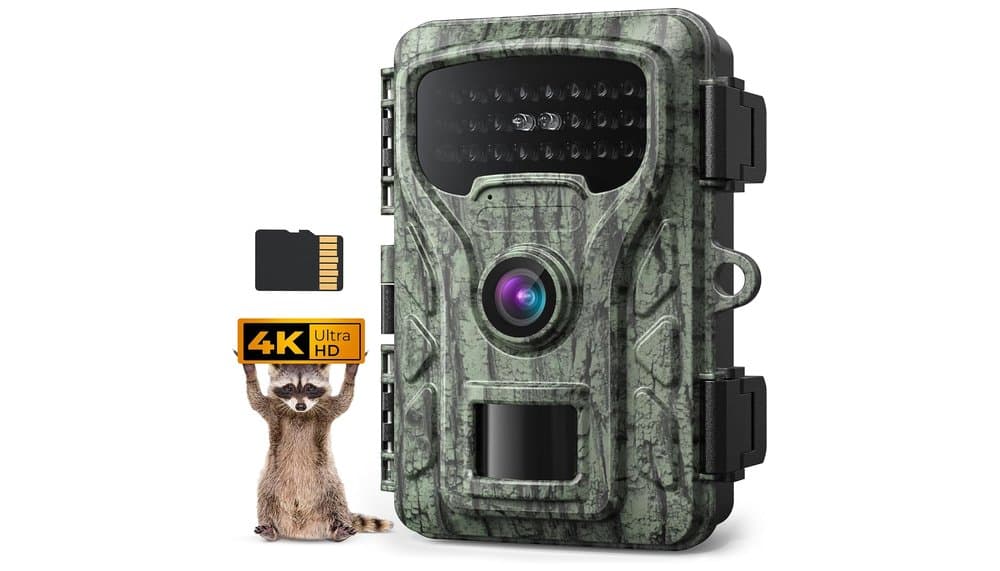
Caytail 4K 48MP Hunting Camera Review & Test
In-depth review of the Caytail 4K 48MP trail camera with included SD card. We analyze specs and real user feedback on its true field performance.
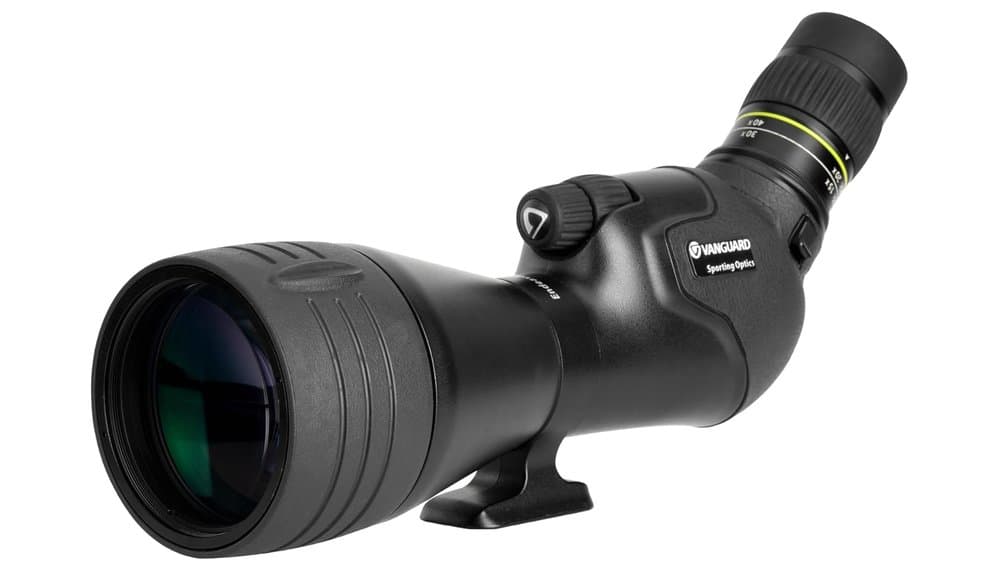
Vanguard Endeavor HD65A Spotting Scope Review
Spotting scope with 65mm ED glass & 15-45x zoom for birding & hiking. Balanced performance & portability for serious nature observers.
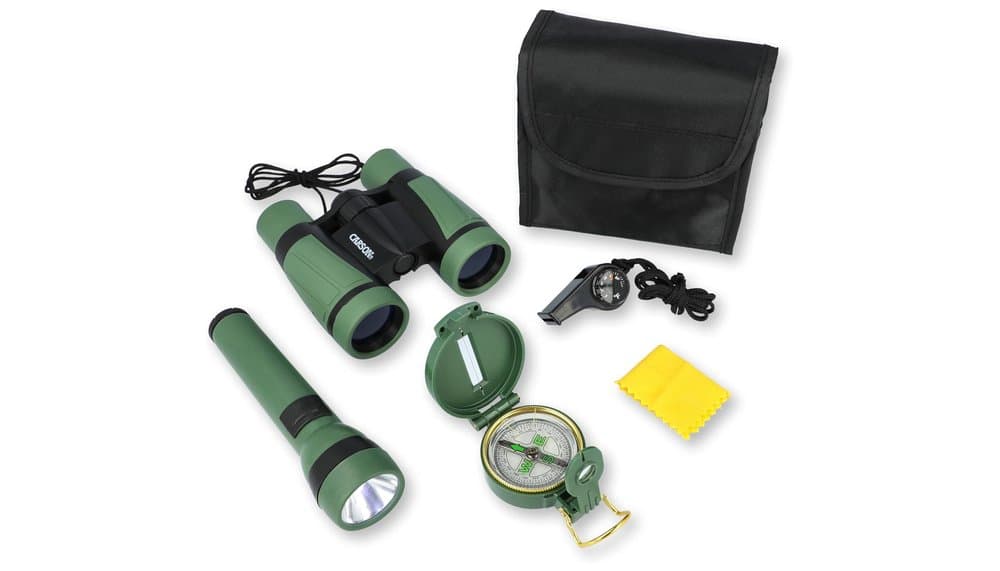
Carson AdventurePak Kids' Exploration Tool Kit Review
Explore nature with this kid's 5-piece tool kit for outdoor adventure and educational discovery. Perfect for young explorers.
Guides you might like
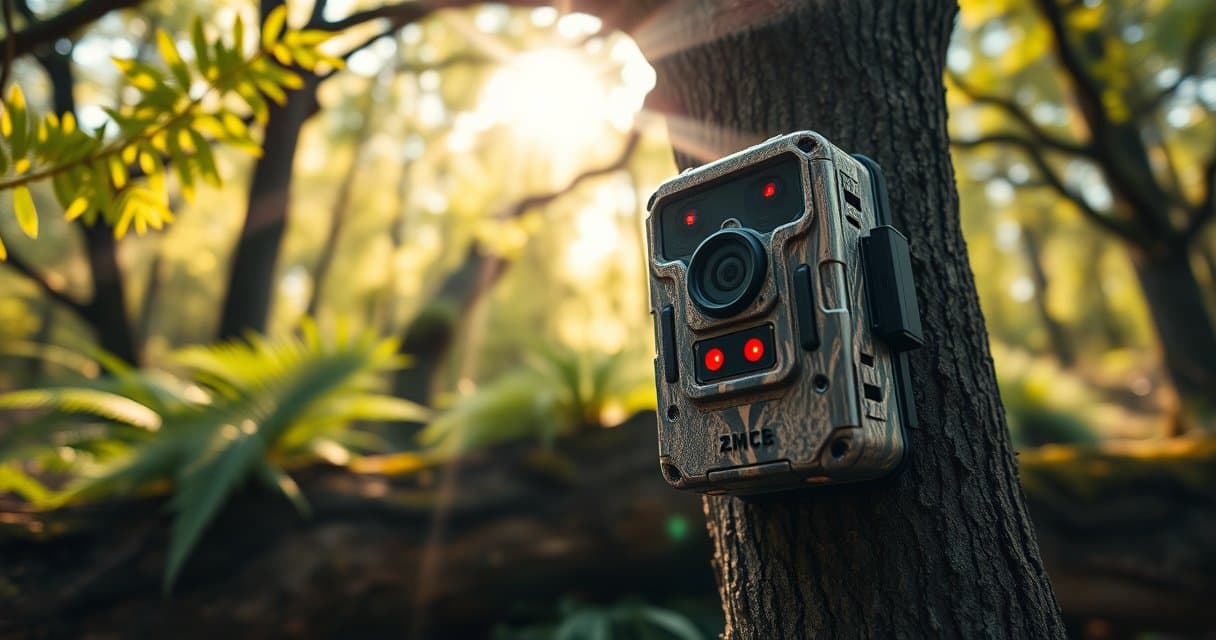
WiFi Trail Camera Guide
See wildlife discreetly from your couch! Learn how WiFi trail cameras let you monitor animals without disturbance and how to choose the right one.
Ultimate Travel Telescope Guide
Choose a portable, high-performance travel telescope to explore the universe from your backpack without compromising on essential astronomical views.
Ultimate Guide to Night Vision Binoculars
Choose the perfect night vision binoculars: Gen vs. digital? Unravel the tech to make your nighttime wildlife adventures a total success. Guide inside.