FKPCAM FK40 Solar Camera Test
Published on 14 August 2026 · By OptiqueNature
Review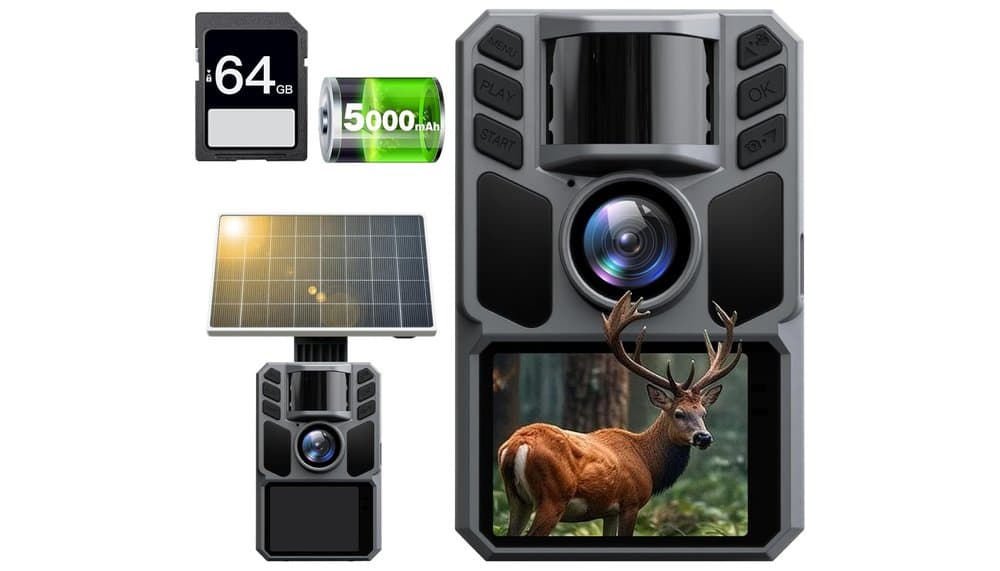
Analysis of the FKPCAM FK40 Solar Hunting Camera: Solar Autonomy vs Optical Quality?
In the world of trail cameras, the promise of total autonomy and high resolution is often the holy grail. The FKPCAM FK40 Solar Hunting Camera tackles this challenge head-on by positioning its solar power system as its main selling point. But does this promise of energy independence hold up against the demands of wildlife observers in terms of image quality, reliability, and ergonomics? We break down this model for you, analyzing its technical specifications, community feedback, and expert opinions, to determine its place in the trail camera landscape.
Strong Points
According to available data, the FK40 stands out for several features that directly address common user frustrations.
Revolutionary autonomy thanks to solar. This is the central point of its marketing and, on paper, its decisive advantage. The combination of a removable solar panel and a 5000mAh rechargeable battery aims to eliminate the recurring problem of battery changes. Expert testers emphasize that this asset is "decisive for installations in remote areas." One user confirms: "Nice that there is no need for batteries to drain." The inclusion of a 64GB SD card in the package also simplifies getting started.
Robust construction for all seasons. The camera boasts an IP67 protection rating (waterproof and dustproof) and a very wide operating temperature range, from -22°F to 158°F (-30°C to +70°C). This ruggedness, coupled with an ABS housing, is designed to withstand the harshest environments, from humid forests to desert areas.
Ambitious video and photo specifications. The specs announce a photo resolution of 64MP and 4K video recording. The 850nm infrared flash is designed to be discreet and not scare animals, with an advertised range of 30m. A fast trigger speed of 0.2 seconds and a detection angle of 130° complete the picture in an attempt to miss no action.
Weak Points
Analysis of user feedback and the technical context reveals some gray areas or compromises.
Image and optical quality that is not elite. It is crucial to understand the difference here with traditional observation equipment. Unlike a spotting scope or binoculars with ED glass and dielectric prisms, the optics of a trail camera are primarily a matter of sensor and software processing. No mention is made of high-end optical treatments. Reviews, although very positive, speak of "fine" or "very good" images, but an expert notes the lack of feedback on "real performance" in low-light conditions other than IR. Light transmission, twilight factor, or exit pupil are not applicable parameters here; nighttime performance depends entirely on the power and distribution of the IR LEDs.
Configuration sometimes considered complex. Several testers, notably in the Vine program, point to the initial setup. One summary notes: "the installation and connection process can seem a bit confusing for people less comfortable with technology." Setting up WiFi for remote access seems to be a potential sticking point.
The control screen. One user mentions that "the screen could be a bit larger" for easier checking of settings and previews in the field.
Detailed Analysis by Use Case
For observing and monitoring wildlife: The FK40 is clearly in its comfort zone. Its solar autonomy makes it an ideal candidate for long-term installations in forests or fields, without requiring frequent visits. The 4K/64MP resolution allows for clear species identification. However, for scientific tracking requiring flawless identification of details (bird rings, facial markings), the actual quality of the sensor at its full resolution remains to be verified in practice.
For perimeter security or property surveillance: Its IP67 waterproof rating, autonomy, and fast trigger speed are major assets. The 130° detection angle offers wide coverage. The discretion of the 850nm IR flash is a plus for not alerting subjects.
For digiscoping or astronomy: This product is completely unsuitable for these uses. A trail camera does not have a live "video-out" function, nor the ability to mount on an eyepiece required for digiscoping. Its fixed lens and sensor are optimized for wide-angle vision and motion detection, not for magnification or low starlight.
For trekking and hiking: Its weight (690g without the mount) and bulk make it a specific piece of equipment to install at a fixed point, not a hiking companion to pull out of a backpack for occasional observation. It falls into the "base camp equipment" category.
Technical Specifications
| Feature | Detail |
|---|---|
| Photo Resolution | Up to 64 MP |
| Video Resolution | 4K UHD |
| Motion Sensor (PIR) | Range 30m, Angle 130° |
| Trigger Speed | 0.2 seconds |
| Night Vision | 850nm IR LEDs (Black and White) |
| Waterproof Rating | IP67 (Water and Dust) |
| Temperature Range | -22°F to 158°F (-30°C to +70°C) |
| Power Supply | 5000mAh rechargeable battery + Included Solar Panel |
| Storage | SD Card (64GB included) |
| Connectivity | WiFi (for remote control) |
| Screen | Color screen (size not specified) |
| Metadata | Date, Time, Temperature on media |
| Package Contents | Camera, Solar Panel, Solar Mount, Mounting Bracket, Strap, USB Cable, Support, 64GB Card, 2x 2500mAh Batteries |
What Users Say: A Nuanced Unanimity
Available customer feedback reports very high satisfaction, with an average rating of 5/5. However, their limited number calls for cautious analysis.
Recurrent praise focuses on:
- Autonomy and solar power: Users are convinced by the concept. "The solar function allowed the camera to operate reliably over long periods," reports a tester.
- General image quality: The terms "very good," "clear," "detailed" often recur to describe day and IR night photos and videos.
- Package richness: The inclusion of the solar panel, SD card, multiple mounting options (strap, wall plate), and batteries is consistently praised. "The accessory pack is complete and well thought out," notes a user.
- Versatility of modes: The PIR (motion detection), interval, and time-lapse modes are appreciated for their flexibility.
Reservations and criticisms point to:
- Complexity of initial setup: Several mention that the initial configuration, particularly of settings and WiFi connection, is not intuitive and could deter beginners.
- Screen size: Desired to be larger for easier on-site use.
- WiFi performance: Although mentioned, no details are given on its actual range or stability outdoors. Online experts also highlight this lack of field feedback on the reliability of this feature.
Conclusion: An Autonomy Specialist, Not an Optical Generalist
The FKPCAM FK40 Solar Hunting Camera establishes a clear proposition: it trades some pure optical sophistication (ED glass, multi-coatings) for revolutionary energy autonomy and unmatched ruggedness. It is not designed to be held in hand but to be forgotten on a tree for weeks while capturing moments in 4K.
For the wildlife observer or landowner who wants to monitor a remote location without the logistics of batteries, the FK40 represents exceptional value. Its complete package, solid technical specifications, and IP67 rating make it a very convincing "ready-to-use" product. On the other hand, for the user whose absolute priority is perfect image finesse in extremely low light conditions (deep twilight) or who is looking for a device to set up in 30 seconds, the compromises on initial interface simplicity and the lack of high-end optical pedigree will have to be considered.
In summary, this model excels in its main niche: autonomous and prolonged observation. It is a reliable and well-thought-out field tool, whose main flaw seems to be a somewhat steep learning curve, quickly offset by its operational freedom once properly installed.
100% free and independent — All our articles are written independently, without any sponsorship. We may earn a commission on purchases made through our links, at no extra cost to you.
Articles you might like
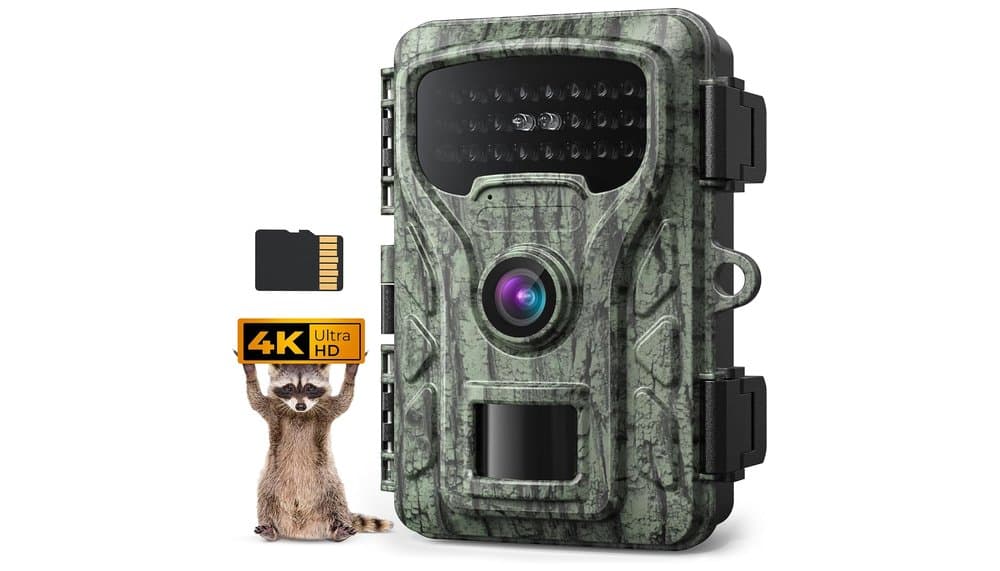
Caytail 4K 48MP Hunting Camera Review & Test
In-depth review of the Caytail 4K 48MP trail camera with included SD card. We analyze specs and real user feedback on its true field performance.
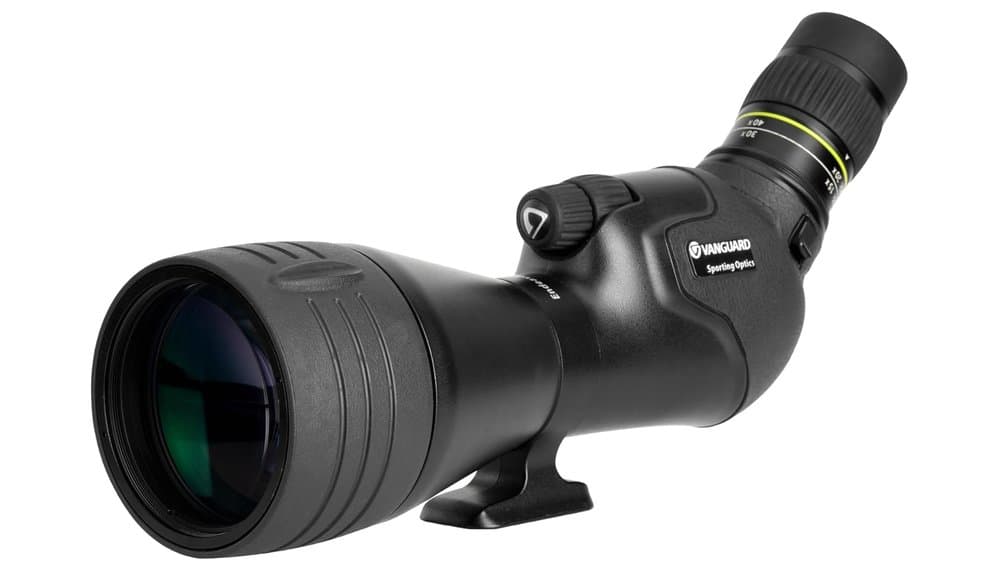
Vanguard Endeavor HD65A Spotting Scope Review
Spotting scope with 65mm ED glass & 15-45x zoom for birding & hiking. Balanced performance & portability for serious nature observers.
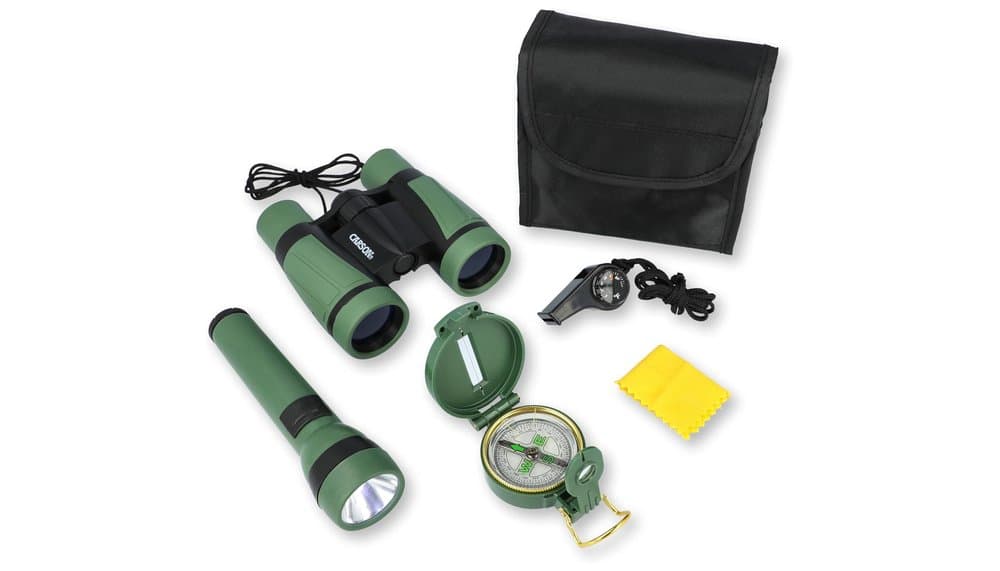
Carson AdventurePak Kids' Exploration Tool Kit Review
Explore nature with this kid's 5-piece tool kit for outdoor adventure and educational discovery. Perfect for young explorers.
Guides you might like
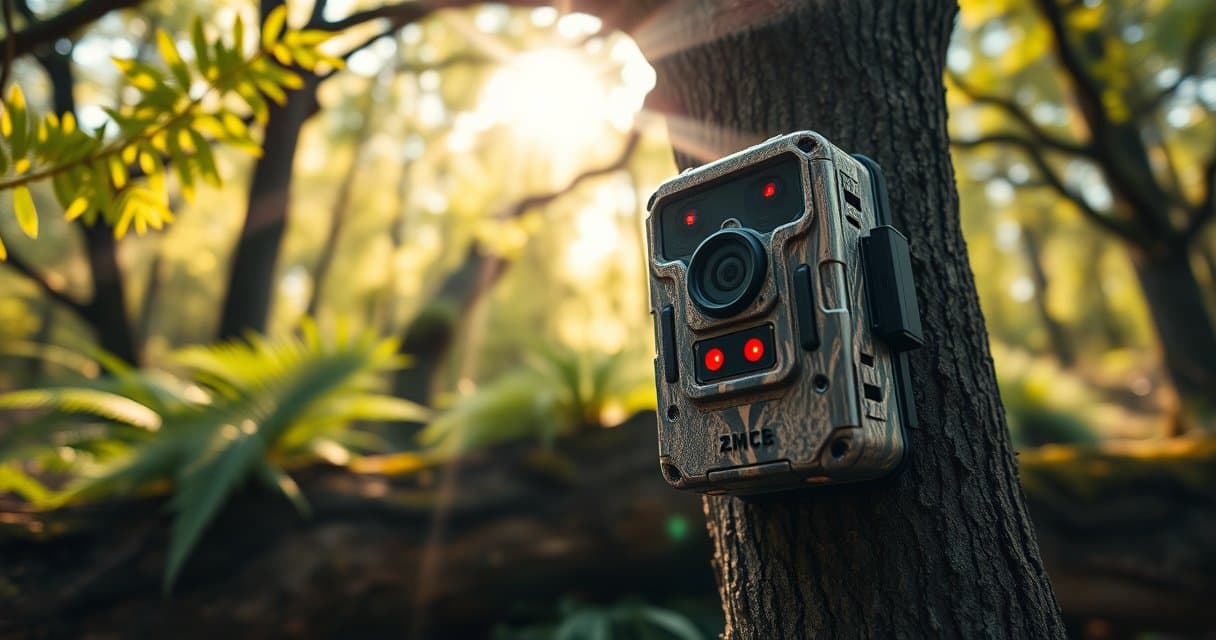
WiFi Trail Camera Guide
See wildlife discreetly from your couch! Learn how WiFi trail cameras let you monitor animals without disturbance and how to choose the right one.
Ultimate Travel Telescope Guide
Choose a portable, high-performance travel telescope to explore the universe from your backpack without compromising on essential astronomical views.
Ultimate Guide to Night Vision Binoculars
Choose the perfect night vision binoculars: Gen vs. digital? Unravel the tech to make your nighttime wildlife adventures a total success. Guide inside.