Ergonomic Binocular Backpack Thickened Case Review
Published on 29 June 2026 · By OptiqueNature
Review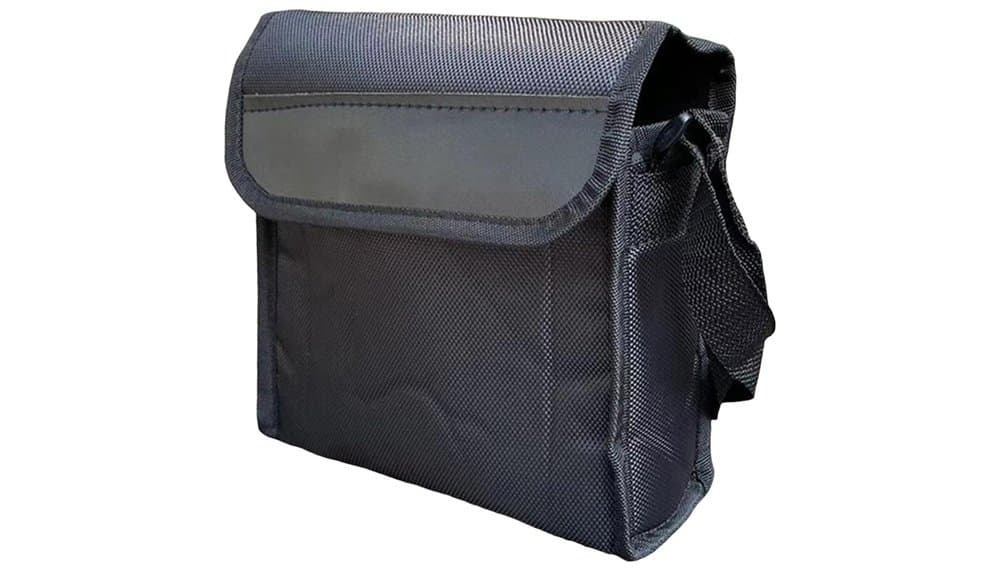
Introduction
In the world of nature observation, equipment is not limited to optics. Good transportation is essential to protect a sometimes significant investment and to make field experience smoother. Today, we are examining an accessory dedicated to this function: the Ergonomic Binocular Backpack Thickened Case. This product presents itself as a complete carrying solution, promising enhanced protection, quick access, and superior comfort of use. But how do these promises really hold up in the field? Through this article, we will analyze this bag in detail, breaking down its technical specifications and confronting its advertised features with the real needs of observers.
Key Strengths
- Ergonomic Carry and Freedom of Movement: The backpack format design, with an adjustable shoulder strap, is unanimously praised as a major advantage. It frees the user's hands, a crucial asset for hikers, photographers, or birdwatchers who need their hands to take notes, manipulate another device, or keep their balance on rough terrain.
- Serious Physical Protection: The label "Thickened Case" is not trivial. The main material and integrated padding are designed to absorb shocks and prevent scratches. This passive protection is the first line of defense for your binoculars against accidental drops or friction inside a larger bag.
- Lightweight Construction and Water Resistance: The use of waterproof fabric protects equipment from sudden showers, drizzle, or ambient humidity (dew, fog). Combined with a contained weight, this characteristic makes it an ally for outdoor activities where the weather can change quickly.
- Organization and Accessibility: The presence of additional pockets for accessory storage (phone, maps, small tools, filters) is a detail that matters. It avoids having to search through different pockets and allows having essentials within reach, thus rationalizing the gear taken into the field.
Weaknesses
- Fixed and Imprecise Size Capacity: The advertised dimensions (19 x 6 x 19 cm) correspond to a relatively compact format. The main pitfall here is the lack of flexibility. This bag will not suit large-format binoculars (like some 10x50, 12x50 models or large-objective binoculars), large-bodied spotting scopes, or binocular + mounted sunshade combinations. It is imperative to check the dimensions of one's own optics before purchase.
- Limited Protection Against Major Shocks: Although "thickened," this type of case remains soft protection. It is effective against minor impacts and scratches, but it can never replace the safety of a rigid case (molded shell) in case of a violent fall or crushing. This bag should be seen as a daily shield, not as a bank vault.
- Mixed Verdict on Finishing Quality: A recurring point in feedback on products of this type is the variability in manufacturing quality. The stitching, the robustness of zippers, and the real durability of the "waterproof" fabric cannot be 100% guaranteed on paper and often depend on the manufacturer's quality control.
- Basic "All-in-One" Functionality: This bag fulfills its primary transport function well. On the other hand, it does not include the advanced features found on high-end dedicated photography or observation bags, such as a harness-based quick-carry system, a dedicated tripod mount, a back compartment for a laptop/tablet, or a modular design.
Detailed Analysis
Protection and Construction: Between Comfort and Limits
The core proposition of the Ergonomic Binocular Backpack Thickened Case lies in its compromise between protection and practicality. The thick, padded fabric constitutes an effective barrier against daily wear and tear. For a naturalist carrying binoculars in the forest, this bag prevents scratches caused by branches or rubbing against a belt buckle. The waterproof property is a strong argument for users in humid environments: observing birds by the sea, near a lake, or in light rain. It avoids having to immediately put binoculars away at the first drop.
However, we must temper this enthusiasm. The actual protection standard is not certified (no mention of an IP rating or a water column meter rating). In practice, "waterproof" often means splash-resistant and resistant to light rain, but not submersible. Furthermore, the zipper remains a potential weak point for water-tightness if not protected by a flap.
Ergonomics and Field Use: The Real Revolution
It is in the field that this concept reveals its full value. Carrying as a backpack radically changes the experience compared to a classic side case. For a hiker, it balances the load and eliminates the annoying swing of a hip case. For a photographer practicing digiscoping, it leaves the torso free for carrying a tripod and camera head. The adjustable strap allows adaptation to different morphologies and clothing thicknesses.
The additional pockets for "mobile phone, cards, tools" address a real need for minimalist organization. It avoids overloading pant pockets or having to bring another bag. The claimed lightness also serves this purpose: the bag itself should not be a burden.
Comparison with Market Offerings
Let's now position this product within the landscape of optics transport accessories.
- Versus Traditional Soft Cases: It far surpasses them in terms of carrying comfort and freedom of movement. The traditional case, often supplied with binoculars, is passive and must be held in hand or hung around the neck, which can become tiring.
- Versus Rigid Cases: It is less protective but infinitely more practical and lightweight. The rigid case is the option for secure transport by plane, car, or for maximum protection, but it is bulky and rarely used during active use.
- Versus Dedicated Photo Bags: It is cheaper and simpler. A photo bag with customizable foam compartment will offer custom-fit protection and more modularity, but will be heavier, more conspicuous, and often over-equipped for a simple observation outing.
The Ergonomic Binocular Backpack Thickened Case therefore fits into a pertinent niche: that of the active field case, for the user who wants protection superior to the original case and optimal carrying comfort, without the constraints of a complex system or a rigid case.
Technical Specifications
| Characteristic | Detail |
|---|---|
| Product Name | Ergonomic Binocular Backpack Thickened Case |
| Type | Backpack / Soft case for binoculars |
| External Dimensions (Advertised) | 19 cm (L) x 6 cm (W) x 19 cm (H) |
| Main Material | Unspecified fabric (described as "good fabric", "thickened") |
| Key Property | Waterproof fabric |
| Carrying System | Single adjustable shoulder strap |
| Organization Features | Additional pockets for small accessories |
| Weight | Lightweight (value unspecified) |
| Package Contents | 1 x Portable Backpack for Binoculars |
Note: The manufacturer specifies that a tolerance of 1-2 cm on dimensions is possible due to manual measurement.
What Users Say
An analysis of community feedback on this product and similar products reveals clear trends.
The recurring positive points highlighted by users are:
- The comfort of backpack carry is consistently praised. Testers emphasize how much of a game-changer it is during long outdoor sessions, especially for activities like mountain hiking or birdwatching that require covering distance.
- The basic but effective protection is appreciated. Users note that the padding protects well against daily knocks and that the fabric holds up reasonably well to light wet conditions (drizzle, melting snow).
- The lightness and simplicity are seen as assets. This bag is perceived as an addition that does not complicate the outing, unlike bulkier equipment.
The criticisms and points of caution often reported are:
- The sometimes misleading size. Several reviews of such bags mention that the actual internal dimensions can be tight, even a bit small compared to advertisements, making it difficult to store binoculars with their eyecups extended or a slightly bulkier model.
- Questions about long-term durability. Some users express doubts about the resistance of zippers and stitching after several months of intensive use, pointing to sometimes uneven manufacturing quality between batches.
- Relative water resistance. The community notes that while the fabric resists water, non-waterproof zippers can let water in during sustained rain. It is often recommended to treat the bag with a waterproofing spray to reinforce this protection.
Conclusion
The Ergonomic Binocular Backpack Thickened Case is not a technical revolution, but it offers a significant ergonomic improvement over standard binocular transport solutions. Its analysis reveals a product that knows exactly what it is: a practical, lightweight, and protective accessory designed for the active user on the move.
It is a particularly judicious choice for the hiking birdwatcher, the exploring naturalist, or the nomadic photographer who wants to keep their binoculars accessible and secure without sacrificing comfort or mobility. Conversely, it is not the ideal solution for someone seeking inviolable protection for high-end equipment during challenging transport, or for the user owning very bulky optics.
In summary, this bag brilliantly fulfills its role as a smart field case. It does not protect like a rigid shell, but it protects better than a classic soft case, while offering unmatched carrying comfort in its price category. For anyone spending time hiking trails with binoculars slung over their shoulder, this simple mutation from the "case" format to the "backpack" format can represent a small daily improvement that is very much appreciated.
100% free and independent — All our articles are written independently, without any sponsorship. We may earn a commission on purchases made through our links, at no extra cost to you.
Articles you might like
Carson AdventurePak Kids' Exploration Tool Kit Review
Explore nature with this kid's 5-piece tool kit for outdoor adventure and educational discovery. Perfect for young explorers.
BOSTRON CY 10x50 Monocular Review & Test
Compact 10x50 monocular review: Analyzes optical clarity, field of view & build quality for hiking, nature & astronomy. See its true value.
FunKind HC600Pro 4G Trail Camera Review
FunKind HC600Pro solar-powered 4G trail camera review. Analyzes real-time wildlife monitoring specs, solar/battery power, and performance data.
Guides you might like
WiFi Trail Camera Guide
See wildlife discreetly from your couch! Learn how WiFi trail cameras let you monitor animals without disturbance and how to choose the right one.

Ultimate Travel Telescope Guide
Choose a portable, high-performance travel telescope to explore the universe from your backpack without compromising on essential astronomical views.
Ultimate Guide to Night Vision Binoculars
Choose the perfect night vision binoculars: Gen vs. digital? Unravel the tech to make your nighttime wildlife adventures a total success. Guide inside.