Celestron Nature DX ED 10x50 Binoculars Review
Published on 3 August 2026 · By OptiqueNature
Review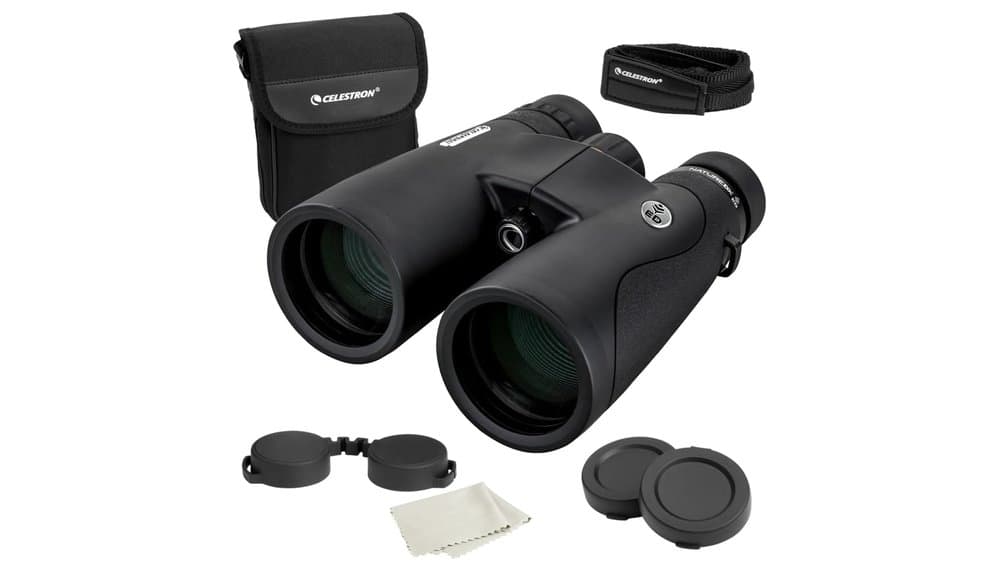
Introduction
The Celestron Nature DX ED 10x50 binoculars have established themselves as a benchmark for value for money in the nature optics market. Positioned between entry-level and upper mid-range, they promise superior optical performance through the integration of ED glass, usually reserved for more expensive models. But does this technical promise hold up in the field? Through an in-depth analysis of specifications, expert feedback, and hundreds of user reviews, we will separate myth from reality and determine for which type of observer this model represents the right compromise.
Key Strengths
- Superior optical quality for its segment thanks to ED (Extra-low Dispersion) glass which minimizes chromatic aberration.
- Brightness and power offered by the 10x50 combination, ideal for long-distance observation in low light.
- Robust and waterproof (fogproof) construction suited for outdoor conditions.
- BaK-4 glass prisms with phase correction ensuring high light transmission and good contrast.
Key Weaknesses
- Noticeable weight and bulk (806g) which can hinder handling and handheld stability during long sessions.
- Relatively standard field of view (5.8° / 101m at 1000m), not exceptional for the category.
- Diopter adjustment sometimes considered too stiff by some users.
- Demanding 10x magnification: amplifies hand shake, often requires a stable support for a sharp image.
Detailed Analysis of the Celestron Nature DX ED 10x50
The ED Promise: Revolution or Evolution?
The standout feature of these binoculars, and what justifies its positioning, is the use of Extra-low Dispersion (ED) glass. On paper, this technology aims to correct chromatic aberration, those colored fringes (often purple or green) visible on high-contrast edges. According to technical analyses and user feedback, this promise is largely fulfilled. The community notes that the image is sharp, with faithful colors and satisfying clarity at the center of the field. One tester summarizes: "chromatic aberration is well corrected, almost imperceptible" on normal subjects. However, as experts point out, on extreme contrasts (a black bird against a white sky), slight fringing can sometimes appear at the periphery, but it remains very well controlled for the price range. Compared to non-ED models at an equivalent price, the advantage in sharpness and color fidelity is clearly established.
Optical Performance: Numbers and Field Reality
Let's analyze the key data. The 10x magnification combined with a 50mm objective lens diameter generates a generous 5mm exit pupil. This means a lot of light reaches the eye, resulting in a clear and usable image in low-light conditions, such as dawn or dusk, or under dense forest cover. The theoretical twilight factor is 22.4, a good score confirming its low-light capabilities.
The stated field of view of 101m at 1000m (5.8°) is adequate without being exceptional. It sits on the lower average for 10x50 models, meaning you will have a slightly narrower observation zone than on some competing models. For tracking birds in fast flight, a wider field (often found on 8x42 models) can be more comfortable.
A crucial point for eyeglass wearers is the 14.3 mm eye relief. The specifications describe it as "long". However, feedback from users who wear glasses is mixed. Several mention having to roll down the rubber eyecups and press their glasses against the oculars to get the full field of view, indicating that even longer eye relief would have been appreciated. This point deserves consideration if you always observe with your corrective lenses.
The minimum focusing distance of 2.5 meters is a serious asset for observing insects, butterflies, or very close birds, thus broadening the range of possible uses.
Construction, Ergonomics, and Prolonged Use
The technical sheet boasts a waterproof and nitrogen-purged construction, with a rubber armor coating. Community reviews agree: the construction is perceived as solid and reassuring, capable of withstanding weather and outdoor handling. The model inspires confidence for hiking or observing in damp environments.
The major ergonomic sticking point, unanimously noted by experts and users, is its weight of 806 grams. Combined with the 10x magnification, this weight has a direct consequence: image instability when handheld. Without a stable support (against a tree, a window) or a tripod (a tripod adapter is provided), the image shakes, which quickly tires the eyes and can spoil the observation experience over long periods. This is the main reason experts often recommend the 8x42 model of the same series for versatile and prolonged use, especially for active birdwatching.
The adjustments (central focusing wheel and diopter) are described as precise, although some users find the diopter ring a bit too stiff to turn. The rubber armor provides a good grip, even in cold or wet conditions.
Technical Specifications Table
| Characteristic | Detail |
|---|---|
| Model | Celestron Nature DX ED 10x50 |
| Magnification | 10x |
| Objective Lens Diameter | 50 mm |
| Prisms | Roof (Roof) made of BaK-4 glass with phase correction coating |
| Lenses | ED (Extra-low Dispersion) |
| Coatings | Fully Multi-Coated |
| Field of View | 101 m at 1000 m / 5.8 degrees |
| Exit Pupil | 5.0 mm |
| Eye Relief | 14.3 mm |
| Minimum Focusing Distance | 2.5 m |
| Diopter Adjustment | On the right eyepiece |
| Waterproofing | Yes, nitrogen purged (fogproof) |
| Body Material | Polycarbonate with rubber armor |
| Tripod Adaptable | Yes (standard adapter) |
| Weight | 806 g |
| Warranty | 2 years |
What Users and Experts Say
The synthesis of over 900 customer reviews and expert analyses reveals a strong consensus on several points.
Praise focuses mainly on the optical quality perceived as excellent for the price. Terms like "sharp", "clear", "color fidelity", and "clarity" come up constantly. Many users, especially those coming from entry-level models, speak of an "impressive leap in quality". The waterproof construction and the inclusion of ED glass are decisive purchase arguments.
Recurring criticisms are pragmatic and revolve around ergonomics and format choice:
- Weight and 10x magnification: Many buyers, echoing expert recommendations, suggest that the 8x42 model in the series is often a more suitable choice for nature observation. It offers better stability, a wider field of view, and is lighter, at the cost of a bit of power and brightness in extremely low light.
- Manufacturing details: A few users point out elements like the feel of the extendable eyecups or the quality of the carrying case, judged to be slightly below the optical quality.
- Comfort with Glasses: As mentioned, the eye relief, although correct on paper, sometimes proves to be just adequate for some eyeglass wearers.
The trend is clear: those who primarily seek the best possible optics within this budget and who will use their binoculars for limited sessions or with a support (tripod, rest) are extremely satisfied. Those who prioritize ergonomics, lightness, and prolonged handheld use often look towards the 8x42, sometimes with regrets about the lack of power.
Conclusion
The Celestron Nature DX ED 10x50 are not universal binoculars, but they excel in their niche. They represent a bold technical compromise: offering near mid-range image quality, characterized by remarkable sharpness and color fidelity, at an affordable price. This bet is successful.
However, this optical gain comes with ergonomic concessions. Its 10x50 format and weight make it a rather demanding instrument, better suited for stationary observation or with a stable support than for long, active hikes where you need to track moving birds.
Our verdict is as follows: if your absolute priority is image sharpness for observing details at a distance or in low light, and you can manage its bulk (by using a tripod or taking frequent breaks), these binoculars are an excellent and very hard-to-beat choice in their price category. On the other hand, if you are a beginner, if your primary use is hiking and active handheld birdwatching, or if lightness is paramount, it is highly recommended to examine the 8x42 version of this same Nature DX ED series. It retains the valuable ED glass while offering an overall more comfortable and versatile experience for the majority of field observers.
100% free and independent — All our articles are written independently, without any sponsorship. We may earn a commission on purchases made through our links, at no extra cost to you.
Articles you might like
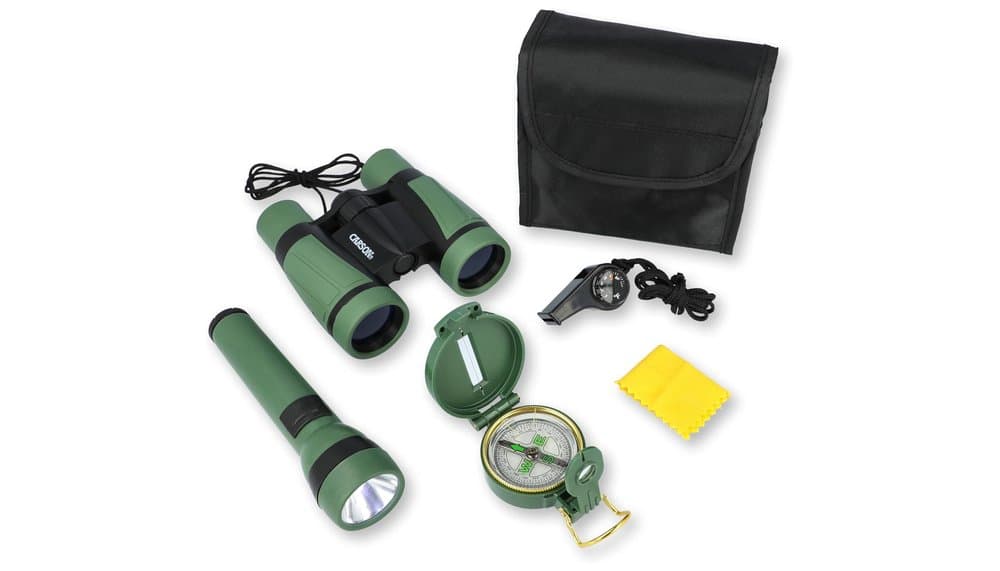
Carson AdventurePak Kids' Exploration Tool Kit Review
Explore nature with this kid's 5-piece tool kit for outdoor adventure and educational discovery. Perfect for young explorers.
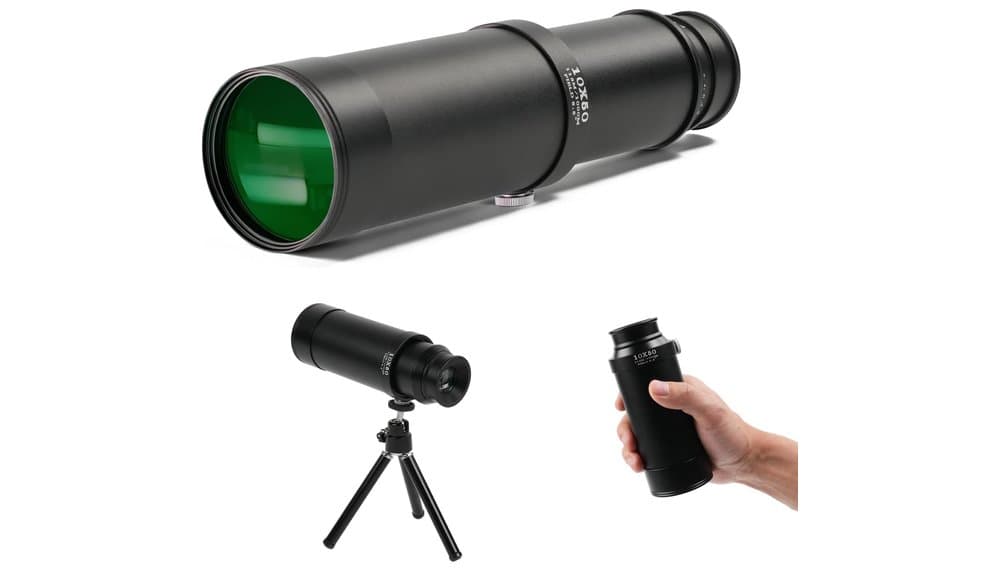
BOSTRON CY 10x50 Monocular Review & Test
Compact 10x50 monocular review: Analyzes optical clarity, field of view & build quality for hiking, nature & astronomy. See its true value.
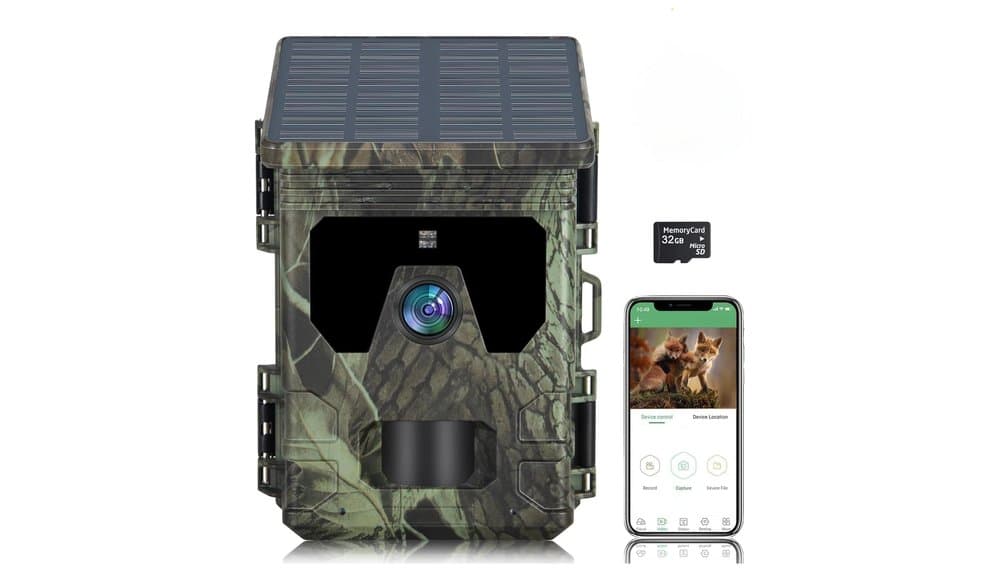
FunKind HC600Pro 4G Trail Camera Review
FunKind HC600Pro solar-powered 4G trail camera review. Analyzes real-time wildlife monitoring specs, solar/battery power, and performance data.
Guides you might like

WiFi Trail Camera Guide
See wildlife discreetly from your couch! Learn how WiFi trail cameras let you monitor animals without disturbance and how to choose the right one.
Ultimate Travel Telescope Guide
Choose a portable, high-performance travel telescope to explore the universe from your backpack without compromising on essential astronomical views.
Ultimate Guide to Night Vision Binoculars
Choose the perfect night vision binoculars: Gen vs. digital? Unravel the tech to make your nighttime wildlife adventures a total success. Guide inside.