Buying Guide: How to Choose and Use Binoculars
Published on 27 May 2026 · By OptiqueNature
Review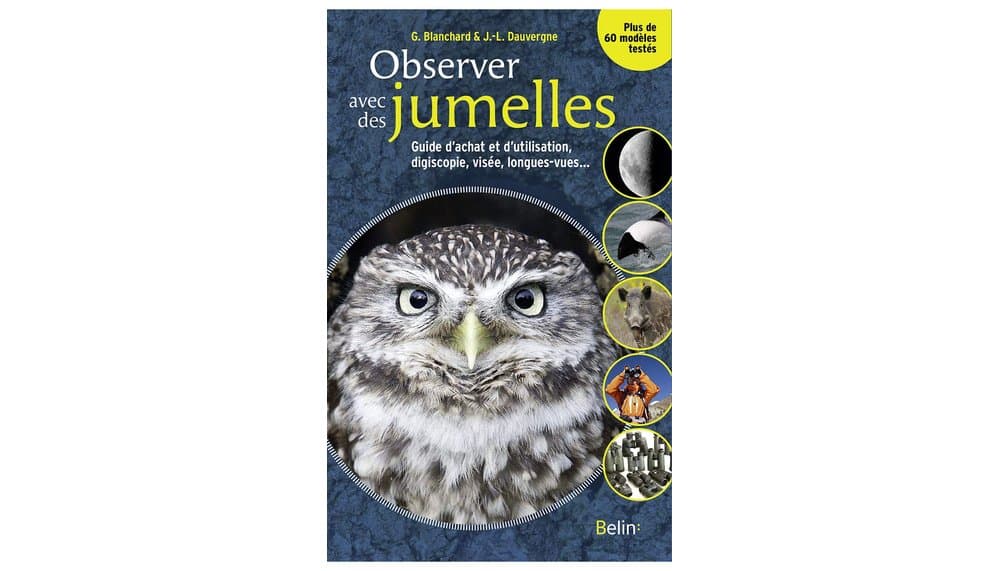
Introduction
In a market where choice is often overwhelming, selecting the ideal pair of binoculars can sometimes feel like an uphill battle. Between technical specifications, price ranges, and varied uses, it's easy to get lost. Observer avec des jumelles: Guide d'achat et d'utilisation positions itself as an answer to this problem. Presented as the first comprehensive guide in French on the subject, this book aims to be the essential compass for both beginners and more experienced observers. We will dissect its content, its approach, and its real utility here, based on editorial specifications, the expertise context of its authors, and, above all, on concrete feedback from the community of readers.
Strengths
- A unique guide in French: The book's main strength, unanimously highlighted, is that it fills a void. Before its publication, no resource this comprehensive and structured existed in our language on this specific topic.
- An exhaustive and pedagogical approach: The book does not just list models. It offers a complete journey, from the history of binoculars to their advanced use, including a clear explanation of technical criteria (field of view, light transmission, lens coatings).
- Solid comparative tests: The most anticipated part is the test bench. The authors tested more than 60 models of binoculars, ranging from entry-level to premium references, on several optical benches. This database is a goldmine of information for comparison.
- Accessible to non-experts: Despite the technicality of the subject, testers and readers agree that the book remains readable and understandable, even for someone discovering the field.
Weaknesses
- Non-standardized tests: One astute critic, while praising the effort, points out a methodological limitation. The tests were not all conducted under the same conditions or with the same test charts, which can make fine comparisons between closely performing models less obvious.
- A focus on classic formats: User reviews note a concentration on common objective diameters (42mm, 50mm). One reader was particularly disappointed by the absence of tests on large-objective binoculars (80mm, 100mm), which are very popular for astronomy, judging the book less complete on this segment.
- A sometimes heavy style: While the content is rich, at least one reader found that the writing style could be a bit heavy, making the reading less fluid at times.
- A 2016 edition: By nature, a buying guide based on equipment tests ages. The models tested are those available at the time of writing. However, the authors maintain up-to-date some tests on their website.
Detailed Analysis
A Structure That Guides from A to Z
The book is not a simple catalog. It is structured to accompany the reader through a logical process. First, it lays the foundation: understanding how binoculars work, deciphering the meaning of the numbers (8x42, 10x50), and mastering key concepts like field of view, exit pupil, eye relief (crucial for glasses wearers) or light transmission. This first part is fundamental as it gives the reader the tools to understand the tests and make an informed choice.
Technical Insight: Beyond Marketing
Where this guide excels is in its ability to demystify the marketing jargon of manufacturers. It concretely explains the impact of low-dispersion lenses (ED, HD, FL), phase coatings on roof prisms, and multi-layer dielectric coatings. Rather than just making claims, the authors contextualize: in which cases do these technologies make a notable difference? Are they justified on an entry-level model? This approach helps in understanding the sometimes dizzying price gaps between a consumer-grade pair and a high-end reference like a Swarovski EL or a Zeiss Victory.
The Tests: A Broad Panorama but to be Contextualized
The core of the book is its test bench. The list of tested models, provided by a reader, is impressive and indeed covers budget, mid-range, and premium segments. The analysis of each model is not limited to raw measurements. The testers also evaluate ergonomics, build quality (waterproofing, armor), mechanical finish, and the feel in use. This is valuable, as binoculars are an instrument one handles for hours.
However, as one expert review points out, the methodology presents some limitations for measurement purists. The absence of perfectly standardized tests (with resolutions measured in arcseconds, for example) means that one sometimes has to rely on the testers' impressions to distinguish between very close models. The book nonetheless remains extremely effective for identifying good products in each price and usage category.
Addressing Specific Needs
The guide intelligently addresses typical use cases. It directs the reader towards models suitable for hiking (lightweight, compact), birdwatching (wide field, excellent brightness, close focus), astronomy (large objective diameter, generous exit pupil), or even digiscoping. The chapter dedicated to the latter practice, which involves adapting a smartphone to binoculars or a spotting scope, is particularly appreciated by readers and shows the authors' willingness to cover modern uses.
Summary Technical Sheet
| Category | Details |
|---|---|
| Product Type | Practical guide and test bench |
| Authors | Jean-Luc Dauvergne and Guillaume Blanchard (recognized specialists) |
| Language | French |
| Approach | Pedagogical, technical, and comparative |
| Number of models tested | More than 60 binoculars |
| Segments covered | Budget, mid-range, premium |
| Main objective diameters tested | 25mm, 42mm, 50mm, 56mm (and some atypical models) |
| Related topics covered | History of binoculars, optical technique, digiscoping, spotting scopes, maintenance |
| Major asset | Unique and exhaustive resource in French |
What Users Say
The synthesis of customer reviews and expert feedback shows a very clear consensus.
The recurring positive points are unanimous. Readers praise the indispensable and unique nature of the work. They find the technical explanations clear and useful for making an informed choice. The historical part and the visits to manufacturers (Leica, Zeiss) are described as fascinating. Most consider this book a treasure trove of information and highly recommend it to any nature or optics enthusiast. The average rating of 4.4/5 stars reflects this.
Criticisms mainly concern practical limitations. Some more technically demanding readers regret the lack of perfect test standardization, which prevents them from making ultra-precise metrological comparisons. One user interested in astronomy was disappointed by the absence of tests on very large objective binoculars (>70mm), a niche but important segment. Finally, the age of the edition (2016) is a factor to consider, even if the fundamental principles and tests of flagship models remain relevant. The partial update on the authors' website is a positive point to mitigate this drawback.
Conclusion
Observer avec des jumelles: Guide d'achat et d'utilisation is much more than just a book: it is a reference tool. Our objective analysis confirms that it perfectly fulfills its primary mission: to demystify the complex world of binoculars and allow everyone to make a rational choice suited to their needs, whether for observing birds, admiring a landscape, or scrutinizing the starry sky.
While it has certain limitations, particularly for amateur astronomers looking for tests on very specific models or for optical measurement purists, its strengths far outweigh its weaknesses. The quality of its pedagogy, the scale of its testing work, and its status as a unique work in French make it a wise investment for any enthusiast wishing to move from simple consumption to understanding and informed choice. It is the ideal companion before, during, and after your binocular purchase.
100% free and independent — All our articles are written independently, without any sponsorship. We may earn a commission on purchases made through our links, at no extra cost to you.
Articles you might like
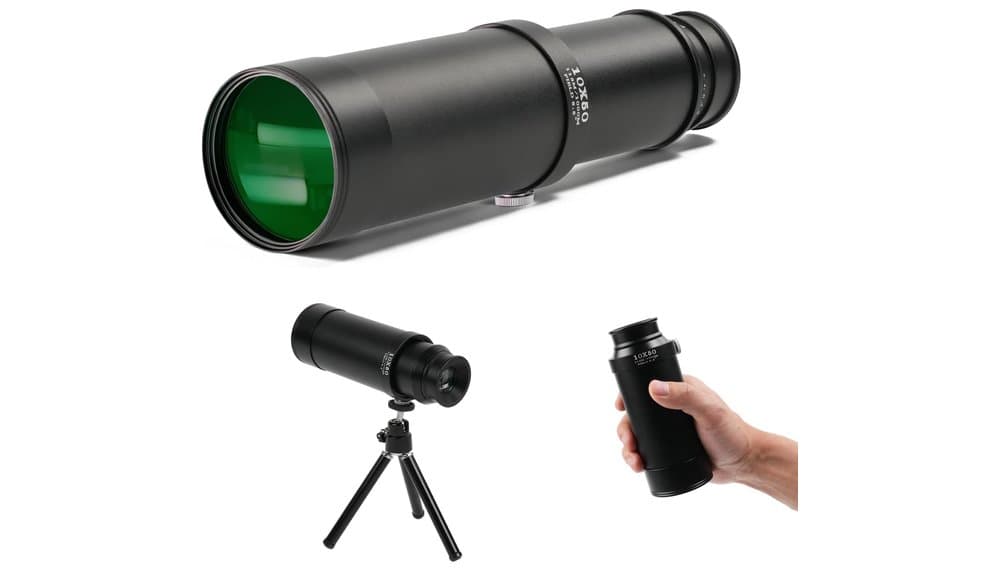
BOSTRON CY 10x50 Monocular Review & Test
Compact 10x50 monocular review: Analyzes optical clarity, field of view & build quality for hiking, nature & astronomy. See its true value.
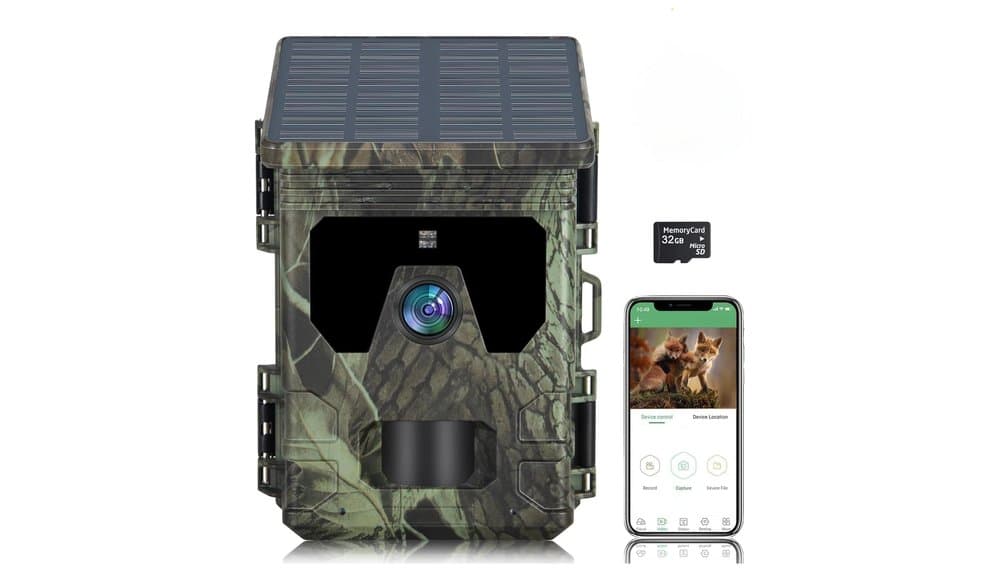
FunKind HC600Pro 4G Trail Camera Review
FunKind HC600Pro solar-powered 4G trail camera review. Analyzes real-time wildlife monitoring specs, solar/battery power, and performance data.
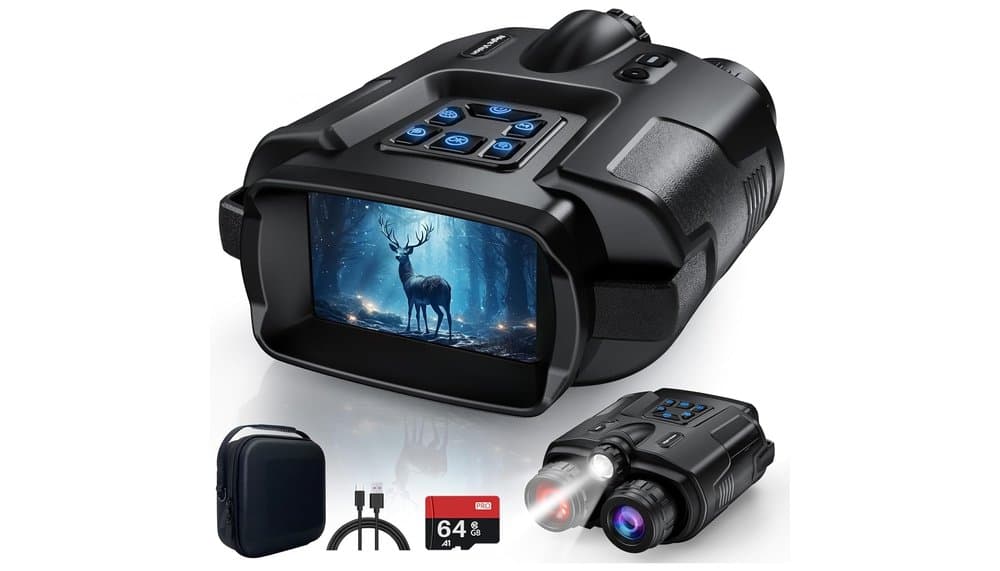
Haokoo Vision Nocturne 4K Night Vision Binoculars Review
Haokoo 4K Night Vision Binoculars review: See & record in total darkness. Compact, versatile for nature observation. High-definition digital performance.
Guides you might like
WiFi Trail Camera Guide
See wildlife discreetly from your couch! Learn how WiFi trail cameras let you monitor animals without disturbance and how to choose the right one.
Ultimate Travel Telescope Guide
Choose a portable, high-performance travel telescope to explore the universe from your backpack without compromising on essential astronomical views.
Ultimate Guide to Night Vision Binoculars
Choose the perfect night vision binoculars: Gen vs. digital? Unravel the tech to make your nighttime wildlife adventures a total success. Guide inside.