Bresser Messier AR-152S Telescope Review & Test
Published on 29 April 2026 · By OptiqueNature
Review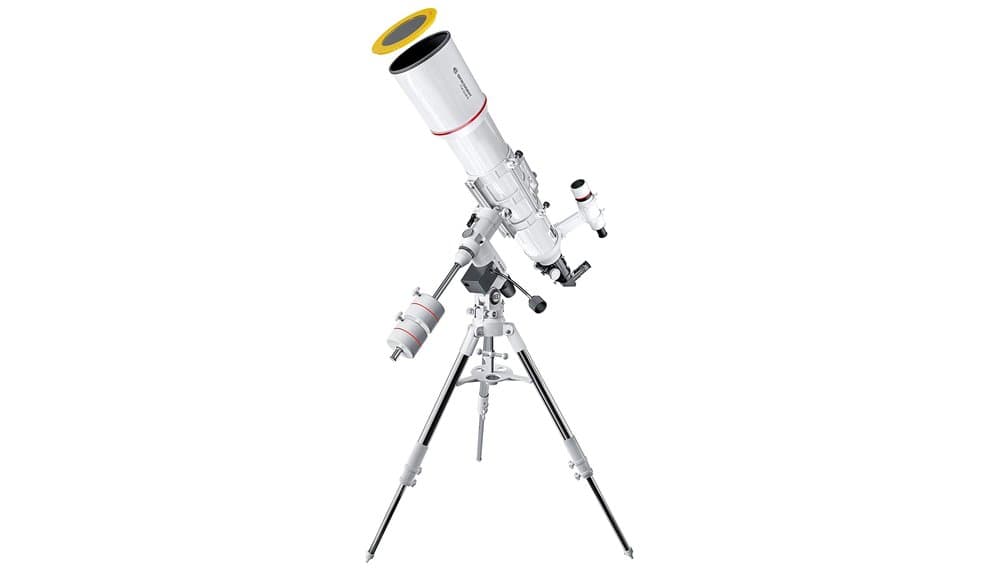
Introduction
Today, we are examining an instrument that sparks debate within the amateur astronomy community: the Bresser Messier AR-152S/760 EXOS-2/EQ5 Telescope. This is a large-diameter achromatic astronomical refractor, mounted on a robust equatorial mount, sold as a complete kit that even includes a GoTo system. On paper, the specifications are enticing: a 152 mm aperture with a 760 mm focal length (f/5). But our focus here is to go beyond the numbers and understand what this instrument truly offers in practice, by cross-referencing its technical characteristics with expert reviews and user experiences. The goal is to objectively assess its strengths and weaknesses to determine which observer profile it is genuinely suited for.
Key Strengths
- High Brightness for Deep Sky: The generous 152 mm aperture collects a significant amount of light, making it a potentially high-performing instrument for observing nebulae, open clusters, and galaxies.
- Stable Equatorial Mount: The EXOS-2 (EQ5) mount is known for its robustness and load capacity (up to 13 kg). It provides a stable base for the optical tube, essential for precise and comfortable observing.
- A Complete Ready-to-Use Kit: The inclusion of a motorized GoTo system, tripod, counterweights, finderscope, and eyepieces makes this package an all-in-one solution, reducing initial additional purchases.
- Short Focal Ratio (f/5): This configuration allows for relatively wide fields of view and shorter exposure times for deep-sky astrophotography compared to instruments with longer focal ratios.
Key Weaknesses
- Pronounced Chromatic Aberration: As a classic achromat, this refractor suffers from notable chromatic aberration, manifesting as colored fringes (primarily purple/green) around bright objects like the Moon, Jupiter, or Venus. This point is consistently cited as its major flaw.
- Considerable Size and Weight: With a tube nearly 1.10 meters long and a total weight exceeding 30 kg once assembled, the setup is not very portable or easy to handle. It requires a fixed observing location and a non-negligible setup and polar alignment time.
- Entry-Level Accessories: Based on community feedback, certain elements like the provided finderscope and eyepieces are often considered priority items to upgrade in order to get the most out of the optics.
- Demanding Setup Requirements: An EQ5-type equatorial mount requires precise polar alignment (alignment on the Pole Star) to be effective, especially with the GoTo system. This represents a learning curve for beginners.
Detailed Analysis of the Bresser Messier AR-152S/760
Optical Quality and Visual Performance
The heart of this instrument is its 152 mm diameter achromatic objective lens. Brightness is undeniably its primary asset. It reveals an impressive amount of detail in faint deep-sky objects. The field of view, with the supplied 26 mm eyepiece (providing 29x magnification), is sufficiently wide to frame large objects like the Orion Nebula or the Pleiades cluster.
However, the trade-off for this large aperture with a short focal ratio (f/5) is chromatic aberration. Testers emphasize that this aberration is visible and can interfere with high-contrast observation. For planetary observation at high magnification, this defect becomes more apparent. Therefore, one should not expect the chromatic neutrality of an apochromat or a reflector telescope. The optics are designed to prioritize light-gathering and wide field at the expense of perfect chromatic correction.
Light transmission is good thanks to anti-reflection coatings on the lenses, but it does not reach the levels of instruments with ED glass or advanced coatings. The exit pupil will always be large with this configuration, which is comfortable for the eye but makes images less contrasty under light-polluted conditions.
Build Quality and Ergonomics
The construction is generally considered solid and robust. The steel tube is heavy (10.6 kg) and the chrome-plated steel tripod ensures firm stability once properly deployed and weighted. This robustness is an asset for image stability, especially in a light breeze.
However, this sturdiness comes at the cost of portability. The setup is not designed for the hiker or nomadic observer. It is an instrument for the garden or a semi-fixed observing site. Handling is cumbersome. Setting up and aligning the EXOS-2 mount are crucial and time-consuming steps. The community notes that the axis movements, although generally smooth, can benefit from some adjustment and that the GoTo system, if well calibrated, greatly simplifies pointing afterwards.
The supplied eyepiece (1.25") is often criticized as the weak link. Experienced observers almost universally recommend replacing it with higher-quality eyepieces to fully exploit the potential of the 152 mm aperture. The 8x50 finderscope is a useful accessory suited to the instrument, although its optical quality is sometimes judged as average.
Typical Use Cases
- Deep Sky Astronomical Observation: This is its preferred domain. Its large aperture makes it an excellent photon collector for galaxies, nebulae, and clusters. This is where it truly shines.
- Lunar Observation: The Moon is magnificent, with a wealth of detail, but chromatic aberration will be visible on the edges of brightly lit craters.
- Planetary Observation: Possible and rewarding with good eyepieces and stable skies, but limited by chromatic aberration. It will not reach the level of detail and contrast of a Newtonian telescope or an apochromatic refractor of the same diameter.
- Deep Sky Astrophotography (with reservations): The f/5 ratio is interesting. Coupled with a field flattener/reducer and a camera, the tube can be used for imaging. However, chromatic aberration will need to be corrected in post-processing, and the EQ5 mount, even when motorized, may show its limitations for very long exposures without auto-guiding.
- Terrestrial Observation: Theoretically possible but impractical due to the inverted image (requires an expensive 2" corrector diagonal), bulk, and weight. This is clearly not its intended purpose.
Comparison and Value for Money
In the segment of large-diameter, low-priced astronomical refractors, the Bresser Messier AR-152S/760 occupies a unique place. It offers a lot of aperture for a constrained budget. It easily outperforms small 70 to 100 mm refractors in terms of deep-sky capabilities.
However, it is important to compare like with like. At a similar price, a 150/750 mm Newtonian telescope will generally offer better chromatic correction (thanks to the mirror) and might be more versatile for planets, while being equally bulky. A 100 mm apochromatic (APO) refractor will be much better corrected, much more portable, but also much more expensive and less bright.
Its real competitor, therefore, is chromatic aberration itself and the observer's willingness to accept it in exchange for more light. For the amateur who wants to get started in deep-sky observing with a powerful instrument and a solid mount without investing in high-end gear, this kit represents definite value. For the observer demanding pure image quality, particularly on planets, the compromises will likely be too significant.
Summary Technical Specifications
| Characteristic | Specification |
|---|---|
| Type | Achromatic Astronomical Refractor |
| Objective Lens Diameter (Aperture) | 152 mm |
| Focal Length | 760 mm |
| Focal Ratio (Aperture) | f/5 |
| Mount | Motorized EXOS-2 (EQ5) Equatorial GoTo Mount |
| Maximum Mount Payload | ~13 kg |
| Finderscope | 8x50 Illuminated Reticle |
| Supplied Eyepiece | 26 mm (1.25") - 52° - Magnification 29x |
| Accessory Diameter | 2" and 1.25" (with adapter) |
| Optical Tube Weight | 10.6 kg |
| Estimated Total Weight (with counterweights) | ~31.2 kg |
| Included Accessories | Steel Tripod, 2 x 4.5 kg Counterweights, 1.25" Mirror Diagonal, Smartphone/Camera Holder, Filters, Stellarium Software |
| Primary Uses | Deep Sky Observation, Lunar, Planetary (with reservations), Astrophotography (with adaptation) |
What Users and Experts Say
Synthesizing available feedback from specialized forums and expert analyses paints a clear consensus.
Recurring positive points revolve around the light-gathering power for the price. Users are often impressed by the amount of detail visible in nebulae and galaxies compared to smaller instruments. The stability of the EXOS-2 mount is also highly appreciated once properly polar-aligned and balanced. The inclusion of the GoTo system in the package is seen as a real plus for navigating the sky without frustration.
The negative points are just as unanimous. Chromatic aberration is the number one complaint. It is described as significant and unavoidable on bright objects. Weight and bulk are the second major sticking point: the kit is perceived as a "monster" that is difficult to transport and set up alone. Finally, the quality of the original accessories, especially the eyepiece, is deemed insufficient. Most owners recommend budgeting for at least one or two higher-quality eyepieces (e.g., a wide-field eyepiece like a 68° or 82° type) and possibly a field flattener/reducer for astrophotography.
Conclusion
The Bresser Messier AR-152S/760 EXOS-2/EQ5 Telescope is an instrument that does not leave one indifferent. It embodies a deliberate choice: prioritizing aperture and light-gathering at an accessible price, while accepting the optical compromises inherent in its short-focus achromatic design.
It is perfectly suited for the amateur astronomer passionate about deep sky objects, who has fixed storage space near their observing site (garden, terrace) and is ready to accept the presence of chromatic aberration on bright objects. It is a solid and powerful platform for exploring the depths of the night sky.
Conversely, we do not recommend it for observers seeking optical perfection for planetary observation, for those with transport or storage constraints, or for complete beginners who might be discouraged by the complexity of polar-aligning an equatorial mount of this size and by the visible chromatic defects. For the latter, an instrument with a more modest aperture but better correction, or a Dobsonian telescope of the same diameter, might constitute a more suitable and less frustrating choice.
It is therefore a specialized tool, powerful in its domain, but one that requires its user to understand and accept its limitations.
100% free and independent — All our articles are written independently, without any sponsorship. We may earn a commission on purchases made through our links, at no extra cost to you.
Articles you might like
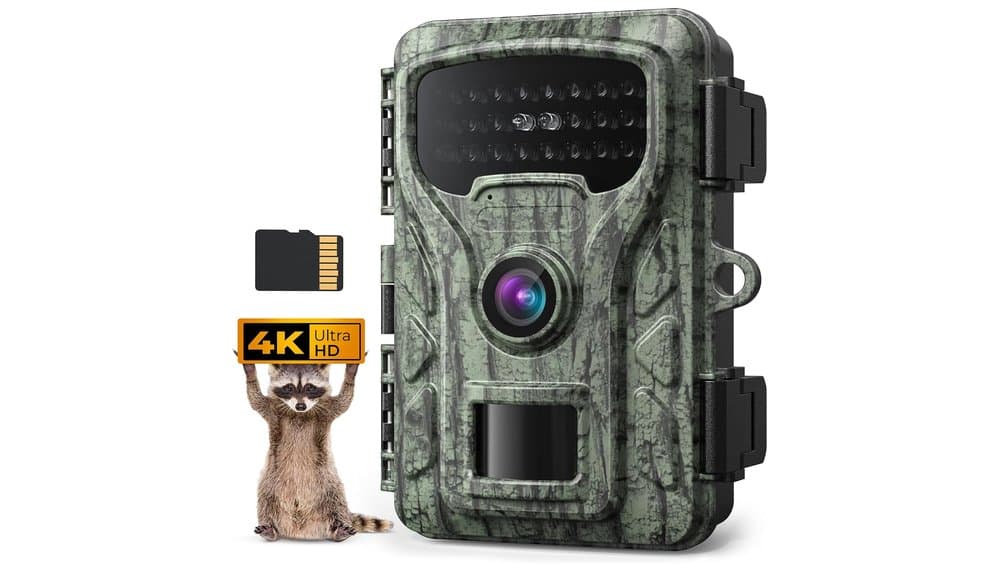
Caytail 4K 48MP Hunting Camera Review & Test
In-depth review of the Caytail 4K 48MP trail camera with included SD card. We analyze specs and real user feedback on its true field performance.
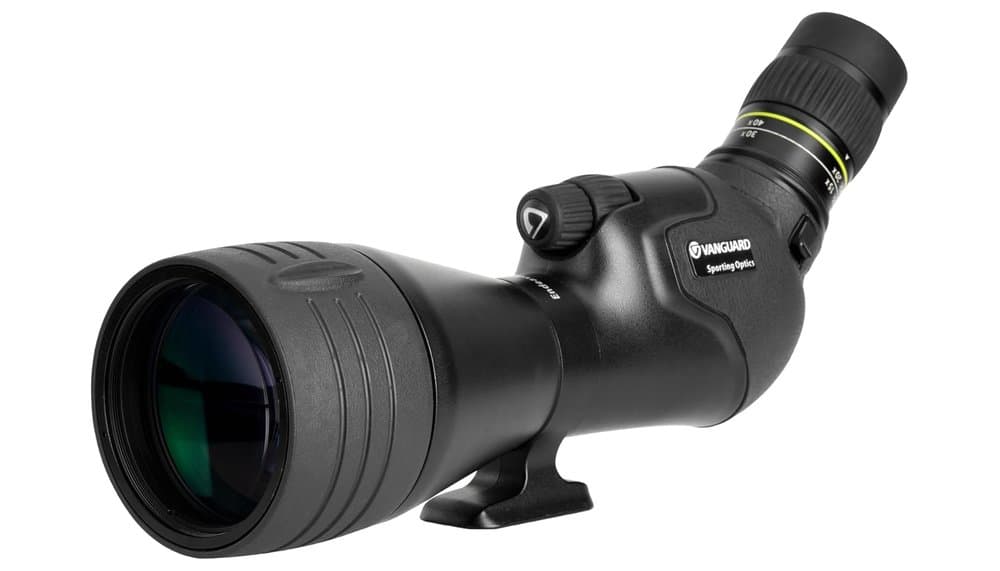
Vanguard Endeavor HD65A Spotting Scope Review
Spotting scope with 65mm ED glass & 15-45x zoom for birding & hiking. Balanced performance & portability for serious nature observers.
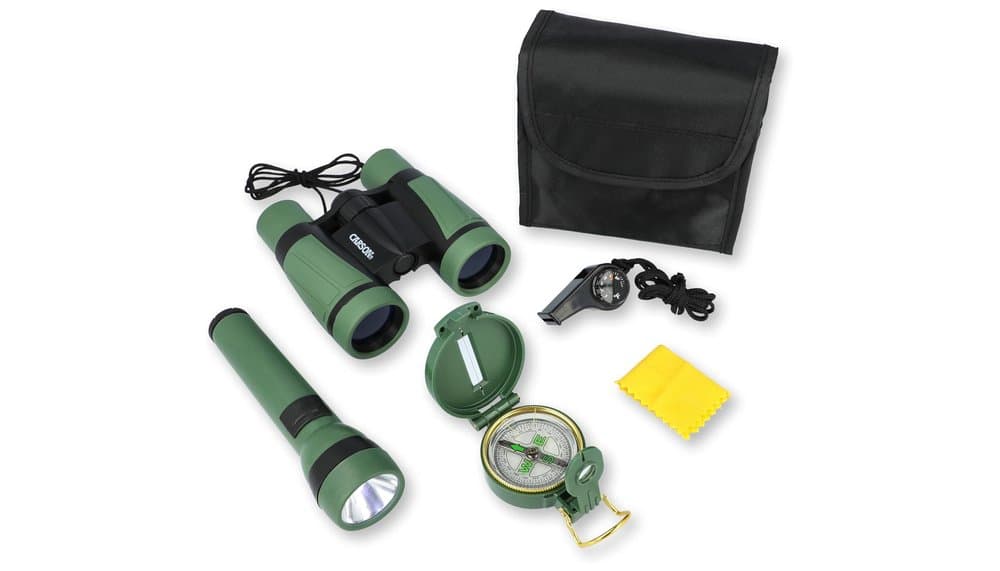
Carson AdventurePak Kids' Exploration Tool Kit Review
Explore nature with this kid's 5-piece tool kit for outdoor adventure and educational discovery. Perfect for young explorers.
Guides you might like

WiFi Trail Camera Guide
See wildlife discreetly from your couch! Learn how WiFi trail cameras let you monitor animals without disturbance and how to choose the right one.
Ultimate Travel Telescope Guide
Choose a portable, high-performance travel telescope to explore the universe from your backpack without compromising on essential astronomical views.
Ultimate Guide to Night Vision Binoculars
Choose the perfect night vision binoculars: Gen vs. digital? Unravel the tech to make your nighttime wildlife adventures a total success. Guide inside.