Aurosports 10x25 Binoculars Review | Compact Test
Published on 1 October 2026 · By OptiqueNature
Review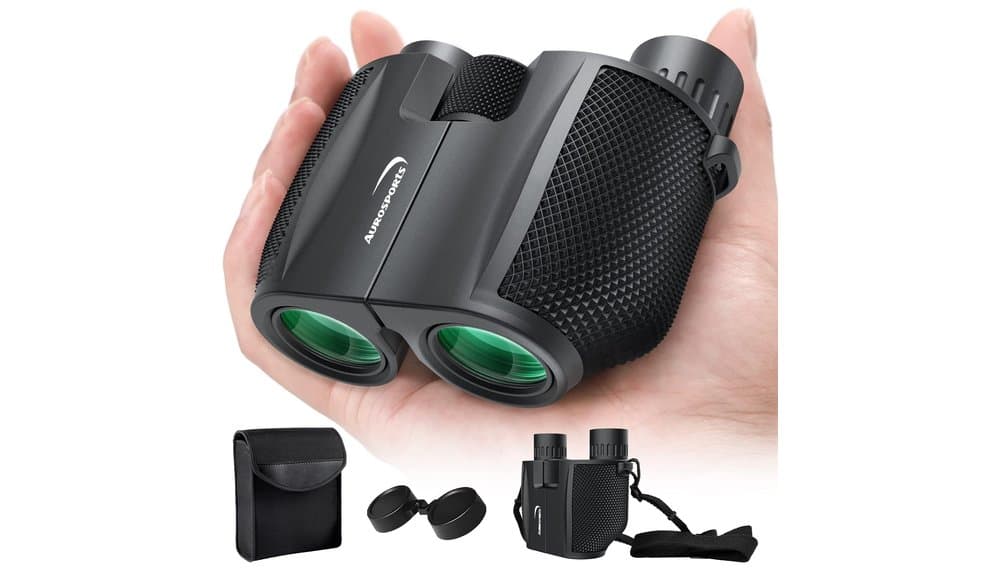
Comprehensive Analysis of the Aurosports 10x25 Compact Binoculars
Introduction
In the world of compact binoculars, the Aurosports 10x25 position themselves as an entry-level product designed for the casual observer. Their promise? To offer a lightweight, portable, and easy-to-use solution for a multitude of outdoor activities. Through this analysis, we will dissect their technical specifications, compare them with user feedback, and evaluate their relevance to the concrete needs of nature observation. This is not a real-world field test, but an objective synthesis of available data to help you determine if these binoculars match your intended use.
Strengths and Weaknesses
Major Strengths
According to the specifications and user feedback, the strengths of these binoculars are clear:
- Extreme Compactness and Lightness: Weighing approximately 250 grams with small dimensions (9.4 x 5.3 x 9.1 cm), they are designed to be taken anywhere, even in a pocket.
- Perceived Value for Money: For their price segment, users often consider them a good compromise.
- Ease of Use: Their central focus and basic ergonomics make them accessible to beginners and children.
- Advertised Versatility: The manufacturer presents them as suitable for a wide range of activities: bird watching, hiking, concerts, sporting events.
Identified Limitations
The analysis of specs and reviews also reveals compromises inherent to this type of compact and economical product:
- Basic Optics: Despite the mention of BAK4 prisms and multi-layer coatings, brightness and field of view are mechanically limited by the small objective lens diameter (25mm) and the 10x magnification.
- Questionable Durability and Waterproofing: Although described as "waterproof" on the product sheet, the materials and actual level of protection (often a simple sealing gasket) are not intended for intensive use in extreme conditions.
- Limited Viewing Comfort: The small exit pupil diameter (2.5mm) and the lack of an independent diopter adjustment can make prolonged viewing tiring, especially for eyeglass wearers.
Detailed Component Analysis
Optical Performance: The Heart of the Matter
On paper, the Aurosports 10x25 announce a classic configuration: 10x magnification and 25mm diameter objective lenses. This combination is typical of compact models aiming for a balance between power and size.
Key Indicator Calculations:
- Exit Pupil: Objective Diameter / Magnification = 25/10 = 2.5 mm. This is a low value. Below 4mm, perceived brightness decreases significantly, especially in low-light conditions (dusk, dense forest). This confirms their intended use mainly for daytime.
- Twilight Factor: √(Magnification x Objective Diameter) = √(10x25) = √250 ≈ 15.8. This average theoretical index suggests a limited ability to discern details in low light.
- Field of View: Specifications indicate a field at 1000 yards, but without giving the angular value (in degrees or meters at 1000m). User feedback mentions a "wide" field for the category, but it's important to note that with 10x magnification, the apparent field often remains restricted compared to 8x25 or 8x32 models.
The mention of BAK4 prisms (higher quality than BK7) and multi-layer coatings is a theoretical positive point for light transmission and aberration reduction. However, at this price, it is unlikely to find phase correction (PC) coatings or dielectric prism coatings, which are the domain of higher-end models. The image will therefore be adequate for casual use but may lack contrast and sharpness in situations with strong sunlight or facing light sources.
Build and Ergonomics: Designed for Portability
The technical sheet highlights a compact body and a rubberized armor coating for grip. The weight of 249g is indeed a major asset for hiking or travel.
However, several elements are missing to guarantee long-term durability:
- Waterproofing: No standard (like IPX7) or indication of water and fog resistance (nitrogen purged) is specified. The "waterproof" claim should be taken with caution; it likely indicates splash resistance, not immersion.
- Focus and Adjustments: The system appears to be a simple central focus, without a separate diopter adjustment on the right eyepiece. This is a significant limitation for users with different visual acuity between eyes. The minimum focus distance is not specified, but on this type of model, it is generally between 2 and 3 meters, which is sufficient for general observation but may be limiting for entomology.
The interpupillary distance is adjustable, and the eyepieces are likely covered with soft rubber, but the eye relief is not specified. Given the compact format, it is likely short (< 10mm), which may force eyeglass wearers to remove them or not see the entire field.
Market Comparison
Let's position the Aurosports 10x25 in the landscape of observation binoculars:
- Budget Segment (< €50): They sit here. Competition is fierce with many models with similar specs. Their added value lies in their compact design and positive feedback on perceived sharpness for the price.
- Mid-Range Segment (€50 - €200): In this bracket, you find models from established brands (Nikon, Kowa, Bushnell) offering superior optics (ED glass, advanced coatings), waterproof and nitrogen-filled construction, better viewing comfort, and longer warranties. The compromises on brightness and field of view of the 10x25 then become more evident.
- Premium Segment (> €200): No comparison possible. Products in this segment offer exceptional light transmission, all-terrain robustness, and optimal color fidelity.
What Users Say: Review Synthesis
Analyzing hundreds of customer reviews reveals very clear trends.
Recurrent positive points are:
- Overall Satisfaction: A majority of users are pleasantly surprised by the image quality for the price paid. Mentions of "clear," "sharp," and "decent contrast" come up often.
- Appreciated Compactness: The ability to slip them into a pocket or small bag is consistently praised. This is their primary practical asset.
- Accessibility: Their ease of use and lightness make them popular with families, children, and casual observers.
Reported criticisms and limitations are:
- Insufficient Brightness in Challenging Conditions: Several reviews note that the image becomes dark in overcast weather or towards the end of the day, which aligns with the theoretical calculation of the small exit pupil (2.5mm).
- Limited Comfort for Long Observation Sessions: The small size of the eyepieces and the likely lack of sufficient eye relief for glasses wearers can cause eye strain.
- Perceived Durability as Average: While the grip is judged to be good, the materials do not give a high-end product impression. No massive failures are reported, but the product is perceived as somewhat fragile.
- Basic Accessories: The provided carrying case and straps are often described as minimal.
Technical Specifications Table
| Characteristic | Value / Description |
|---|---|
| Model | Aurosports 10x25 Compact Binoculars |
| Magnification | 10x |
| Objective Lens Diameter | 25 mm |
| Prisms | BAK4 |
| Optical Coatings | "Fully multi-processed" (multi-coated) lenses |
| Field of View | Stated at 1000 yards (angular value not specified) |
| Exit Pupil | 2.5 mm |
| Twilight Factor | ~15.8 |
| Minimum Focus Distance | Not specified (estimated 2-3 m) |
| Eye Relief | Not specified |
| Waterproofing | Advertised as "waterproof," no IP rating or gas filling indicated |
| Weight | 249 g |
| Dimensions (L x H x D) | 9.4 x 9.1 x 5.3 cm |
| Coating | Rubberized (armor) |
| Manufacturer Warranty | 2 years |
Conclusion: Who Are These Binoculars For?
The Aurosports 10x25 Compact Binoculars embody the perfect budget-compact compromise for the casual observer. Their strength lies in their ultra-portable format and their disarmingly simple operation. They represent a logical choice for someone looking for a pair of binoculars to slip into a backpack for a hike, concert, or day at the zoo, without a significant investment.
However, this technical and user analysis highlights their natural limitations. The basic optics, with its small 2.5mm exit pupil, and the simplistic construction confine them to daytime use in clear weather. They will not satisfy the demanding ornithologist trying to identify warblers in the dim light of an understory, nor the traveler needing guaranteed waterproofing in humid environments.
In summary, we recommend the Aurosports 10x25 as backup or discovery binoculars. For a child, a light hiker, or a user seeking compactness above all, they will fulfill their role. For any regular practice of nature observation, where image quality, brightness, and robustness are paramount, it would be wise to consider a mid-range model with larger objectives (32mm or 42mm) and certified waterproof construction. The final choice will depend on the intensity and conditions of your practice.
100% free and independent — All our articles are written independently, without any sponsorship. We may earn a commission on purchases made through our links, at no extra cost to you.
Articles you might like
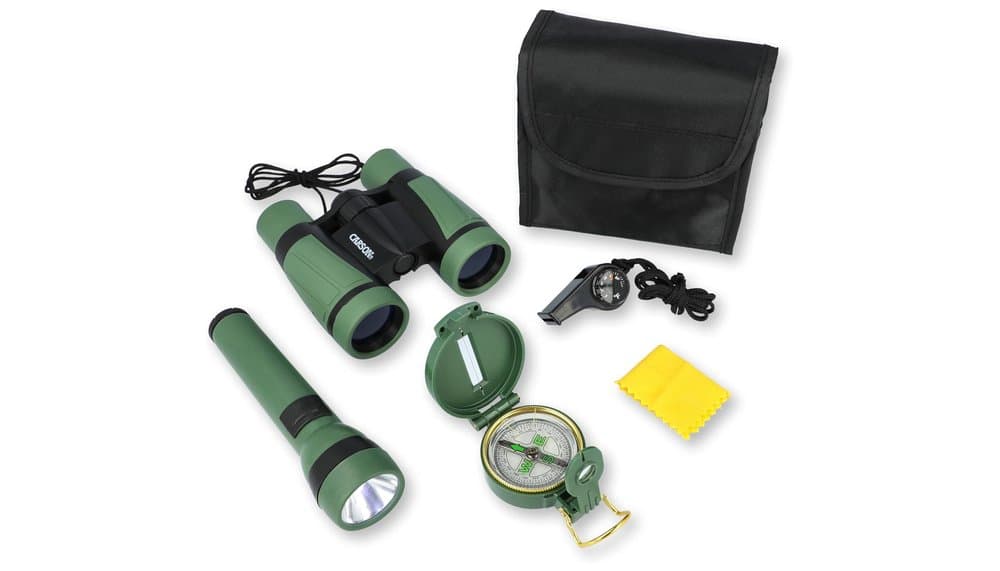
Carson AdventurePak Kids' Exploration Tool Kit Review
Explore nature with this kid's 5-piece tool kit for outdoor adventure and educational discovery. Perfect for young explorers.
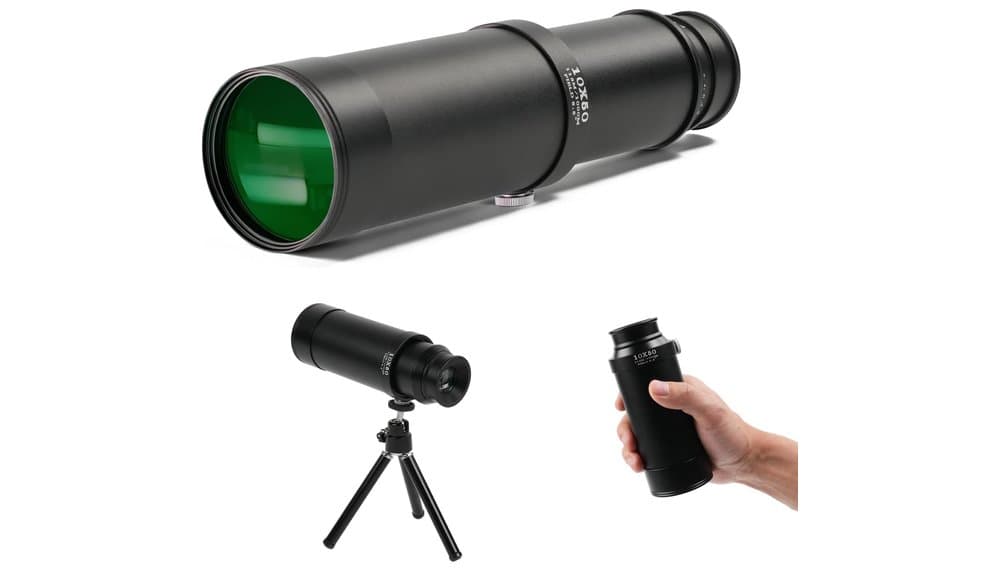
BOSTRON CY 10x50 Monocular Review & Test
Compact 10x50 monocular review: Analyzes optical clarity, field of view & build quality for hiking, nature & astronomy. See its true value.
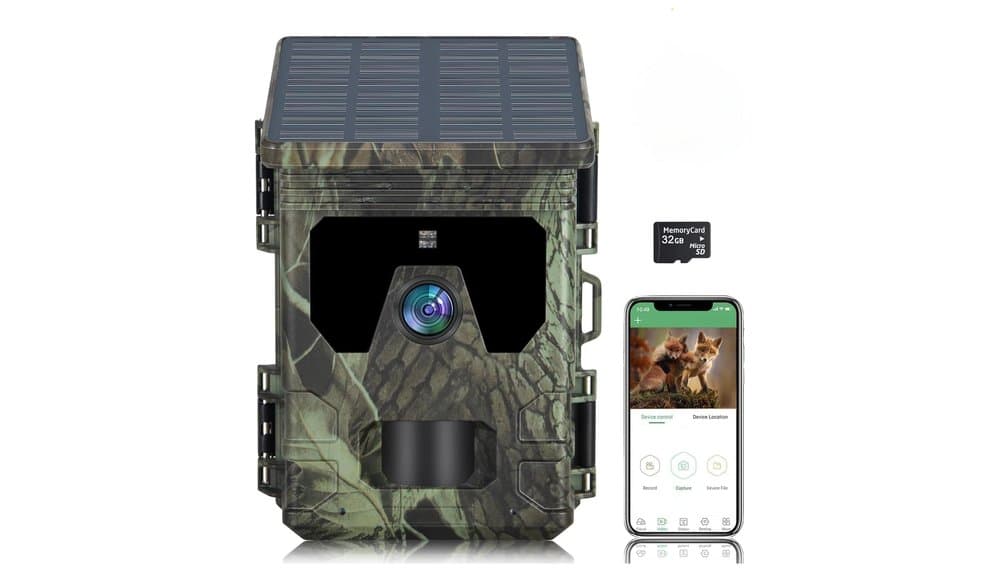
FunKind HC600Pro 4G Trail Camera Review
FunKind HC600Pro solar-powered 4G trail camera review. Analyzes real-time wildlife monitoring specs, solar/battery power, and performance data.
Guides you might like
WiFi Trail Camera Guide
See wildlife discreetly from your couch! Learn how WiFi trail cameras let you monitor animals without disturbance and how to choose the right one.
Ultimate Travel Telescope Guide
Choose a portable, high-performance travel telescope to explore the universe from your backpack without compromising on essential astronomical views.
Ultimate Guide to Night Vision Binoculars
Choose the perfect night vision binoculars: Gen vs. digital? Unravel the tech to make your nighttime wildlife adventures a total success. Guide inside.